Community Development & Poverty Reduction

OUR MISSION IN ACTION

COMMUNITY DEVELOPMENT & POVERTY REDUCTION

Stronger communities. Greater opportunity. Lasting change.

We work alongside local people and partners to address the barriers that keep families in poverty and strengthen the resources, skills and confidence communities need to thrive.

BUILD LASTING CHANGE / WHAT WE DO

A future shaped by communities themselves

Poverty is more than low income: it can mean insecure work, missed learning, poor access to care and little voice in local decisions. Rescue Mission combines practical livelihoods support with community-led partnerships, so families can gain greater security and plan for the future.

01

Create opportunity

Developing livelihoods, enterprise and employable skills so families can build more stable income.

02

Strengthen the essentials

Supporting safe water, learning, community facilities and other foundations for wellbeing.

03

Build local ownership

Helping people lead decisions, protect progress and respond to future challenges.

02 / BUILD LASTING CHANGE • COMMUNITY DEVELOPMENT

Why community development matters

A lasting response tackles today’s household pressures while expanding skills, resources and community choices for tomorrow.

Insecure incomes

Irregular work, weak market links and rising input costs make it harder for families to save, plan ahead or withstand shocks.

INCOME AND MARKET ACCESS

Barriers to opportunity

Young people and caregivers can be excluded from training, affordable tools, mentors and routes into decent livelihoods.

SKILLS AND PRODUCTIVE ASSETS

Decisions made without people

Projects are less durable when residents, women and people with disabilities cannot shape priorities or hold decisions accountable.

PARTICIPATION AND LOCAL LEADERSHIP

A future shaped by communities themselves

FROM SHORT-TERM PRESSURE

Families may face lost harvests, irregular earnings, inaccessible services and few safe routes into employment.

TO LONGER-TERM POSSIBILITY

Relevant skills, stronger local systems, shared resources and community-led decisions can open pathways to resilience.  |  DONATE NOW ›   GET INVOLVED ›

03 / BUILD LASTING CHANGE • COMMUNITY DEVELOPMENT

Livelihoods, skills & economic security

Supporting people to build useful skills, fair access to markets and more dependable livelihoods.

PATHWAYS TO SELF-RELIANCE

People need more than a one-off opportunity. They need the tools to make it work.

Rescue Mission describes community enterprise, vocational training, agricultural production and income-generating work. Combining these with practical coaching, accessible finance and links to buyers can help households move from one-off help towards lasting opportunity.

  • Skills with a purpose

Match training to local demand, supported practice and realistic routes into work.

  • Tools and productive resources

Provide suitable tools, materials or inputs, with fair selection and a plan to maintain them.

  • Market and financial confidence

Build confidence with savings, pricing, customer needs, record-keeping and market access.

Three connected routes to stronger livelihoods

01

Women-led enterprise

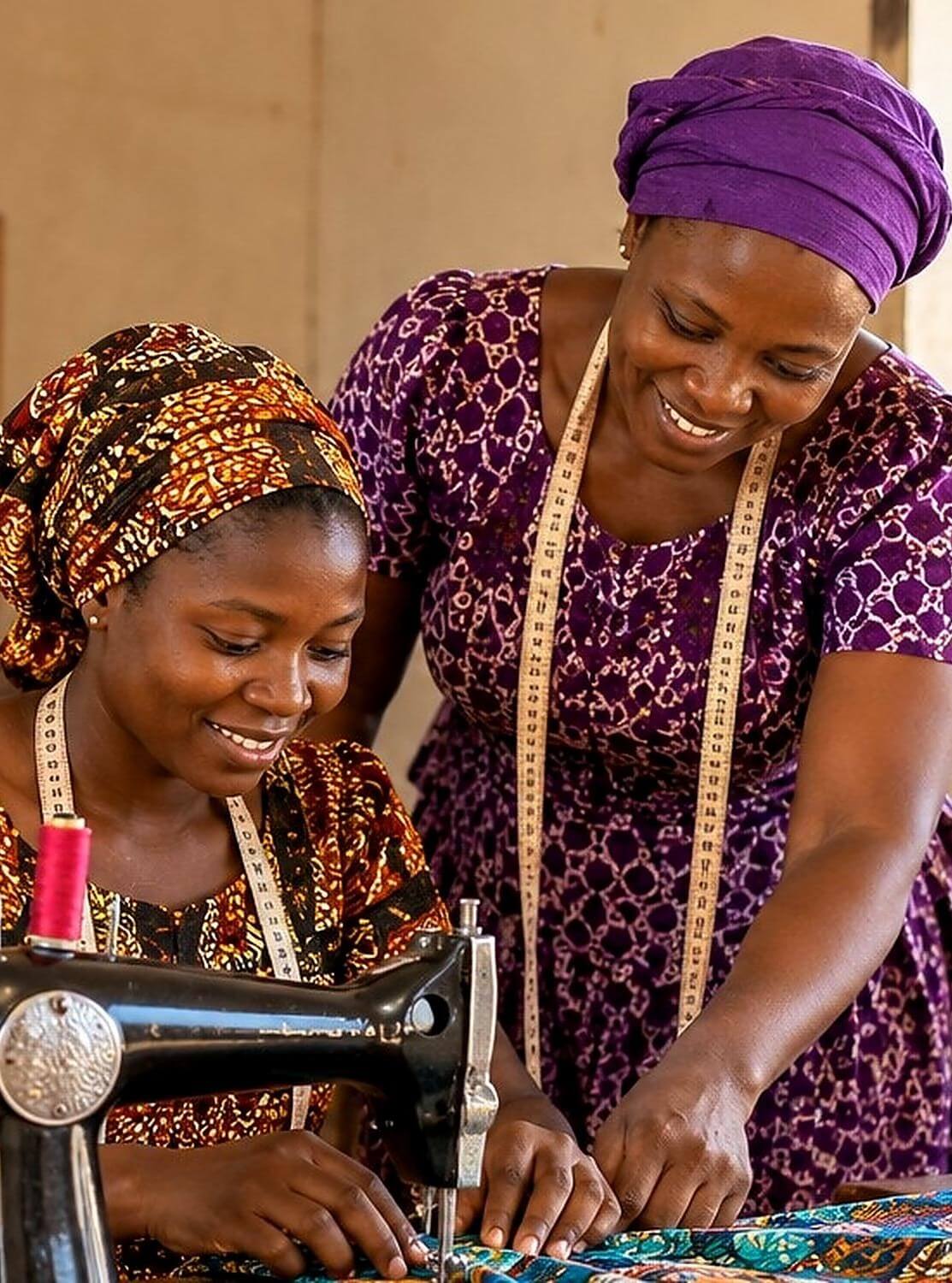
Encouraging women’s voice, safe participation, practical enterprise skills and the ability to make financial decisions.

02

Youth skills & work

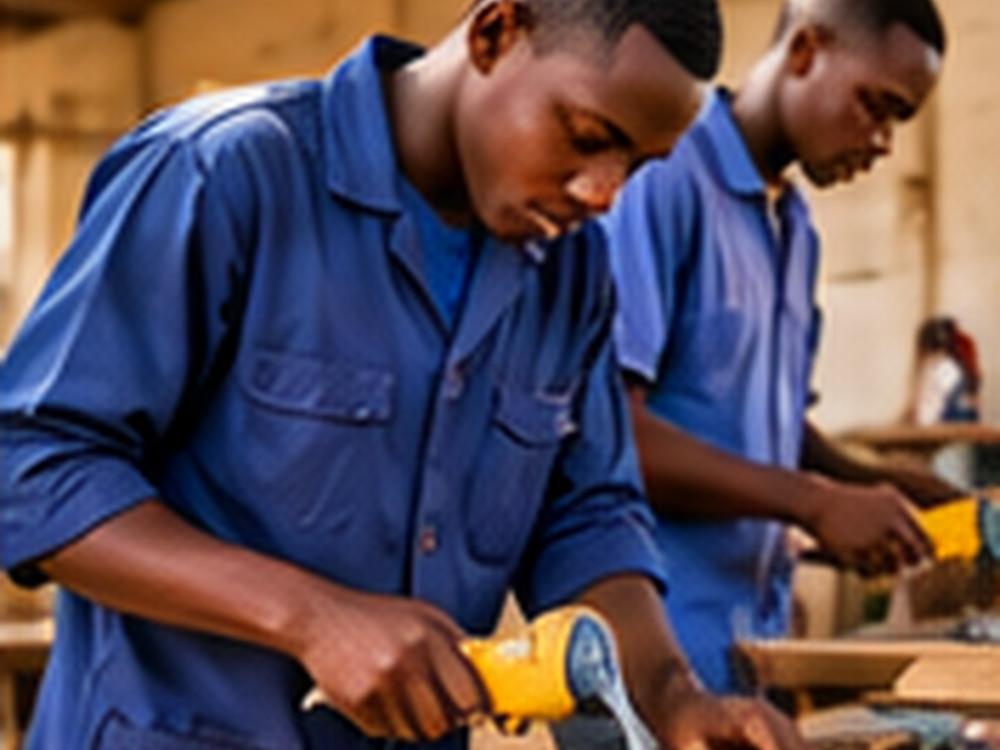
Supporting vocational pathways, apprenticeships, employability and positive routes into adult life.

03

Sustainable farming

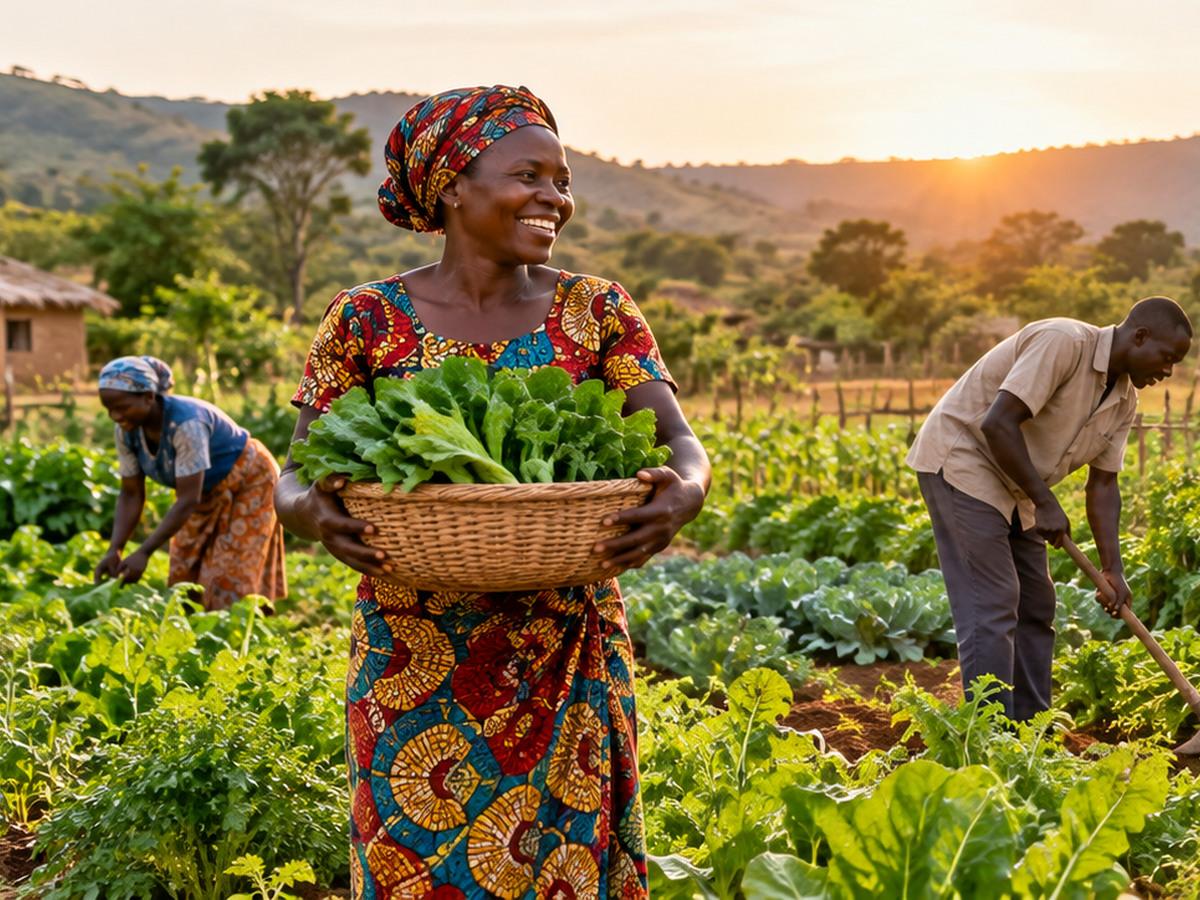
Strengthening production, climate-aware choices, nutrition and connections between growers and local markets. 

|  DONATE NOW ›   GET INVOLVED ›

04 / BUILD LASTING CHANGE • COMMUNITY DEVELOPMENT

Community essentials that unlock opportunity

Better everyday services protect health, free up time and make participation in learning and livelihoods possible.

Water, sanitation & health

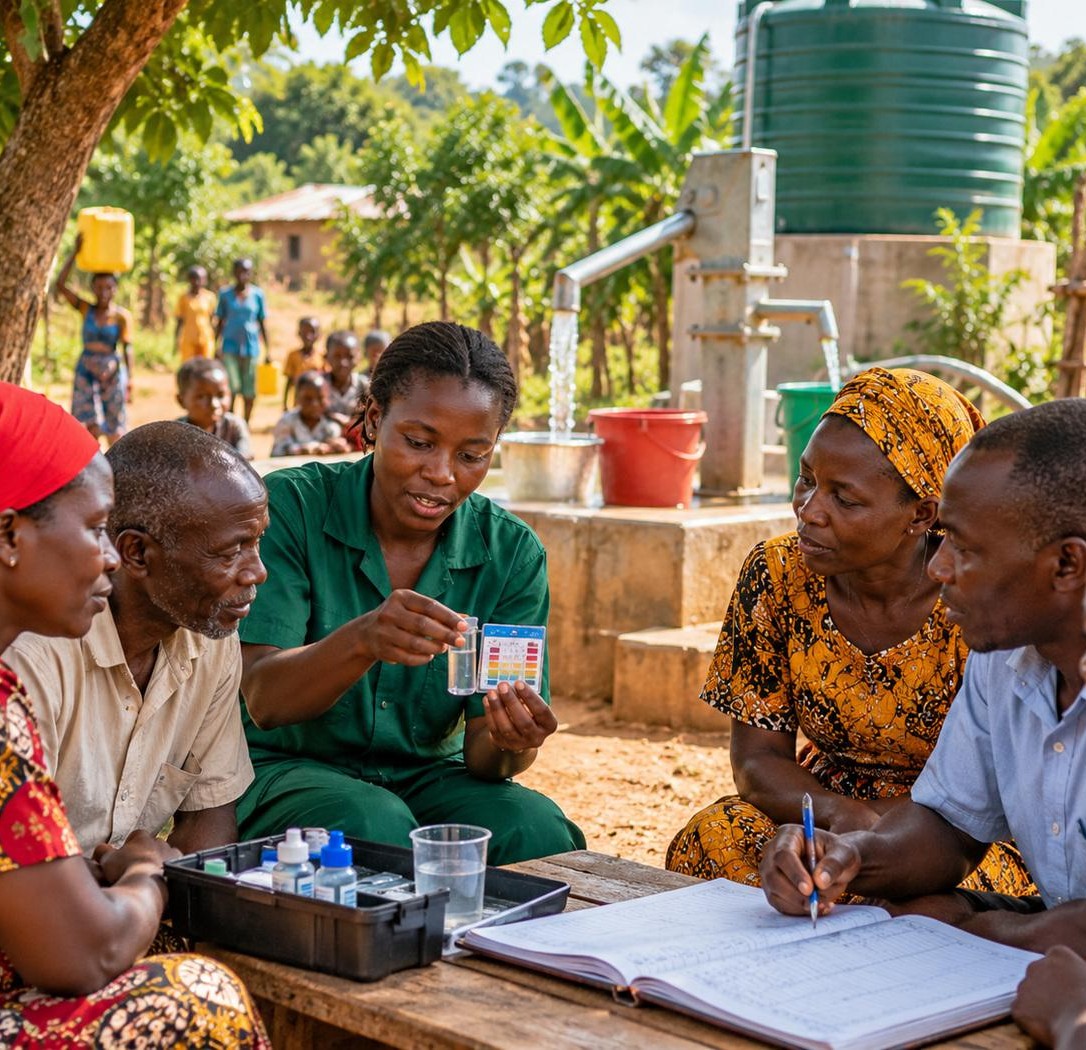
Safe, reliable water and good hygiene reduce avoidable health risks and can lessen time spent collecting water.

Community stewardship and maintenance matter as much as installation.

Learning & practical skills

Education, adult learning and training create choices for young people and help strengthen local economies.

Accessible training should connect to opportunities people can use.

Community service hubs

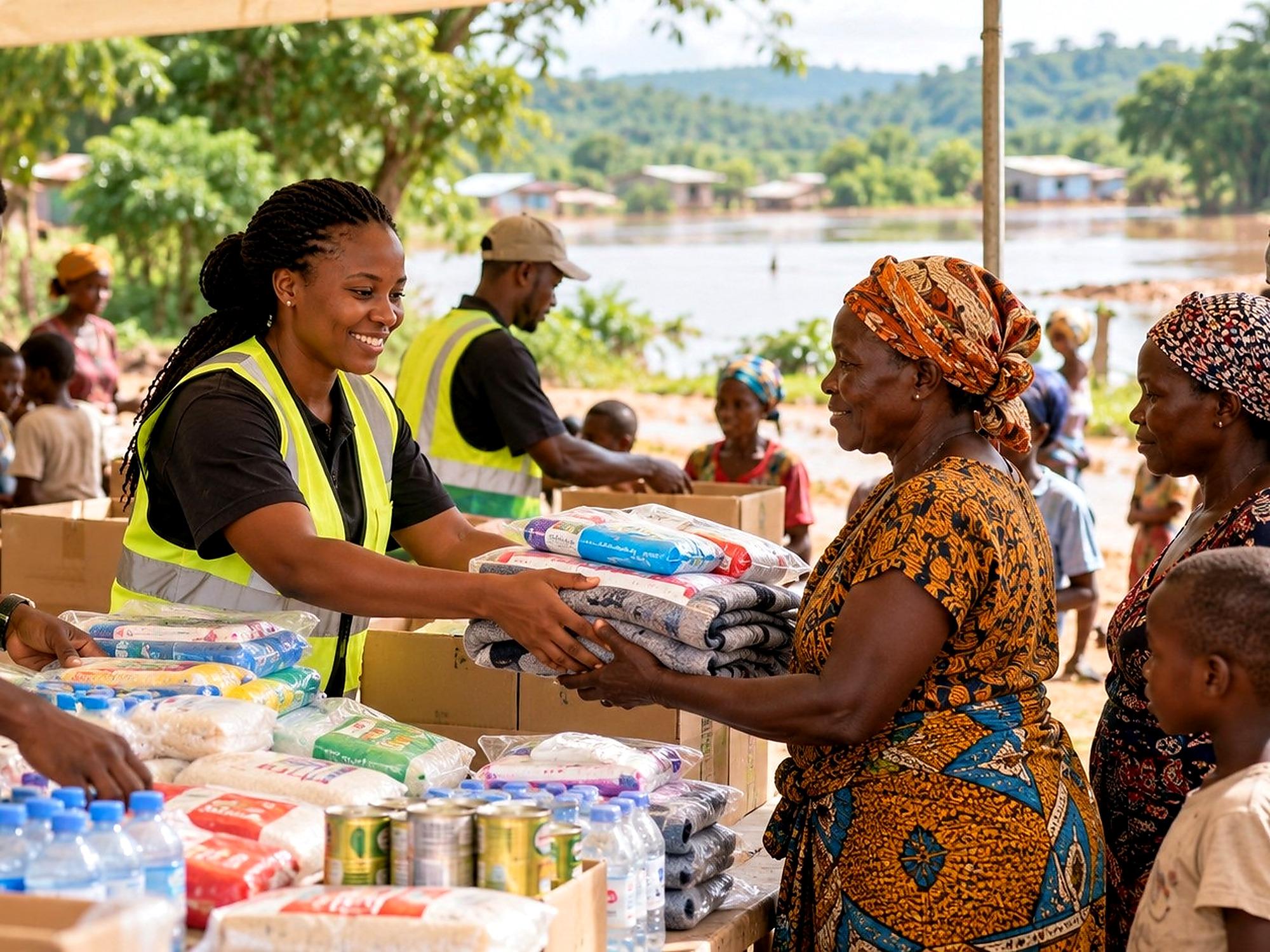
Trusted spaces, distribution points and local groups help families connect with information, supplies and support.

Community management, inclusion and open feedback keep services relevant.

Our planning questions are simple, but important

REACH

Who can access it?

Check affordability, disability inclusion, safety, cultural relevance and the needs of people living furthest from services.

OWNERSHIP

Who will sustain it?

Agree local responsibilities, skills, future running costs and maintenance before a project becomes dependent on outside support.

CONNECTION

What will it enable?

Look beyond the physical asset to the opportunities, time savings, wellbeing and participation it can make possible.  |  DONATE NOW ›   GET INVOLVED ›

05 / BUILD LASTING CHANGE • COMMUNITY DEVELOPMENT

Local leadership, resilience & inclusion

Good development is shaped, owned and safeguarded by the people who use it – including those too often excluded.

COMMUNITY-LED BY DESIGN

Listen to lived experience. Share decisions. Make progress sustainable.

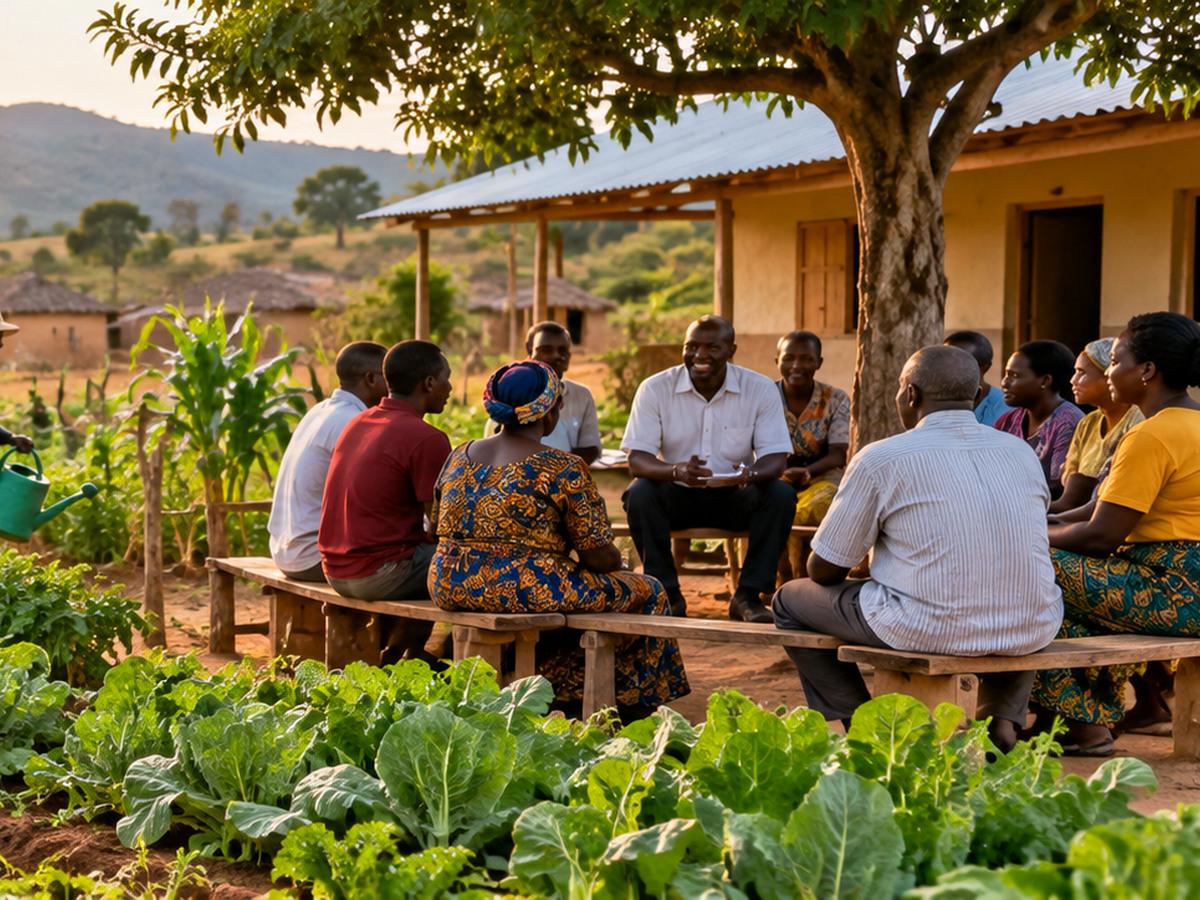
Good projects begin with listening: what residents value, who faces the greatest barriers and which local strengths already exist. Women, young people, people with disabilities and marginalised households need safe, practical ways to influence plans, access services and raise concerns.

Rescue Mission describes working with local leaders and community-based organisations. Shared decisions, clear safeguarding, feedback and local skills transfer help ownership continue long after start-up support has ended.

How we build ownership at every stage

01

LISTEN

Map local priorities and the challenges people identify.

02

CO-DESIGN

Agree fair, realistic plans, roles and protection measures.

03

DELIVER

Work with capable partners and community representatives.

04

SUSTAIN

Review learning, build local skills and plan for continuity.

06 / BUILD LASTING CHANGE • COMMUNITY DEVELOPMENT

Case studies: practical examples of change

Three evidence-informed programme spotlights adapted from Rescue Mission’s published descriptions; outcomes and numbers should be checked before publication.   |   DONATE NOW ›   GET INVOLVED ›

CASE STUDY 01 • GHANA

Supporting young farmers

Rescue Mission’s food and nutrition webpage reports support for 2,750 young farmers in Ghana through training, seeds and agricultural tools. The aim is stronger food production and household food security. Responsible follow-up should examine how skills, yields and market opportunities change over time.

HOW CHANGE CAN HAPPEN • Skills + productive inputs + better farming practice + follow-up.

CASE STUDY 02 • LIVELIHOODS

Women building economic choices

Rescue Mission describes income-generating work for women in Ghana and Senegal, including food-processing machines and locally produced nutritious products. Training, collaboration, safe working conditions and links to buyers can help turn a livelihood activity into more reliable household choices.

HOW CHANGE CAN HAPPEN • Production tools + group support + financial skills + market access.

CASE STUDY 03 • SAFE WATER

Water for Life and local resilience

Rescue Mission’s Water for Life approach describes collaboration with local partners on wells, rainwater collection and protected sources. Reliable services also need trained operators, affordable maintenance and safe access for women, girls, older people and disabled residents.

HOW CHANGE CAN HAPPEN • Safe source + local management + repairs + hygiene practice.

07 / BUILD LASTING CHANGE • COMMUNITY DEVELOPMENT

Measuring what matters — and being accountable

A meaningful result is a practical improvement in household opportunity, service access or local decision-making.

THE OUTCOMES WE WANT TO UNDERSTAND

Are households safer, better connected and more able to shape their futures?

Monitor change, not activity alone: agree a starting point with residents, gather safe and proportionate feedback, and review whether different groups benefit. Record lessons openly and revise support when barriers persist.

•  Economic opportunity

Training put to use; income pathways and livelihoods maintained; household resilience.

•  Access to essentials

Reliability and accessibility of services; time saved; barriers reduced.

•  Local capacity

Residents shaping decisions; local groups active; shared assets maintained.

A simple, transparent approach to evidence

01 • BASELINE

Understand the starting point

Agree with participants what the current needs, barriers and realistic expectations are before delivery.

02 • PROGRESS

Track quality as well as reach

Combine activity records, participant experience and appropriate follow-up checks; do not rely on attendance alone.

03 • LEARNING

Share findings and adapt

Review results with communities, hear complaints safely and improve projects where evidence shows a better route.

08 / BUILD LASTING CHANGE • COMMUNITY DEVELOPMENT

Be part of lasting community change

Your donation, partnership, volunteering or fundraising can help communities build the conditions for long-term opportunity.

Make a donation

Contribute to community-focused work according to current programmes and priorities.

Partner with us

Explore a corporate, institutional or community partnership around clear shared goals.

WAYS TO GET INVOLVED

Volunteer or fundraise

Use time, skills, events and networks to strengthen awareness and support.

Share our mission

Encourage others to learn about community development and poverty reduction.

HOW CHANGE CAN HAPPEN • Safe source + local management + repairs + hygiene practice.

HELP BUILD A FUTURE BEYOND POVERTY

Give a one-off or regular gift, join a community fundraiser or explore a purposeful partnership.