Rebuilding lives and preparing for the next emergency.
Rescue Mission’s emergency approach emphasises staying engaged after the immediate crisis, supporting livelihoods and community infrastructure and helping people prepare for future shocks.
Even after the floodwater falls or fighting subsides, people may face damaged homes, disrupted incomes and weakened local services. Recovery can take much longer than immediate relief.
Rescue Mission’s published emergency approach combines timely relief with preparation and longer-term recovery. The emphasis is on understanding conditions locally and supporting communities to regain stability.
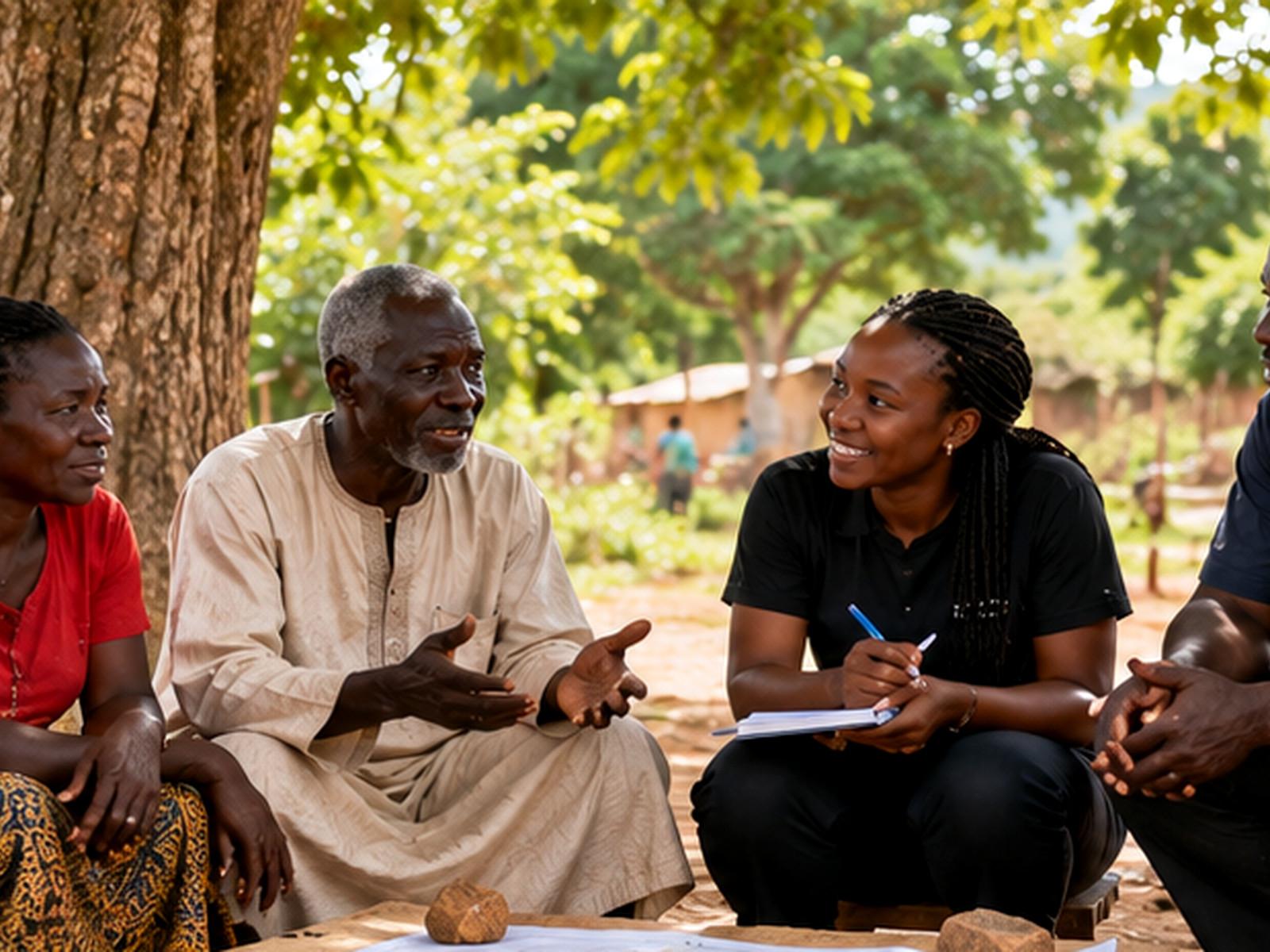
The right support depends on the crisis, access conditions and what affected communities identify as priorities.
The transition from emergency assistance to recovery should follow community priorities. A damaged water supply or lost livelihood may remain a pressing concern after temporary distributions finish.
Recovery work depends on practical planning with local groups, appropriate skills and support that can be maintained by people living in the area.
Priorities should be reviewed as the emergency evolves. Practical help is most useful when it reaches the right people, at the right time, in a safe and dignified way.
Emergency needs overlap. A useful response connects practical assistance to the longer-term conditions people face.
• Keep local needs and safe access at the centre of planning.
• Recognise that risks can change after the initial disaster or displacement.
• Link immediate essential support to recovery, dignity and preparedness.
A community moves from temporary water provision to repairing shared facilities and restoring livelihoods. Local leaders help prioritise what can be repaired first and how future flooding risks can be reduced. This is an illustrative recovery pathway, not a verified Rescue Mission outcome.
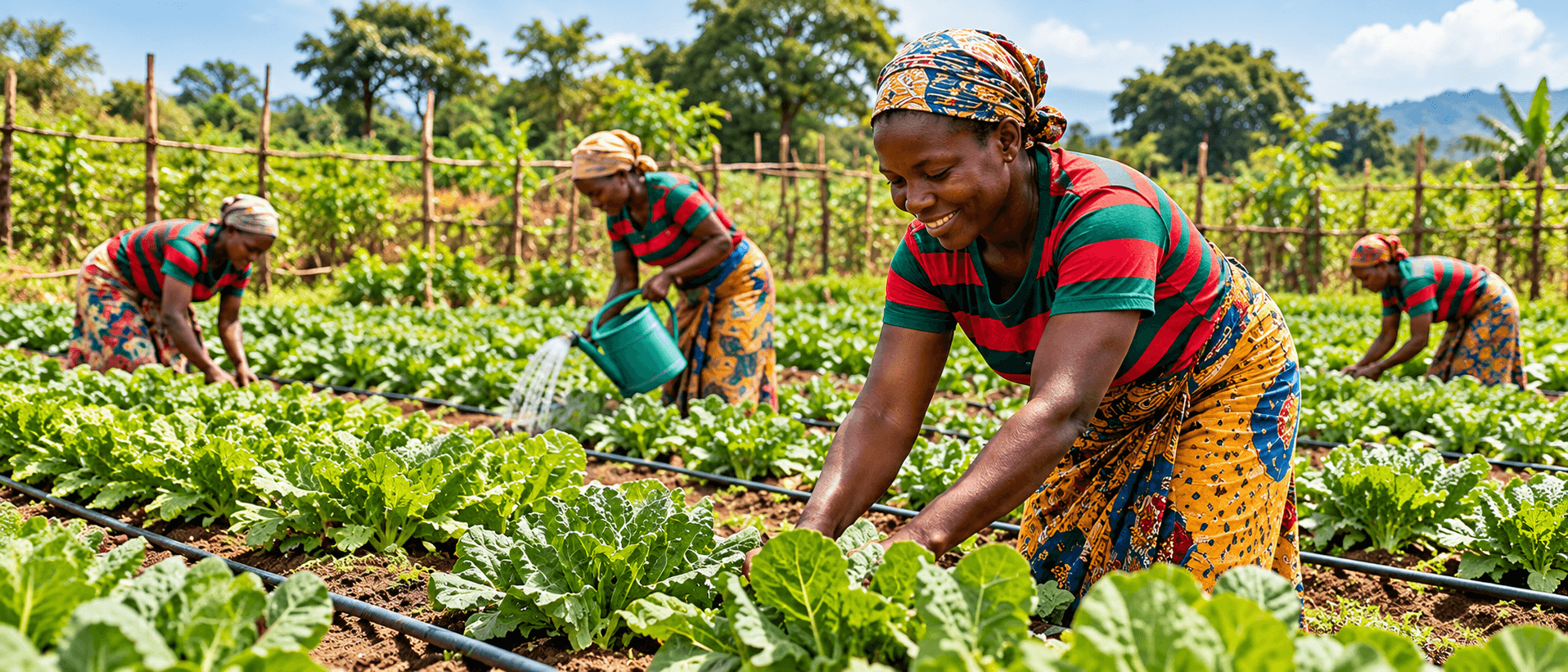
ILLUSTRATIVE SCENARIO: REBUILDING AFTER A STORM
A community moves from temporary water provision to repairing shared facilities and restoring livelihoods. Local leaders help prioritise what can be repaired first and how future flooding risks can be reduced. This is an illustrative recovery pathway, not a verified Rescue Mission outcome.
The source names crises and describes needs. This concept page does not invent an individual’s identity, a first-person testimonial or unverified figures for Rescue Mission projects.
Working with local people helps define what is needed, how support should reach communities and what recovery should look like.
Community ownership is vital: solutions need to reflect the people who will use and maintain them. Rescue Mission’s own page highlights local decision-making and training.
Listening, coordination and informed decisions help make aid more practical and respectful.
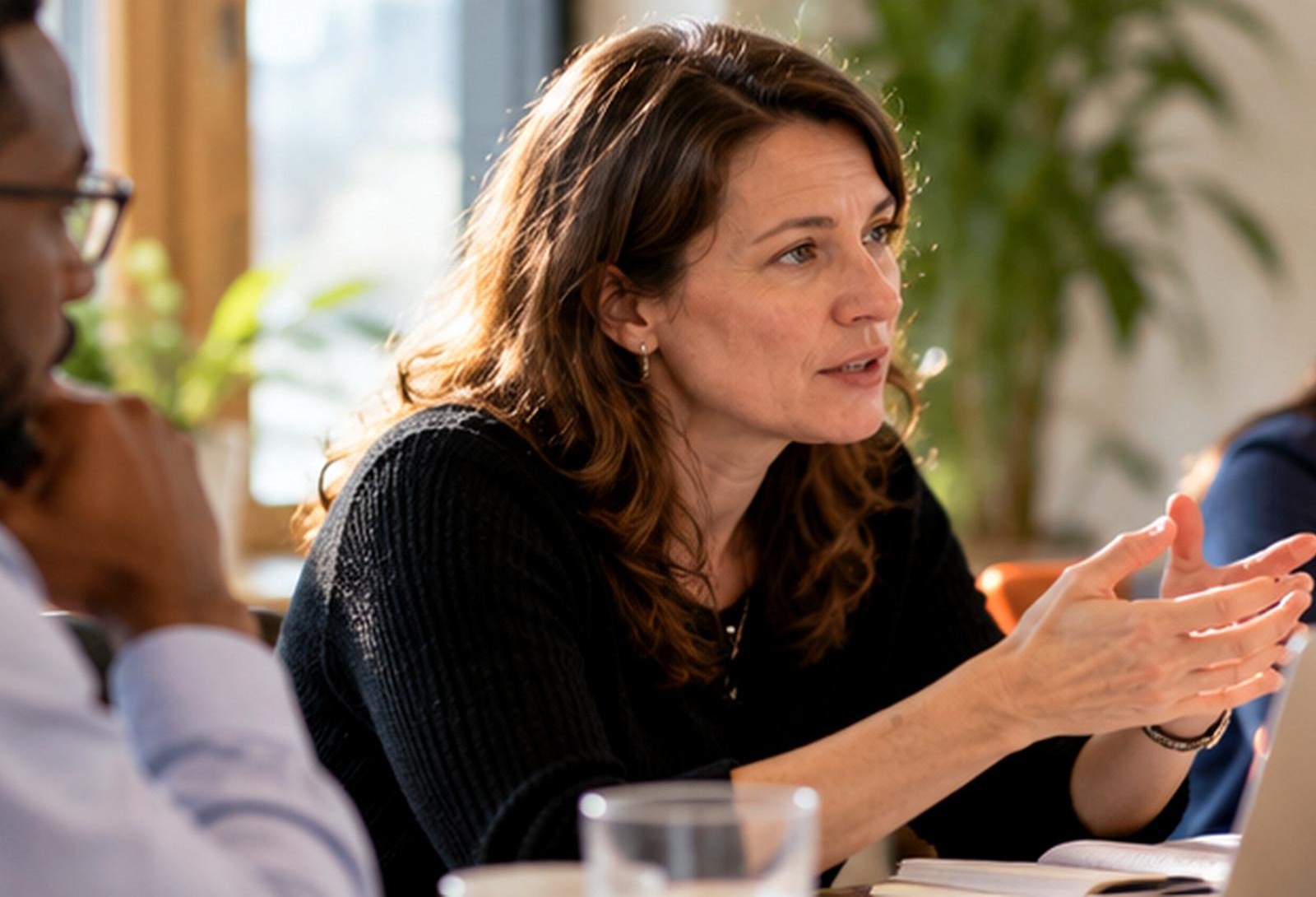
Rescue Mission describes training local staff and community members in disaster preparedness, along with local-led decisions during response and recovery.
A stronger future is one in which communities can respond more effectively, recover more quickly and preserve more of what they have rebuilt.
The work of rebuilding may involve livelihood support, safer services, local planning and disaster risk reduction. Rescue Mission’s published material places this continuing work alongside the first emergency response.
Support recovery that goes beyond immediate relief and strengthens communities.
Bringing Hope, Protecting Children and Building Stronger Communities.
Rescue Mission is a registered company limited by guarantee (Company No. 10413275) Registered Charity No. 1196944 (England & Wales) 20-22 Wenlock Road, London, N1 7GU, England, United Kingdom
