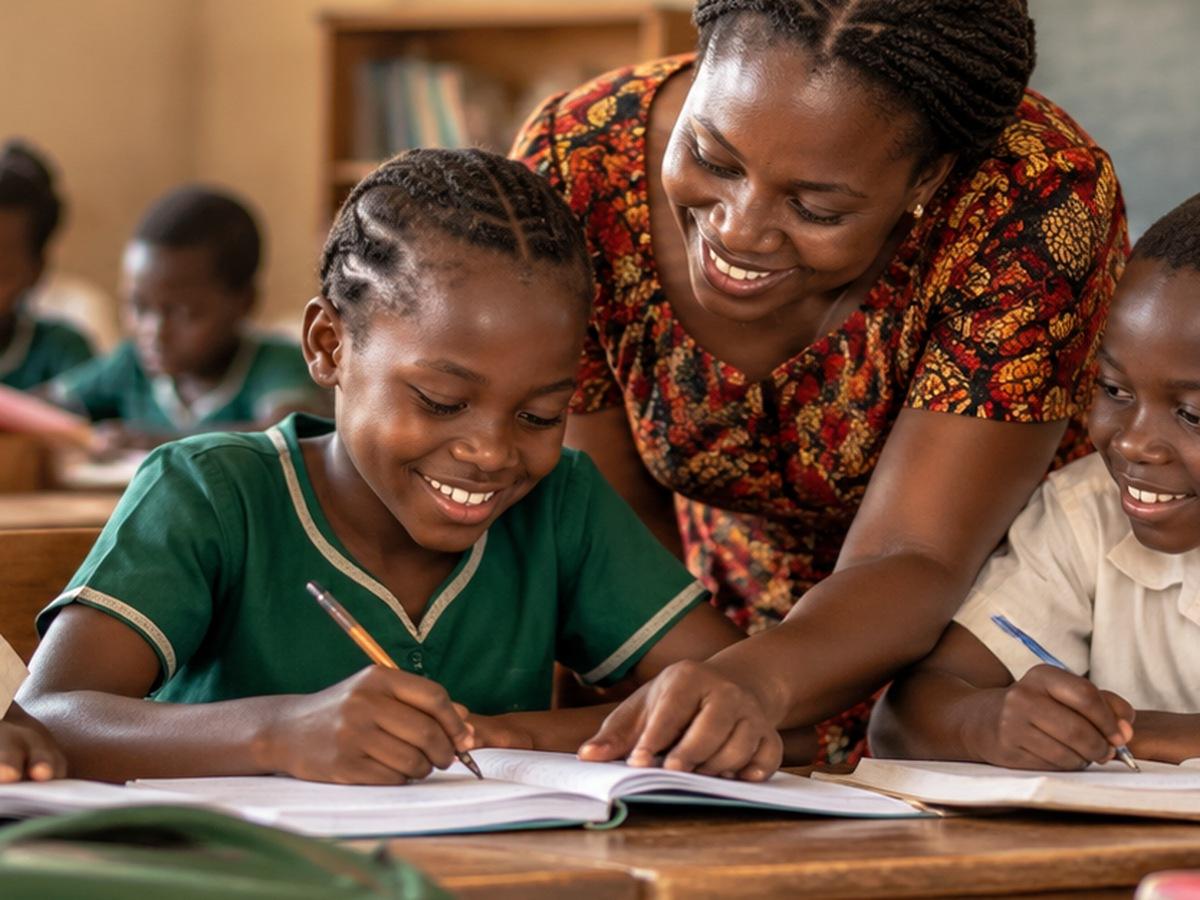
Education opens doors. Opportunity changes lives.

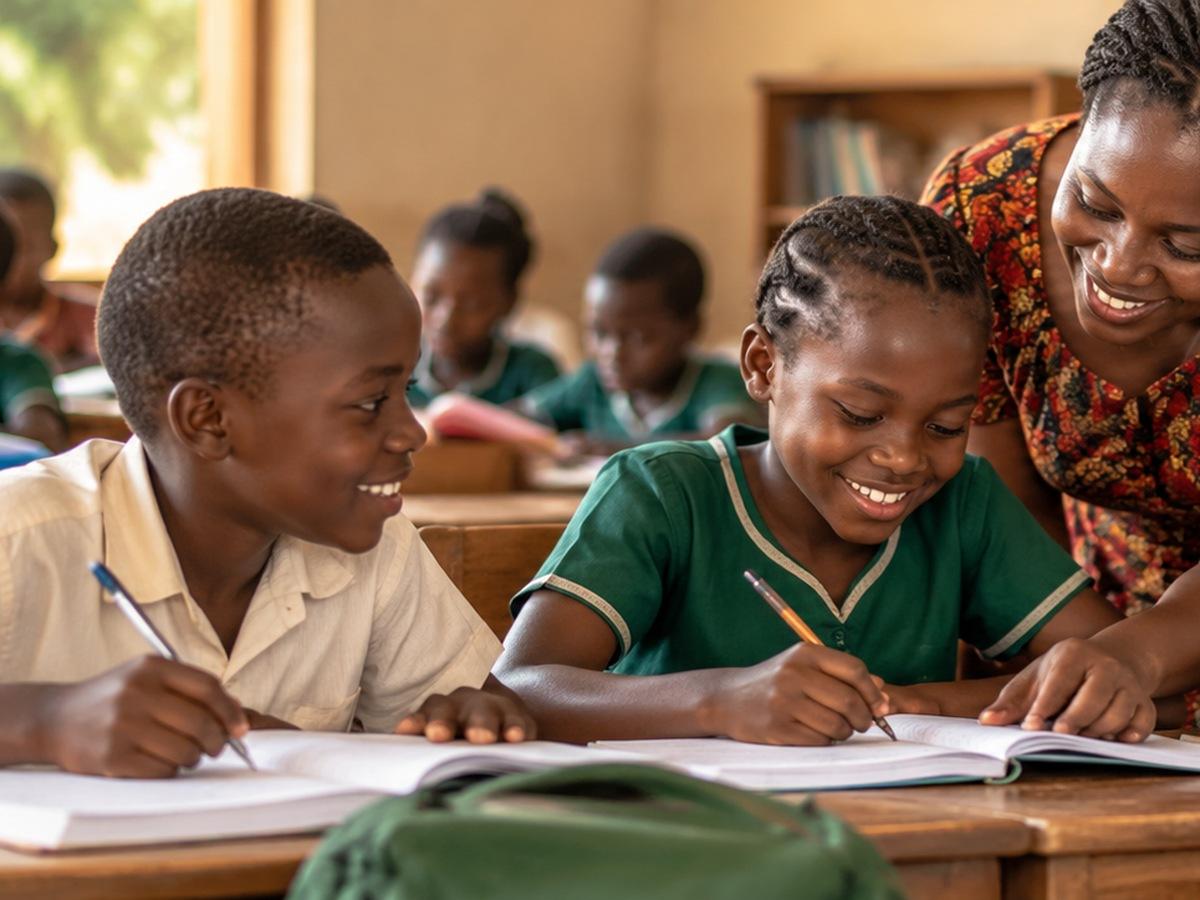
Every child deserves the chance to learn safely, grow in confidence and prepare for a better future. Rescue Mission aims to reduce barriers to education and connect children, families and communities with practical opportunities to thrive.

EVERY DAY OF LEARNING COUNTS

From access to achievement

When children can attend school consistently, they have greater opportunities to develop literacy, numeracy, friendships, self-belief and practical skills. Education can also help young people recognise their rights, speak up and make informed choices.

Girls, children with disabilities and families affected by poverty or displacement can face additional obstacles. Our approach looks at the whole learning journey — entry, safety, inclusion, progress and transition.

BARRIERS WE WANT TO REMOVE

01 / COST & ACCESS

Making school possible

Books, uniforms, transport and suitable learning spaces can determine whether children can attend.

02 / SAFETY & INCLUSION

Helping learners feel safe

Safeguarding, accessible environments and dignity are essential to meaningful participation.

03 / LEARNING SUPPORT

Keeping progress on track

Teaching materials, mentoring and family engagement help children stay connected to learning.

OUR PURPOSE   Support education that is accessible, inclusive and relevant to the needs of each community.

Practical help today. Lasting opportunity tomorrow.

Rescue Mission’s education themes combine school access, learning resources, mentoring and the skills needed for the future.

01 / EDUCATION FOR EVERY CHILD

School access & retention

Helping children enrol, attend consistently and overcome everyday barriers to learning.

02 / BETTER LEARNING SUPPORT

Teaching & mentoring

Supporting educators and volunteers with materials, encouragement and practical resources.

03 / SKILLS FOR TOMORROW

Digital confidence

Creating pathways to safe, relevant technology use and future-ready learning.

04 / A SAFE SPACE

Safer environments

Child-friendly classrooms, suitable sanitation and protected routes to learning.

05 / A FAIR CHANCE

Girls’ education

Removing obstacles to participation and continued attendance for girls and young women.

06 / SUPPORT TO GROW

Learning materials

Books, school bags, stationery and learning equipment suited to local needs.

CONNECTED SUPPORT   Education works best when schools, families, local partners and young people shape the solution together.

Safe, inclusive learning gives every child a fairer chance

Access means more than a school place. Children need to feel respected, protected, welcomed and able to participate.

KEEPING GIRLS LEARNING

Listen to children. Remove barriers. Protect dignity.

Girls may miss school when learning costs are unaffordable, sanitation is inadequate, travel feels unsafe or caring responsibilities take priority. Girls with disabilities may face further exclusion. Families and teachers should be central to deciding what support will help.

A safeguarding-led approach seeks age-appropriate participation, safe reporting routes, respectful treatment, disability inclusion and careful handling of personal information and photographs.

THREE COMMITMENTS IN EVERY LEARNING SETTING

PROTECT

Safe to attend

Promote welcoming spaces and appropriate safeguarding arrangements.

INCLUDE

Able to participate

Consider girls, disabled learners and children facing disadvantage.

EMPOWER

Free to progress

Encourage ambition, self-belief and meaningful opportunities to learn.

EDUCATION WITH DIGNITY   The strongest programmes combine practical access with protection and children’s participation.

What meaningful education support can look like

The two scenarios below are illustrative examples, not verified accounts of named Rescue Mission beneficiaries.

01 / CHILD AND FAMILY SUPPORT  |  ILLUSTRATIVE SCENARIO

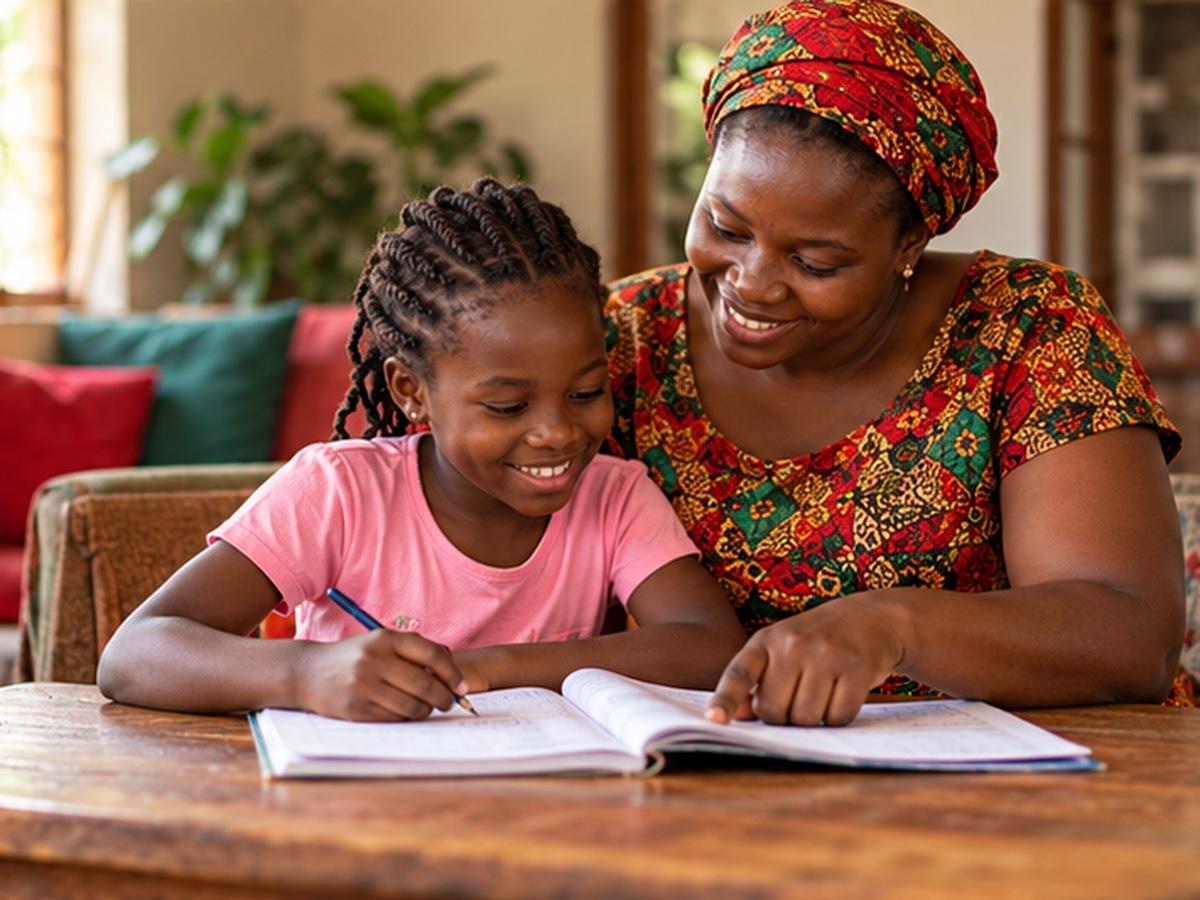
A return to regular learning

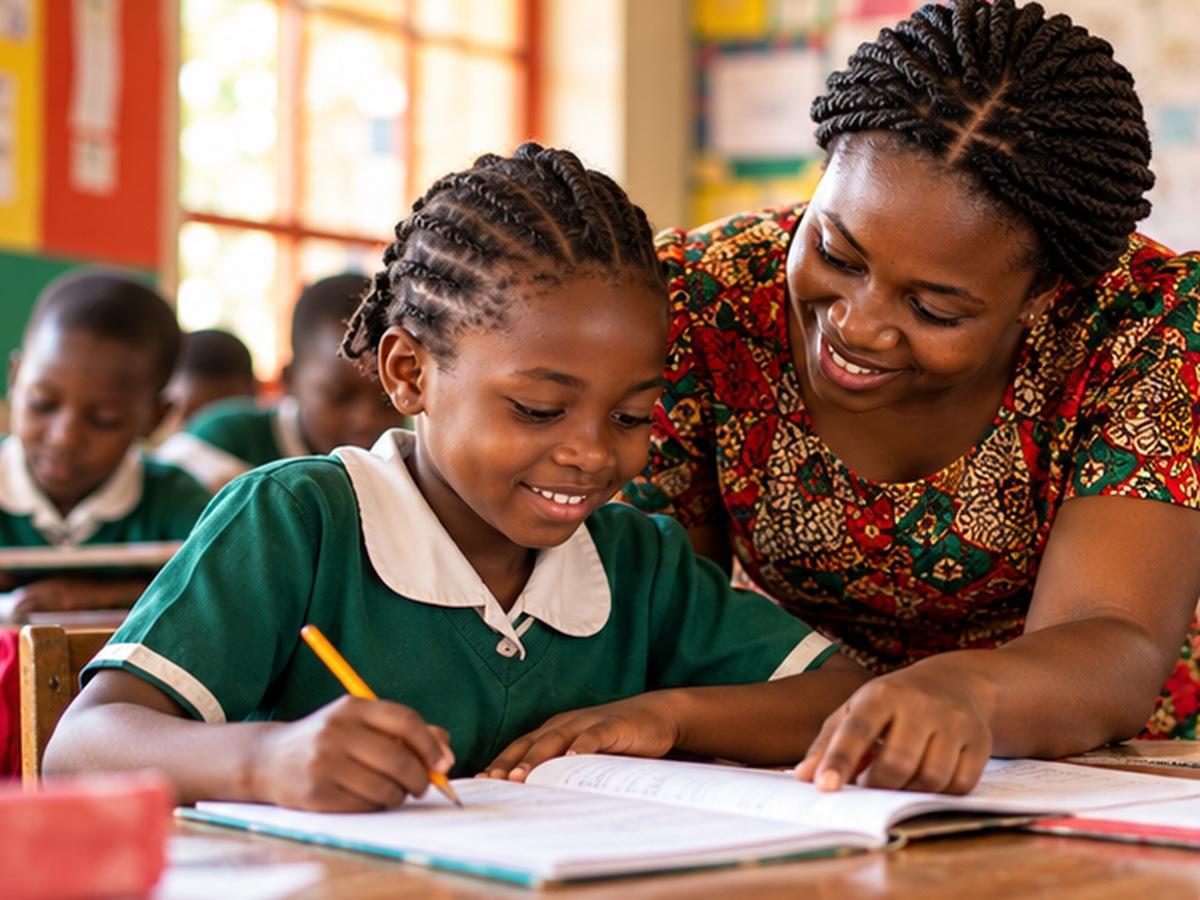
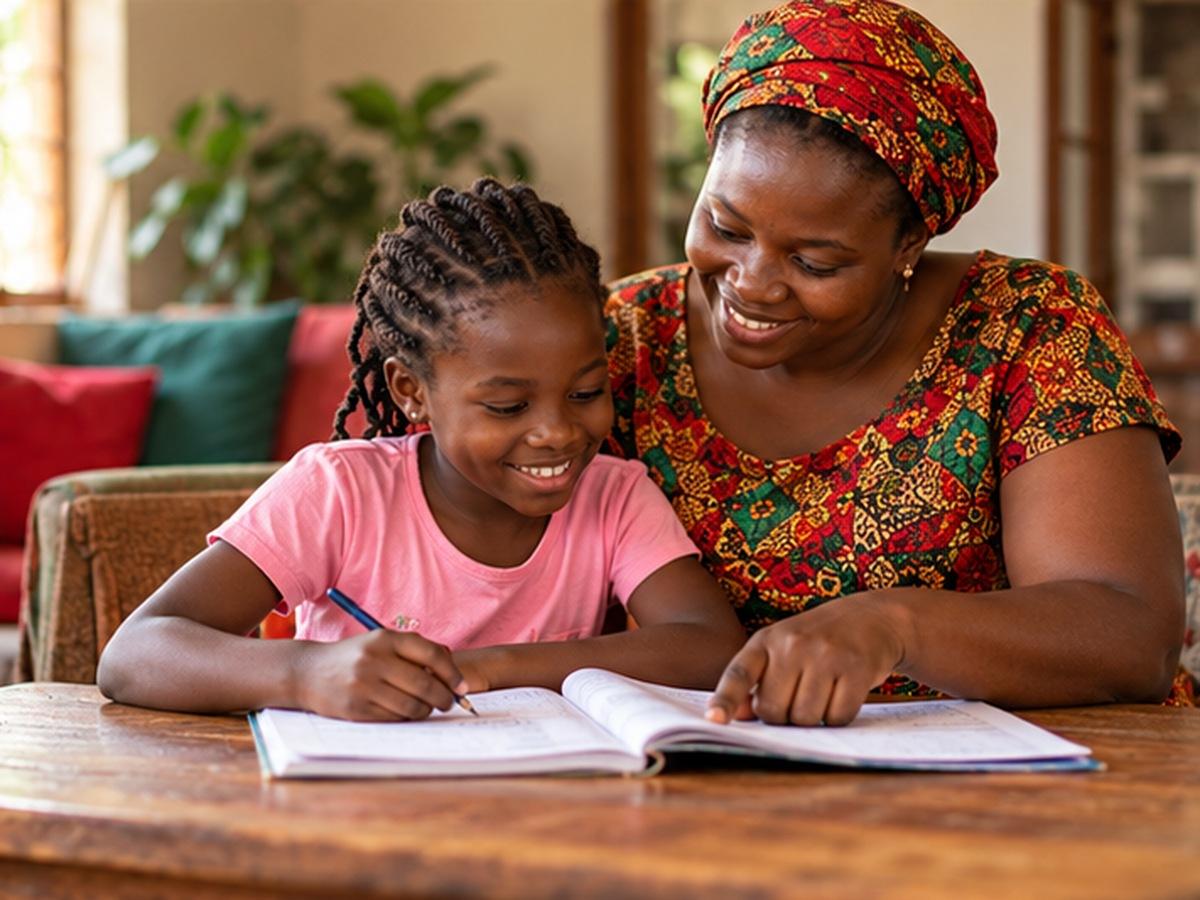
The barrier: A school-age child attends irregularly because materials are expensive and family routines are difficult to maintain.

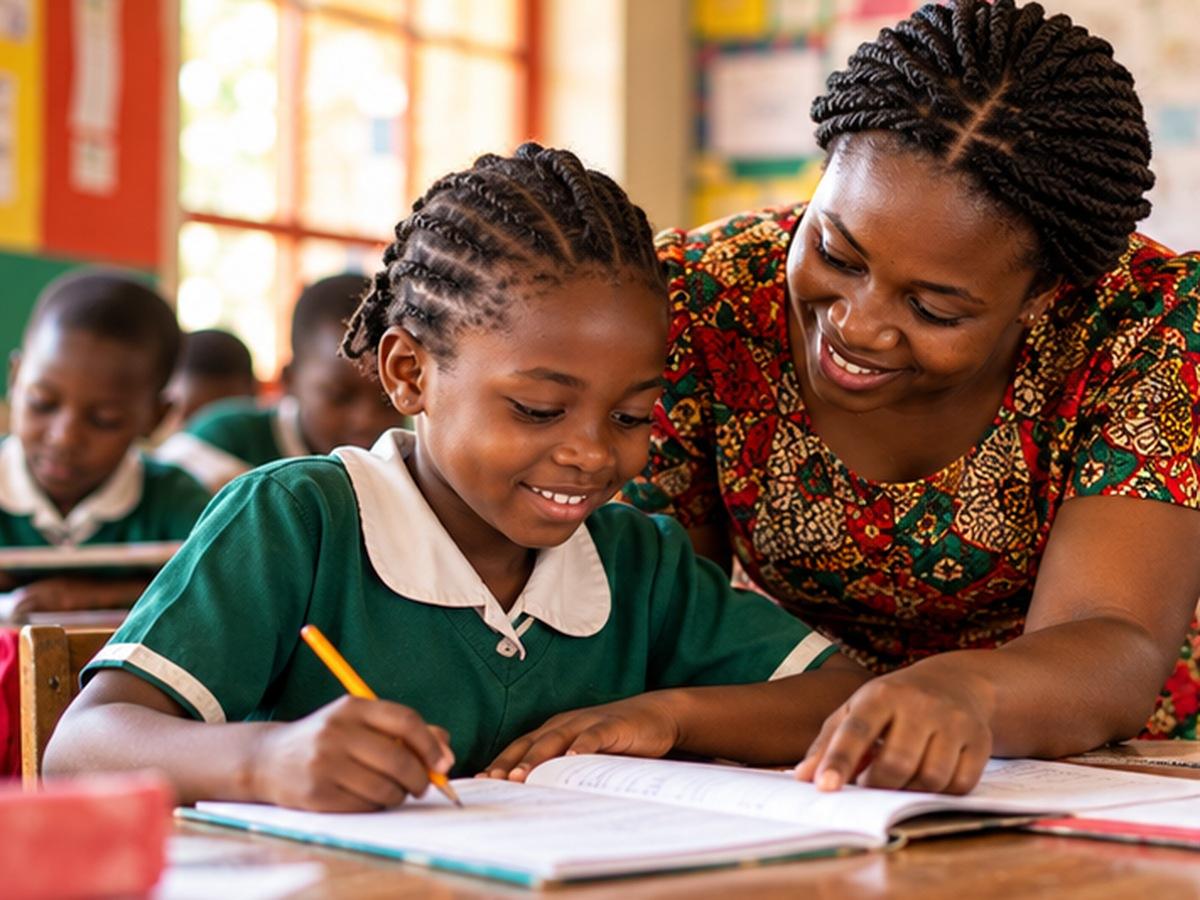
Practical response: Work with the family and school to identify a suitable package of learning materials, a realistic attendance plan and trusted follow-up.

Change to look for: More regular attendance, stronger engagement and increased confidence in lessons.

02 / VOLUNTEER TEACHER SUPPORT  |  ILLUSTRATIVE SCENARIO

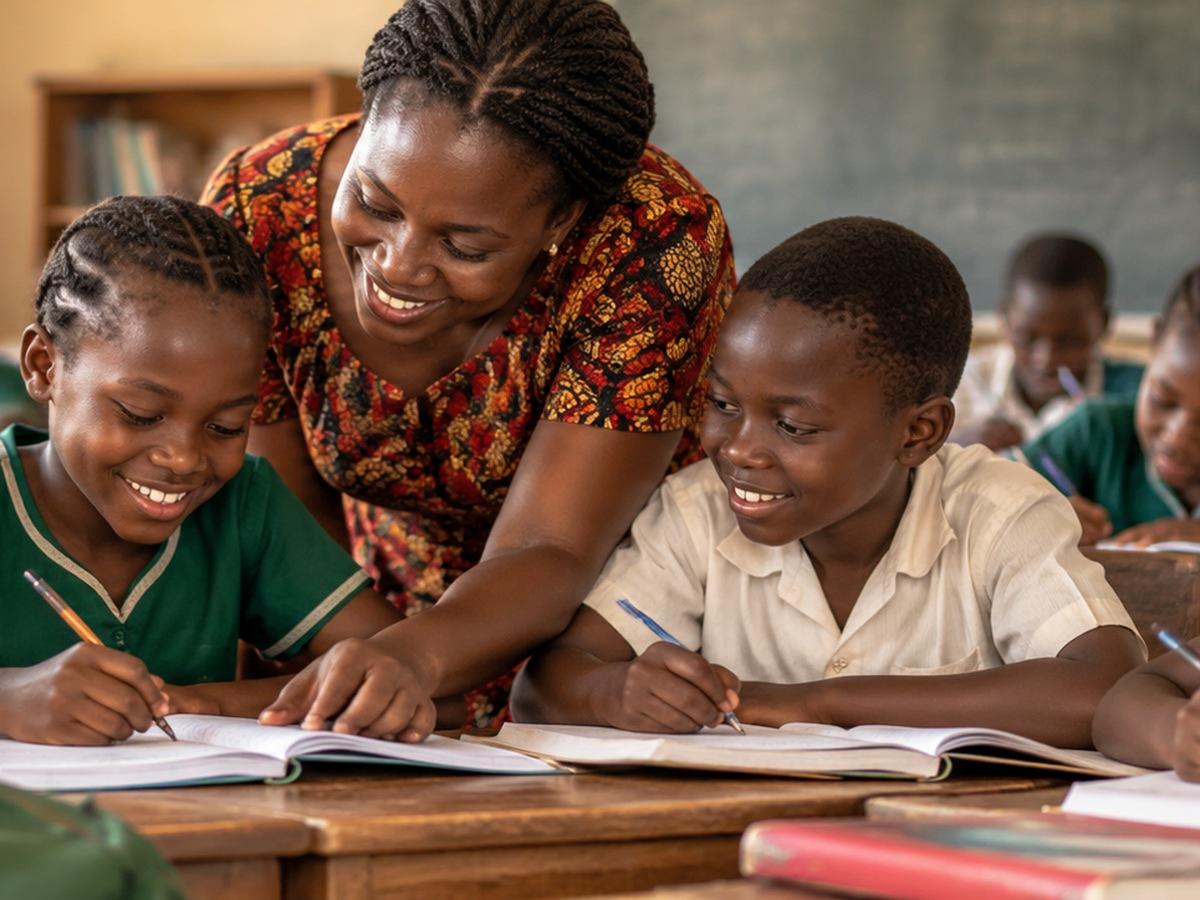
A classroom with better tools

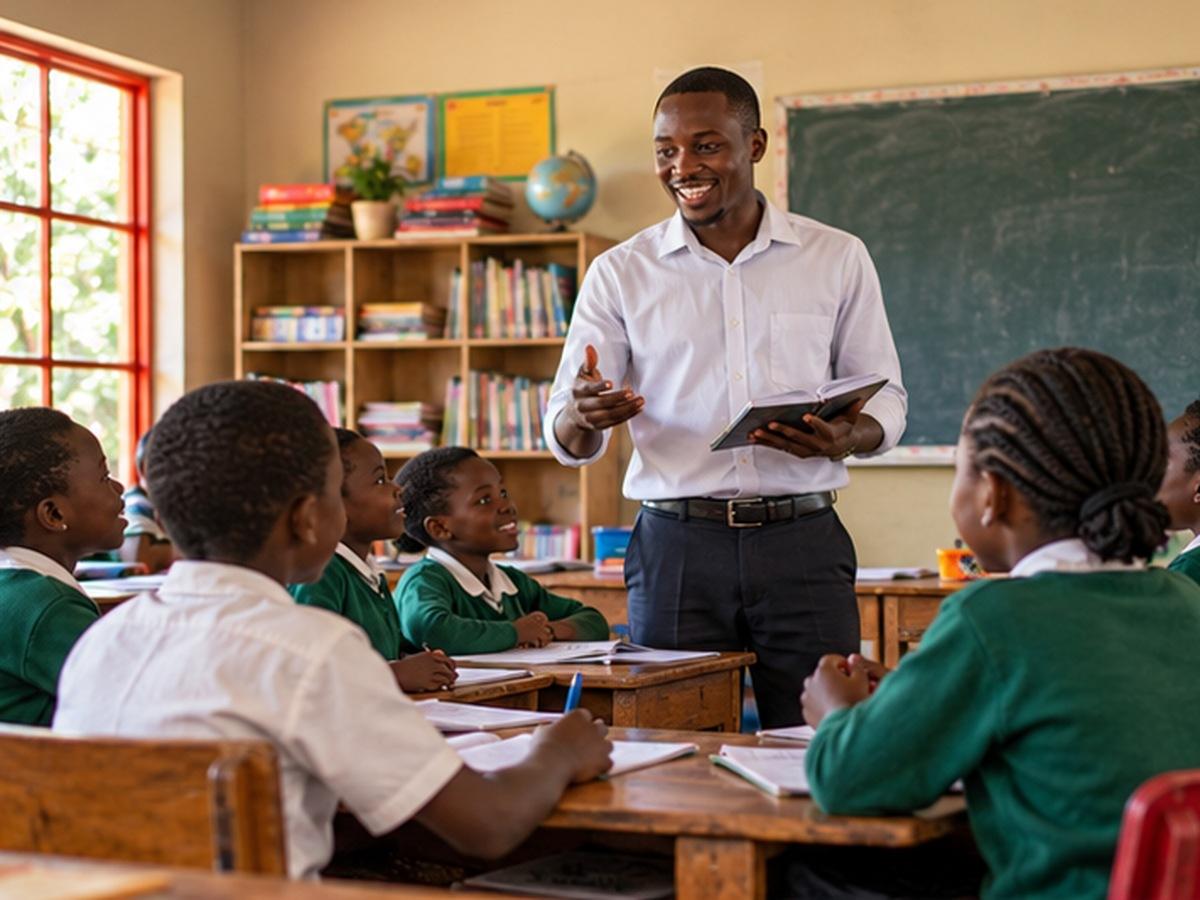
The barrier: An educator is motivated to help but has too few age-appropriate books, basic supplies and teaching resources.

Practical response: Identify classroom priorities, equip the learning space and connect the teacher with practical mentoring or peer support.

Change to look for: Improved participation, better learning routines and observable progress in basic skills.

IMPORTANT EDITORIAL NOTE   These case studies are illustrative pathways. Publish real names, quotations, locations or outcomes only after programme verification and informed consent.

Learning for today — and skills for what comes next

Personalised support can connect basic education, practical technology use and community-based opportunities.

03 / ILLUSTRATIVE CASE STUDY

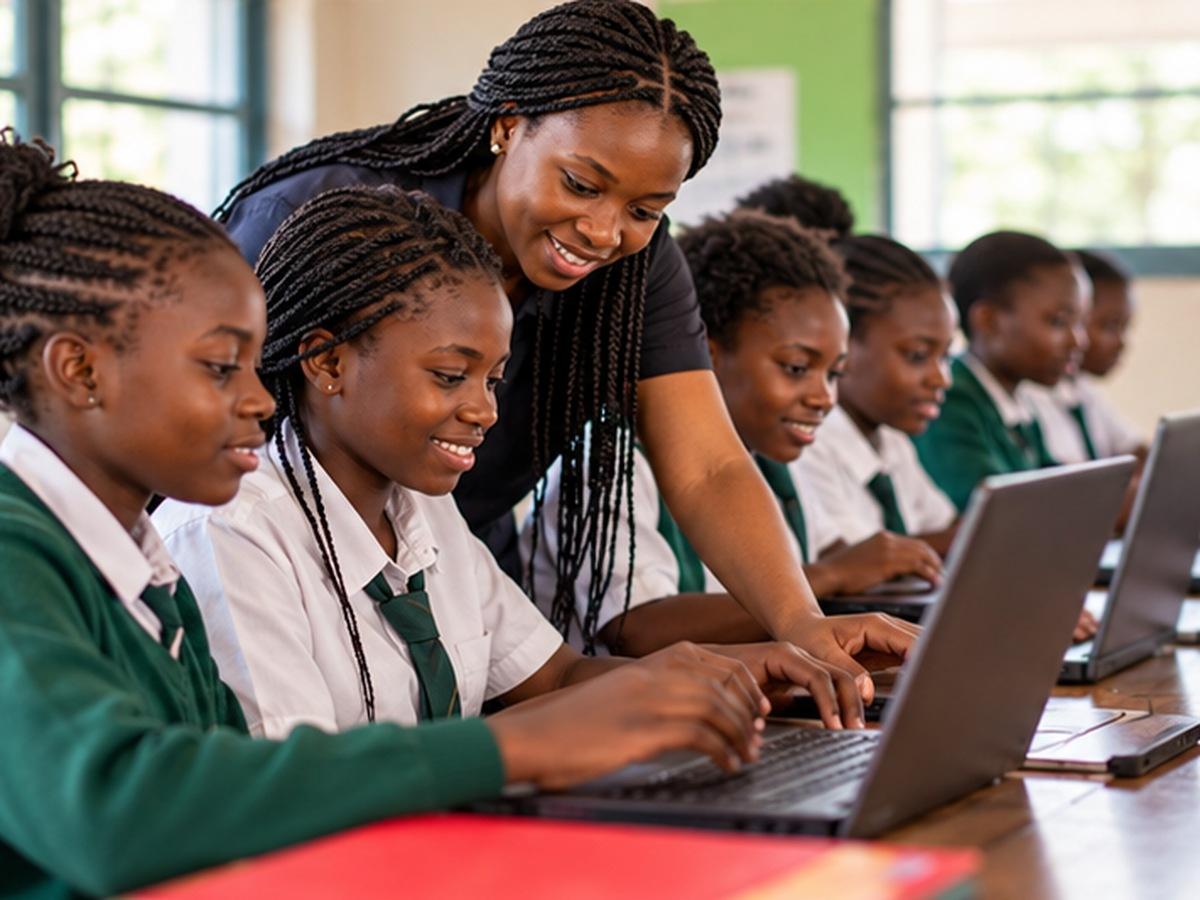
Digital confidence, one step at a time

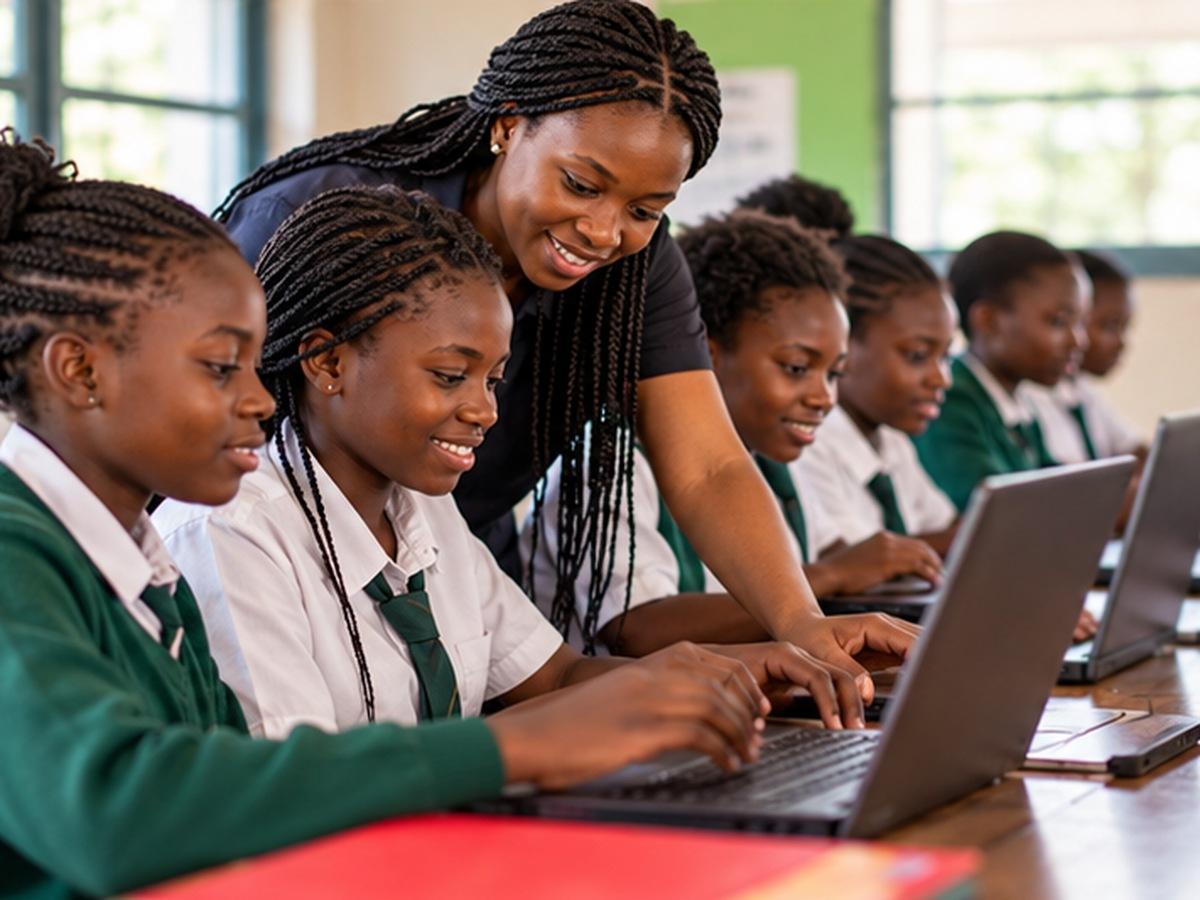
A young learner wants to use a computer for schoolwork but has had limited access to devices, connectivity and structured instruction. A small, supervised digital-learning programme could introduce safe internet use, typing, research and basic productivity skills.

Progress might be tracked through attendance, demonstrated skills, confidence using technology and the learner’s next education or training step.

PROGRAMME SPOTLIGHT / EXISTING RESCUE MISSION THEME

Building safer spaces for learning

Rescue Mission’s published Education page describes a “Build A Safe School” project and work focused on safer school environments, girls’ participation and practical resources. The website also highlights volunteer teaching and digital learning themes.

This design summarises those stated priorities; project activity, beneficiary numbers and completed outcomes should be checked against approved organisational records before publication.

Learning lasts when communities lead

Our proposed delivery approach starts by listening, works through trusted partners and follows through on results.

01 / LISTEN

Understand need

Hear from children, caregivers, teachers and local partners.

02 / DESIGN

Agree priorities

Identify practical, safe and inclusive learning support.

03 / DELIVER

Act together

Coordinate resources, mentorship and community involvement.

04 / LEARN

Check progress

Review participation, feedback, safety and learning outcomes.

HOW WE WOULD MEASURE PROGRESS

Meaningful signs of change

Access & attendance  Enrolment, regular participation and reasons children miss learning.

Learning & confidence  Age-appropriate literacy, numeracy, digital confidence and learner feedback.

Safety & inclusion  Safeguarding concerns, accessibility, girls’ participation and family feedback.

Continuity & next steps  Transition to the next stage of school, training or supported learning.

COMMUNITY-LED CHANGE   Progress should be reviewed with local educators, families and learners, and reported without exaggeration or unsupported claims.

Help open the door to a brighter future

Your involvement can help make education more accessible, inclusive and empowering for children and young people.

SMALL ACTS CAN CREATE NEW OPPORTUNITIES

Stand alongside children, educators and communities

By supporting learning materials, safer spaces, community mentoring and skills development, donors and partners can help address the practical barriers that prevent children from reaching their potential.

Rescue Mission welcomes individuals, schools, workplaces, charities and community groups who want to support access to quality education.

THREE WAYS TO HELP

GIVE

Support a learning need

Help fund priority education resources and practical access to learning.

FUNDRAISE

Bring people together

Organise school, workplace or community activities that support learning.

PARTNER

Build something lasting

Explore collaboration around inclusive learning spaces and skills.