CLEAN WATER & SANITATION

Healthier people. Safer communities. Brighter futures.

OUR PROGRAMMES / 01 / THE NEED

Safe water should never be a privilege.

Water, toilets and handwashing facilities are essential to dignity and health, yet major inequalities persist worldwide.

2.1bn

People lacked safely managed drinking water in 2024

3.4bn

People lacked safely managed sanitation in 2024

1.7bn

People lacked basic hygiene services at home in 2024

When a basic need becomes a daily struggle

  • Health is exposed.  Unsafe sources and poor sanitation increase the risk of preventable infections and disease.
  • Time is lost.  Long journeys to collect water take time away from schooling, paid work and family life.
  • Inequality deepens.  Children, women, older people and people with disabilities may face disproportionate barriers.


The challenge is not water alone: reliable supply, safe toilets, hygiene, accessibility and long-term maintenance must work together.

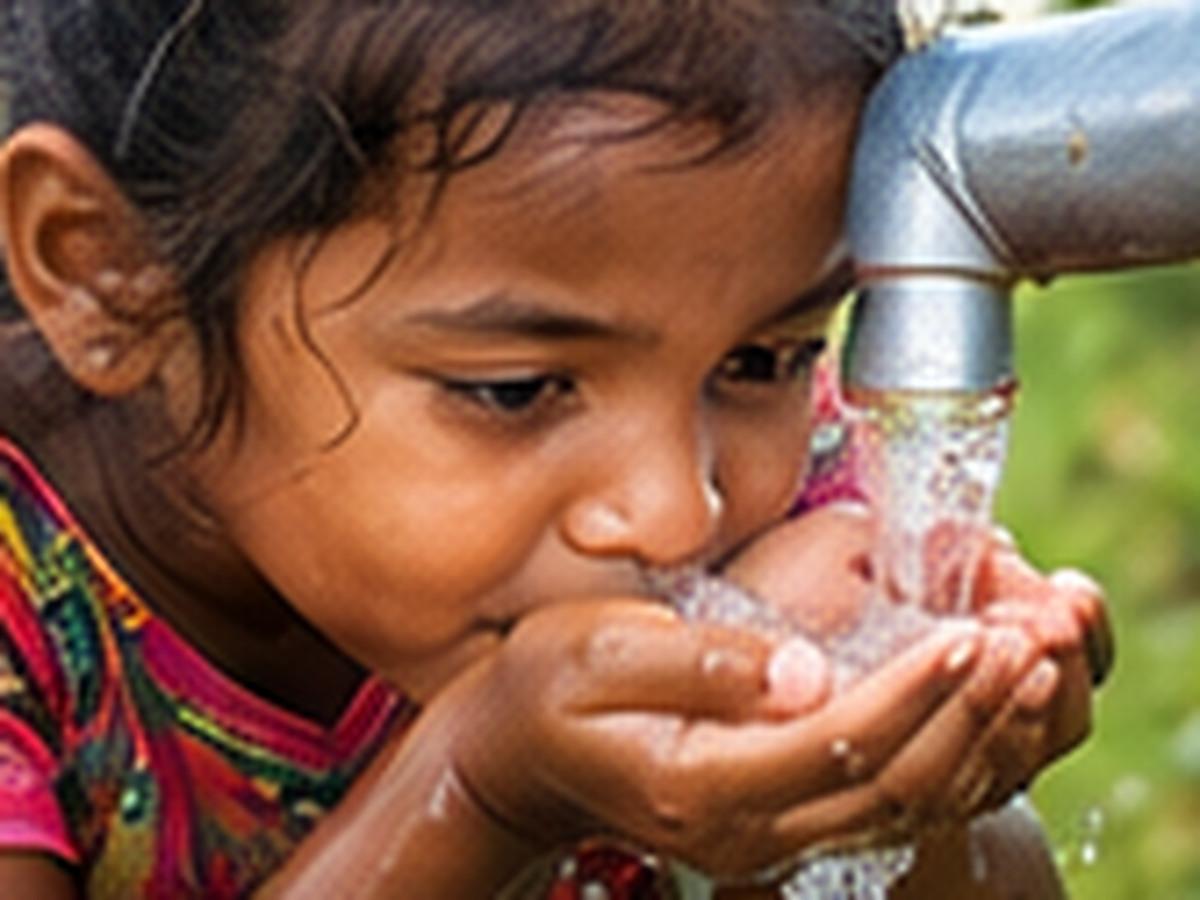
A donation can help communities plan for safer, more reliable water and sanitation services.

OUR PROGRAMMES / 02 / CLEAN WATER

Access that lasts beyond installation

Rescue Mission’s proposed approach places community priorities, safe engineering and long-term local ownership at the centre of every water project.

From water sources to reliable services

  • Understand the need.  Map existing sources, collection times, water quality, seasonal pressures and the people excluded.
  • Choose a suitable solution.  Consider boreholes, protected springs, rainwater harvesting, treatment and safe distribution as context allows.
  • Plan for the long term.  Train local caretakers, agree maintenance responsibilities, establish safe storage and monitor functionality.

THE FOUR STAGES OF COMMUNITY WATER DELIVERY

01 • LISTEN

Assess together

Locally accessible information in relevant languages

02 • BUILD

Deliver safely

Appointments, essential supplies and basic screening

03 • SUSTAIN

Maintain locally

Track breakdowns, repair times, affordability and seasonal reliability.

Give towards community-led solutions that protect every drop and keep services working.

OUR PROGRAMMES / 03 / SANITATION & HYGIENE

Dignity begins with a safe place to go

A toilet that is safe, private, accessible and maintained — supported by reliable handwashing with soap — protects dignity as well as public health.

Better facilities. Healthier habits.

  • Safe and inclusive toilets.  Promote privacy, lighting, disability access, handwashing facilities and safe waste management.
  • Behaviour change that respects communities.  Work with residents and educators on handwashing with soap, cleaning routines and safe water storage.
  • Environmental safeguards.  Locate systems carefully, manage wastewater responsibly and minimise contamination of local water sources.

WHAT GOOD SANITATION DESIGN SHOULD INCLUDE

DIGNITY

Privacy and safety

Gender-sensitive spaces, internal locks, menstrual hygiene facilities and accessible entrances.

PREVENTION

Handwashing with soap

Functional stations near toilets and food-preparation areas, with a replenishment plan.

RESILIENCE

Waste management

Systems designed for local soils, flooding risk, emptying arrangements and long-term upkeep.

Donate Now to support safer sanitation and everyday hygiene where it is needed most.

OUR PROGRAMMES / 04 / CHILDREN & EDUCATION

A healthier school is a stronger start

Children should be able to learn without worrying about thirst, illness, unsafe toilets or the absence of menstrual health facilities.

429m

school-age children lacked basic drinking water at school in 2025

460m

lacked basic, usable, single-sex school sanitation in 2025

545m

lacked basic handwashing facilities with soap and water in 2025

What a school WASH programme can provide

  • Water throughout the school day.  Working taps, protected storage, regular quality checks and an agreed repair process.
  • Toilets pupils can safely use.  Separate usable facilities, privacy, disability inclusion and appropriate menstrual-health provision.
  • Healthy habits that stick.  Child-friendly hygiene lessons, soap supplies, student involvement and teacher support.

Get Involved in helping schools become safer, more inclusive places to learn.

OUR PROGRAMMES / 05 / ILLUSTRATIVE CASE STUDY

Case study 01 | A school with dignity

An example of how a community-driven sanitation and hygiene programme could change everyday school life. This scenario is illustrative, not a claim of a completed Rescue Mission project.

The situation

  • The barrier.  A growing primary school has intermittent water, limited usable toilets and no dependable soap supply.
  • The proposed response.  Co-design suitable toilets, add handwashing points, strengthen cleaning routines and support menstrual-health education.
  • The shared responsibility.  Pupils, teachers, families and a local maintenance group help identify problems and protect the facilities.

HOW SUCCESS WOULD BE CHECKED

BEFORE & AFTER

Facility checks

Count working toilets and taps; record water and soap availability each month.

PUPIL VOICE

Safety and dignity

Use age-appropriate, confidential feedback to assess privacy, accessibility and comfort.

SUSTAINABILITY

Local ownership

Log repairs and check cleaning, supply and maintenance responsibilities are funded.

Donate Now to help make dignified, inclusive school sanitation possible.

OUR PROGRAMMES / 06 / ILLUSTRATIVE CASE STUDY

Case study 02 | Water closer to home

An example of how a rural community could plan for more reliable drinking water. This scenario is illustrative and does not describe a verified Rescue Mission intervention.

The community’s challenge and response

  • Before.  Families rely on an unreliable seasonal source; collection trips are lengthy and safe household storage is limited.
  • The intervention.  A community assessment identifies a feasible, protected source; engineers test water quality and design accessible collection points.
  • After handover.  A trained water committee monitors functionality, coordinates repairs and reports breakdowns or contamination concerns.

INDICATORS TO MONITOR

ACCESS

Collection time

Compare typical round-trip collection times before and after the service begins.

QUALITY

Safer water

Record water testing, contamination alerts and appropriate treatment where needed.

RELIABILITY

Working services

Monitor days available, breakdown duration and whether users can afford upkeep.

Get Involved: help communities create and sustain reliable local water services.

OUR PROGRAMMES / 07 / TAKE ACTION

Be part of the change

The next safe water point, accessible toilet or school handwashing station begins with people who decide that dignity and health matter.

Three powerful ways to help

  • DONATE NOW.  Support community assessments, supplies, safe infrastructure, hygiene education and maintenance capacity.
  • GET INVOLVED.  Volunteer professional skills, fundraise with your network, champion clean-water messages or join a local initiative.
  • PARTNER WITH US.  Explore collaboration with schools, community groups, businesses, foundations and technical WASH specialists.

OUR COMMITMENT TO RESPONSIBLE DELIVERY

COMMUNITY VOICE

Listen first

Plan with local people and avoid imposing unsuitable solutions.

MEASURABLE RESULTS

Show what changed

Share baselines, service checks, feedback and learning as projects are verified.

LONG-TERM VALUE

Build to last

Budget for repairs, governance, safe testing and climate resilience.