When neighbours act together, generosity can reach further.
Community giving brings friends, families, groups and local networks together to support people who need a helping hand.
A shared effort can be as simple as a collection, local fundraiser or awareness activity. Combining local relationships with a clear purpose helps create inclusive opportunities for people to contribute.
THE HEART OF THIS PAGE
• Local connections — Build on connections already present in a community.
• Shared effort — Divide organising tasks so participation stays manageable.
• Inclusive participation — Offer different ways to help, including non-financial action.
• Community voice — Listen to local perspectives and respond respectfully.

Build on connections already present in a community.
Divide organising tasks so participation stays manageable.
Offer different ways to help, including non-financial action.
Listen to local perspectives and respond respectfully.
There are several appropriate ways to be involved. Choose an option that matches your interests, availability and circumstances.
Invite optional contributions for an agreed cause.
Plan a modest activity centred on shared interest.
Coordinate participation through existing groups.
Use meetings or events to raise awareness.
Bring together complementary local organisations.
Suggest a practical initiative for consideration.

A positive contribution need not be large or complicated. Begin with a manageable step, be clear about its purpose, and ask how you can act responsibly and respectfully.
This scenario is a fictional illustration of a possible need and response. It is not a testimonial, documented beneficiary case, or claim of achieved impact.
Imagine neighbours organising a small collection after identifying a community need. A few people communicate, others donate suitable items and one group coordinates delivery with a participating organisation. This illustrative story shows how local relationships can support compassionate action.

Understand the needs expressed before deciding on a response.
Avoid assumptions, sensationalism or unapproved personal details.
Contribute through safe, organised and accountable activities.
A little preparation helps keep contributions meaningful, respectful and sustainable.
A SIMPLE FOUR-STEP ROUTE
01 Ask neighbours or group members what they would support.
02 Choose a practical activity and agree responsibilities.
03 Check donation routes, safety and any permissions.
04 Thank participants and share an accurate account of the activity.

Explain what the activity is intended to support.
No supporter should feel pressured to give time or money.
Confirm official donation, communication and safeguarding routes.
The most useful support is informed, safe and well matched to the way you want to be involved.
No. Simple activities can be planned around available resources.
Yes, through suitable, respectful and voluntary activities.
First confirm that the receiving organisation can use them.
Provide clear information and more than one way to participate.
Keep the focus on people, privacy, choice and practical relevance. The examples on these pages are editorial illustrations, so final public-facing material should be checked against Rescue Mission’s current arrangements before publication.
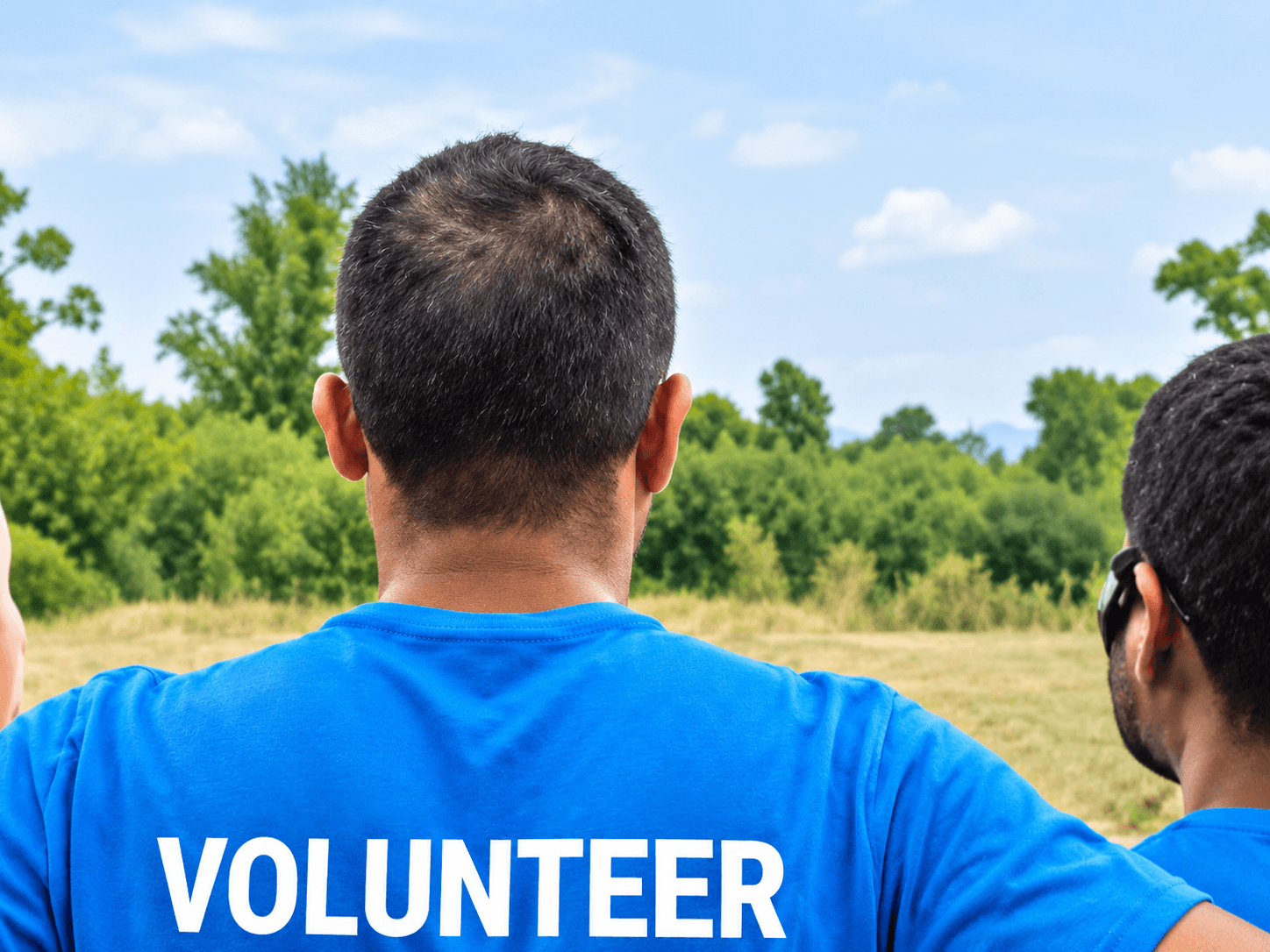
Compassion becomes more meaningful when it is linked with a clear, realistic way to act.
Imagine a hobby club choosing a community fundraising day. Some members help run the activity, some give a small donation, and others simply attend to learn. The event works because participation is voluntary, welcoming and planned around a clear purpose.
Start with a straightforward action that is right for you.
Explore suitable opportunities and agreed next steps.
Help someone else discover a compassionate way to participate.
The value of community giving lies in neighbours finding achievable ways to support one another and extend care beyond their immediate circle.
Rescue Mission is a registered company limited by guarantee (Company No. 10413275) Registered Charity No. 1196944 (England & Wales) 20-22 Wenlock Road, London, N1 7GU, England, United Kingdom

