Keeping safeguarding and community protection central to relief.
Rescue Mission’s emergency material highlights the heightened risks faced by children during disasters and conflict. Protecting children depends on careful coordination, safe access to appropriate help and listening to communities.
Crises may separate families, disrupt education and reduce access to essential health and welfare services. Humanitarian planning therefore needs to consider both material needs and safeguards.
Rescue Mission’s published emergency approach combines timely relief with preparation and longer-term recovery. The emphasis is on understanding conditions locally and supporting communities to regain stability.

The right support depends on the crisis, access conditions and what affected communities identify as priorities.
Adults coordinating a response should know how to recognise urgent concerns, protect private information and involve appropriate local services. Careful referral processes can matter as much as supplies.
Safety considerations should inform who is contacted, where aid is provided and how information is communicated, especially in crowded temporary settings.
Priorities should be reviewed as the emergency evolves. Practical help is most useful when it reaches the right people, at the right time, in a safe and dignified way.
Emergency needs overlap. A useful response connects practical assistance to the longer-term conditions people face.
• Keep local needs and safe access at the centre of planning.
• Recognise that risks can change after the initial disaster or displacement.
• Link immediate essential support to recovery, dignity and preparedness.
After a major storm, an adult safeguarding team and local welfare organisations establish clear referral routes and safe information-sharing procedures for displaced households. This is an editorial example of protection-aware response, not a report of a particular intervention.
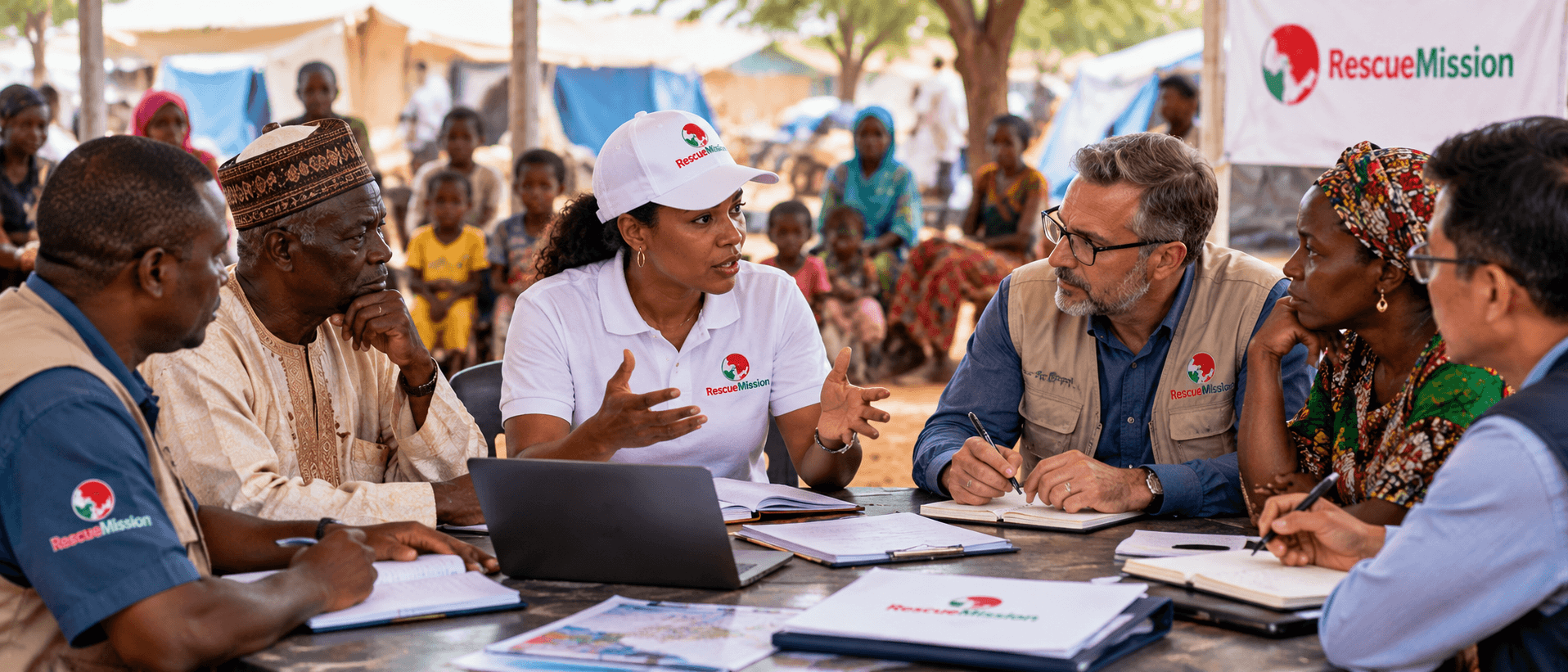
ILLUSTRATIVE SCENARIO: SAFEGUARDING COORDINATION
After a major storm, an adult safeguarding team and local welfare organisations establish clear referral routes and safe information-sharing procedures for displaced households. This is an editorial example of protection-aware response, not a report of a particular intervention.
The source names crises and describes needs. This concept page does not invent an individual’s identity, a first-person testimonial or unverified figures for Rescue Mission projects.
Working with local people helps define what is needed, how support should reach communities and what recovery should look like.
Local organisations may be better placed to recognise risks and ensure that protective services are culturally relevant, accessible and trusted.
Listening, coordination and informed decisions help make aid more practical and respectful.
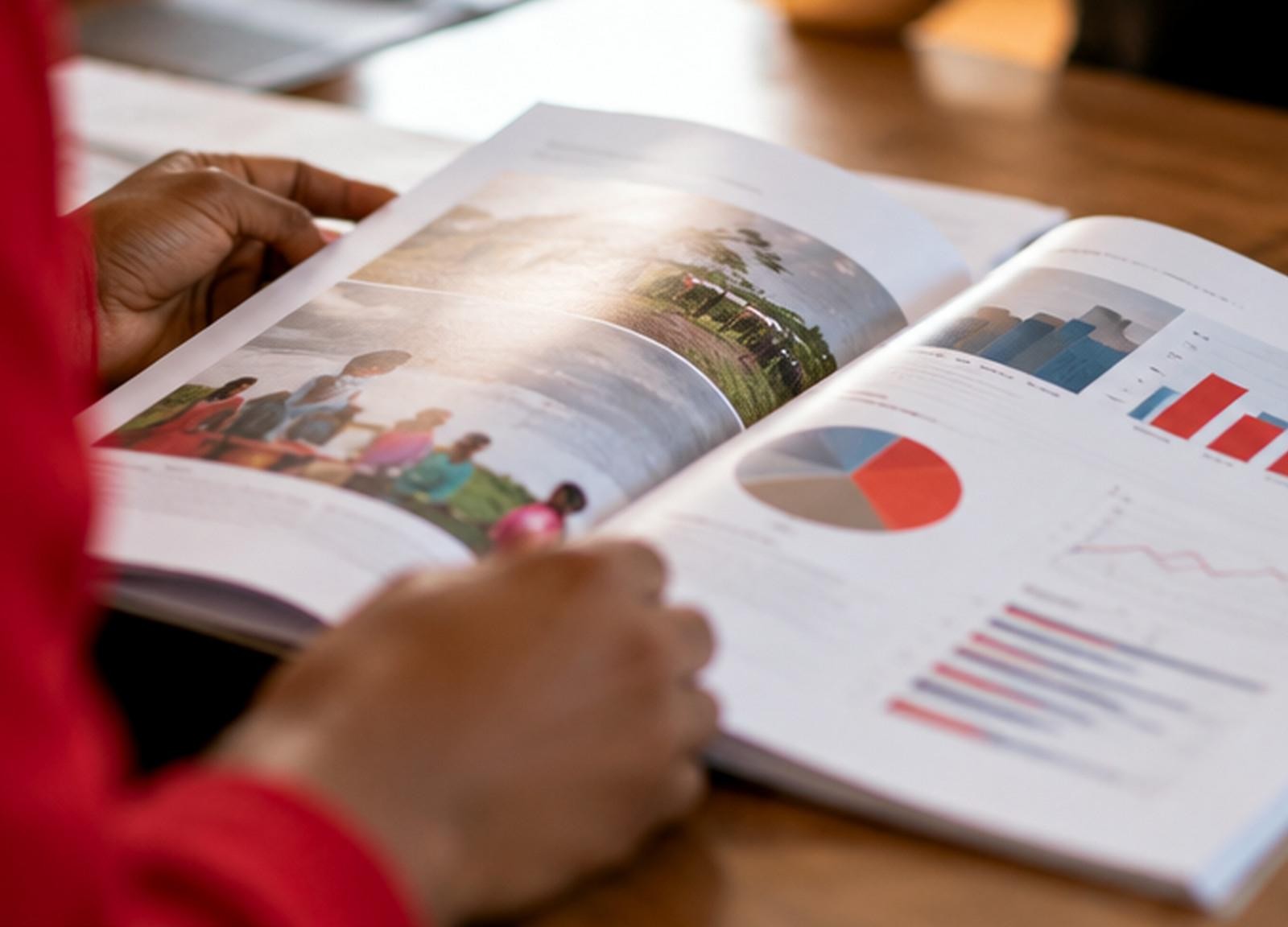
Rescue Mission describes training local staff and community members in disaster preparedness, along with local-led decisions during response and recovery.
As communities rebuild, continuity of support, stable services and careful coordination remain important to protecting people affected by emergencies.
The work of rebuilding may involve livelihood support, safer services, local planning and disaster risk reduction. Rescue Mission’s published material places this continuing work alongside the first emergency response.
Help make emergency relief attentive to safety and protection as well as practical necessities.
Bringing Hope, Protecting Children and Building Stronger Communities.
Rescue Mission is a registered company limited by guarantee (Company No. 10413275) Registered Charity No. 1196944 (England & Wales) 20-22 Wenlock Road, London, N1 7GU, England, United Kingdom
