Compassionate pregnancy care. Safer childbirth. Healthier newborns and stronger communities.
Antenatal advice and early risk detection
Skilled birth and timely referrals
Newborn checks and family education
A safe pregnancy should never depend on income, distance, age or whether a woman can reach a trained professional.
In 2023, approximately 260,000 women died during or following pregnancy and childbirth worldwide. Most of these deaths were preventable. Every missed check-up or delayed referral can increase avoidable risks.
Rescue Mission’s proposed response focuses on care that is local, respectful, continuous and coordinated with qualified providers.
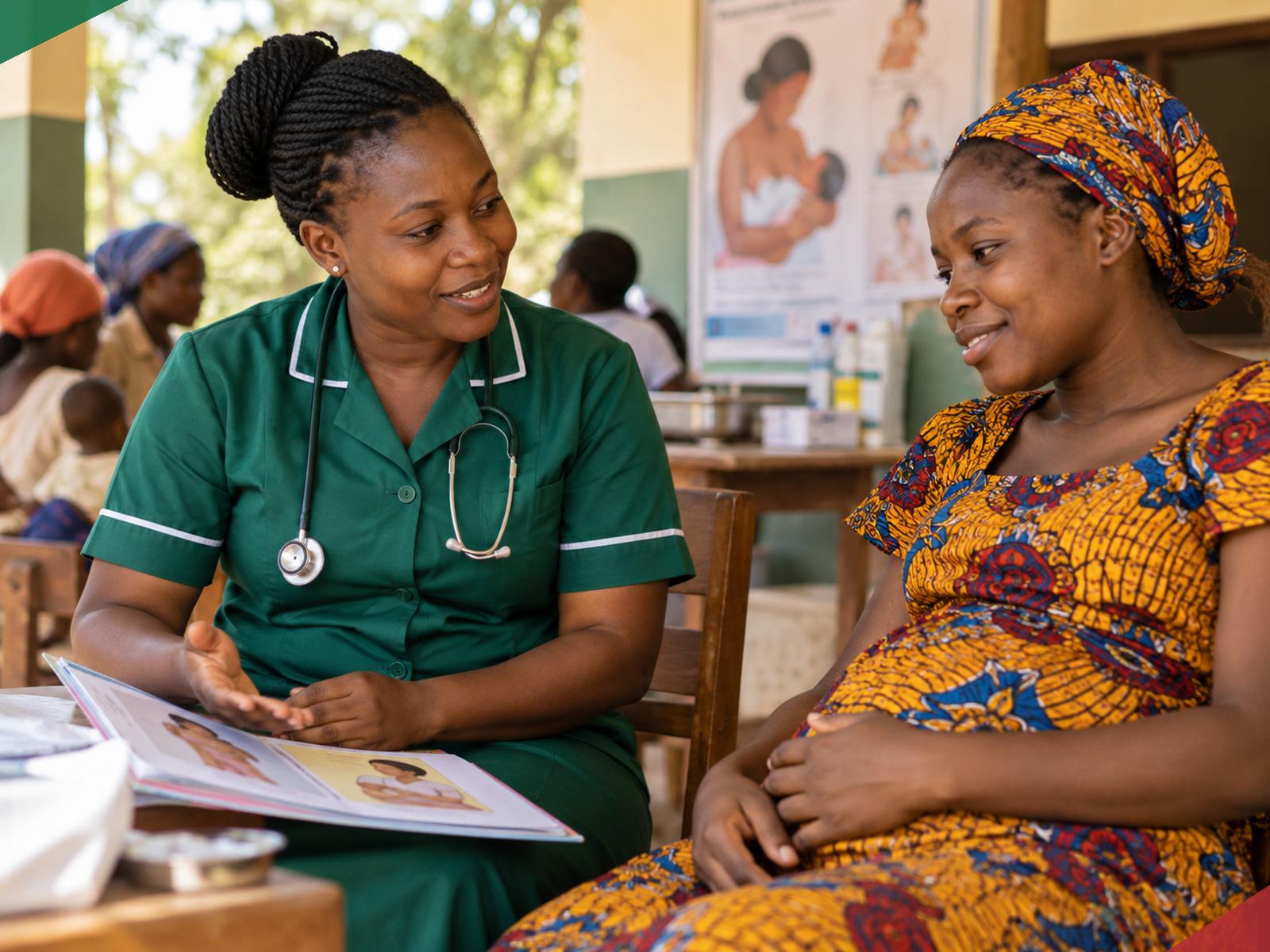
Estimated maternal deaths worldwide in 2023 (WHO)
Newborn deaths in the first month of life in 2022 (UNICEF)
WHO recommended antenatal care contact model
Help strengthen early screening, pregnancy advice and referral pathways before complications become emergencies.
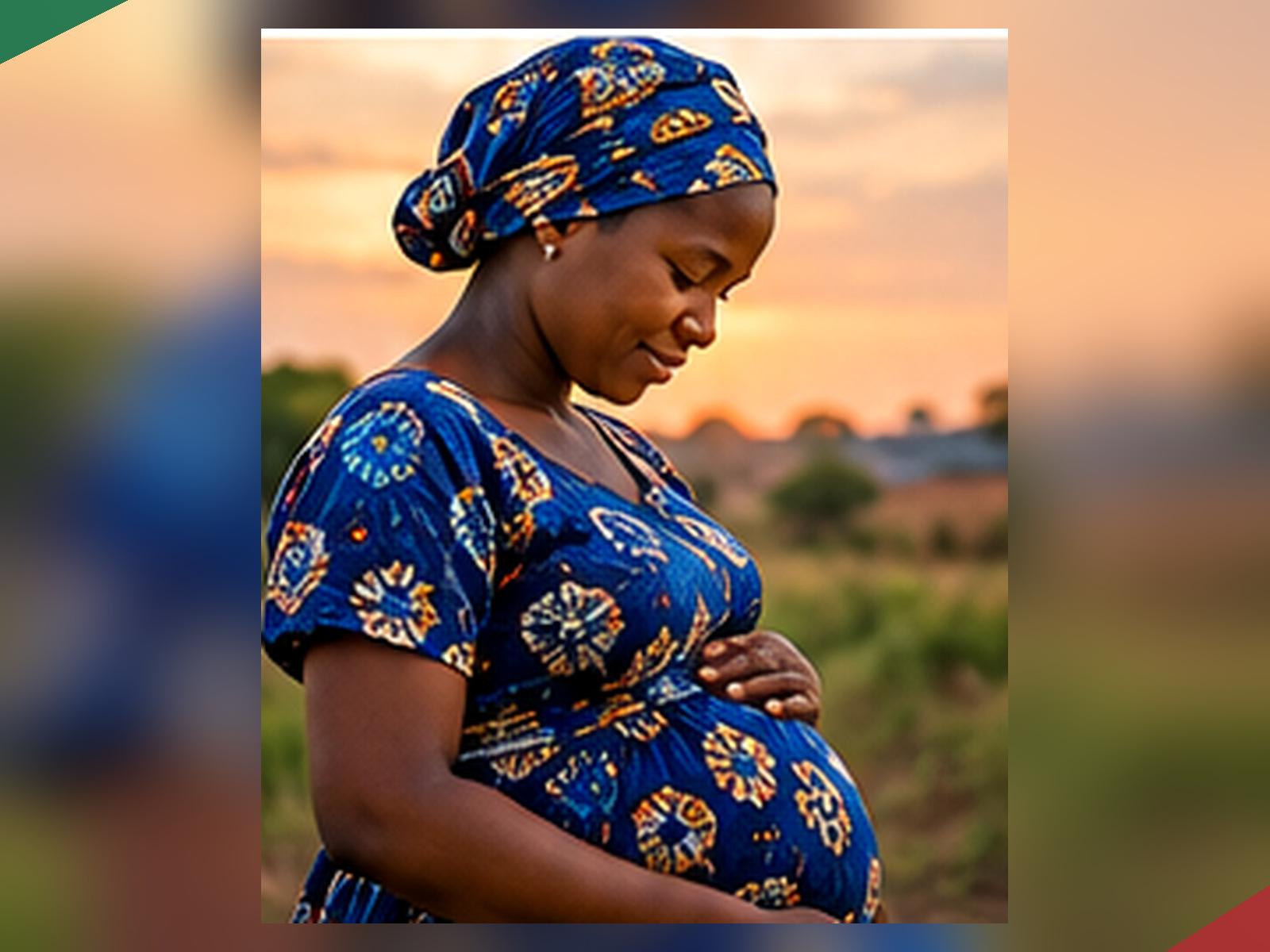
From a positive pregnancy test to a confident birth plan, women need clear information and consistent, respectful support.
Every interaction should promote informed consent, privacy, dignity and women’s own decisions about their care.
WHAT A COMMUNITY-SUPPORTED MATERNAL HEALTH PROGRAMME CAN PROVIDE
Locally accessible information in relevant languages
Appointments, essential supplies and basic screening
Clear escalation to health facilities and emergency care
Your generosity could help mothers obtain early checks, useful health information and vital follow-up.
Good maternal healthcare continues through birth, recovery and the baby’s most vulnerable first weeks.
Follow-up must also address maternal recovery, emotional wellbeing and a safe transition from facility to home.
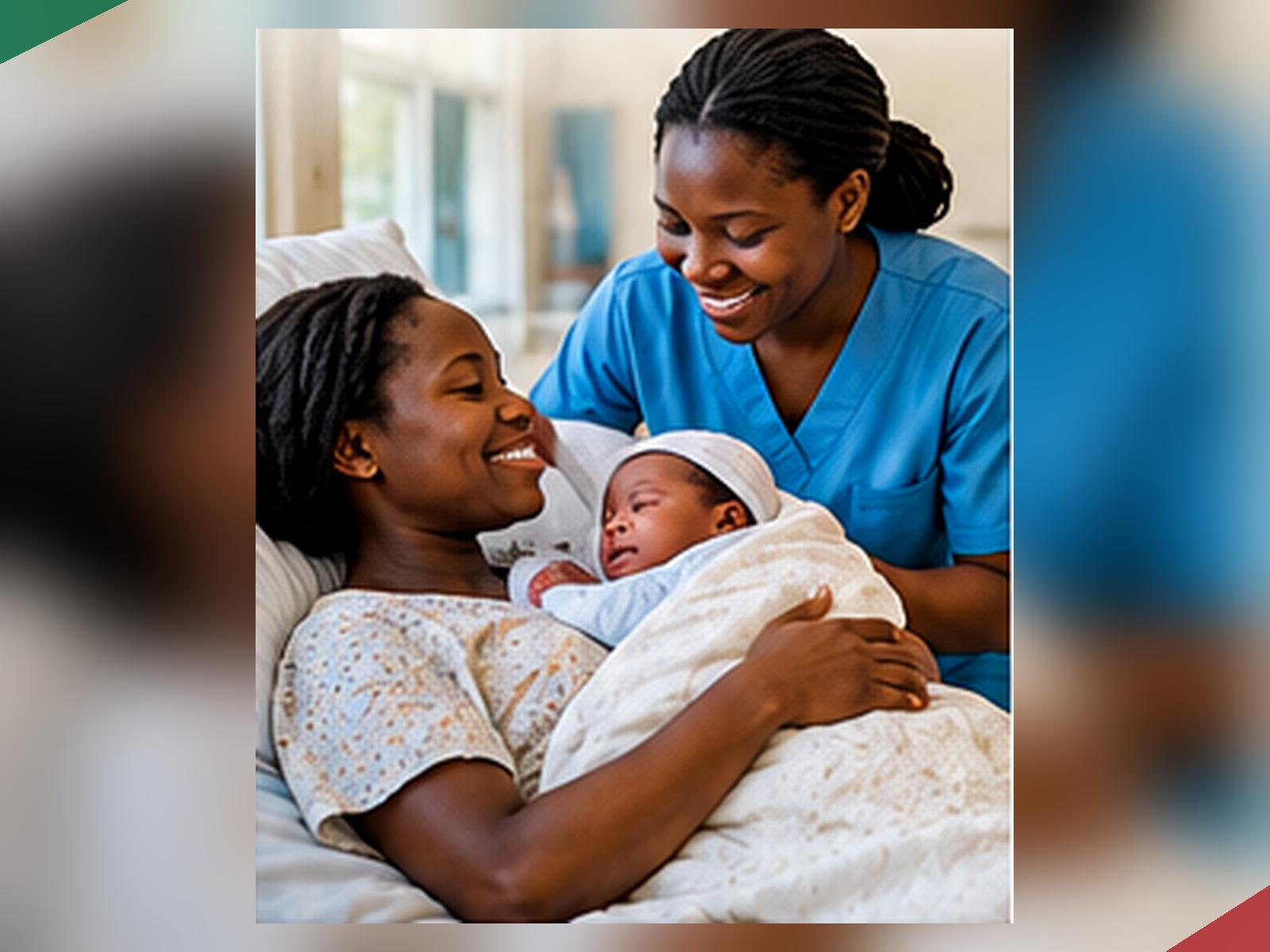
THE CONTINUUM OF CARE
Checks, counselling and preparation
Skilled care and emergency response
Newborn checks and supportive follow-up
Back trusted local maternity services and help families access the care they need at the right time.
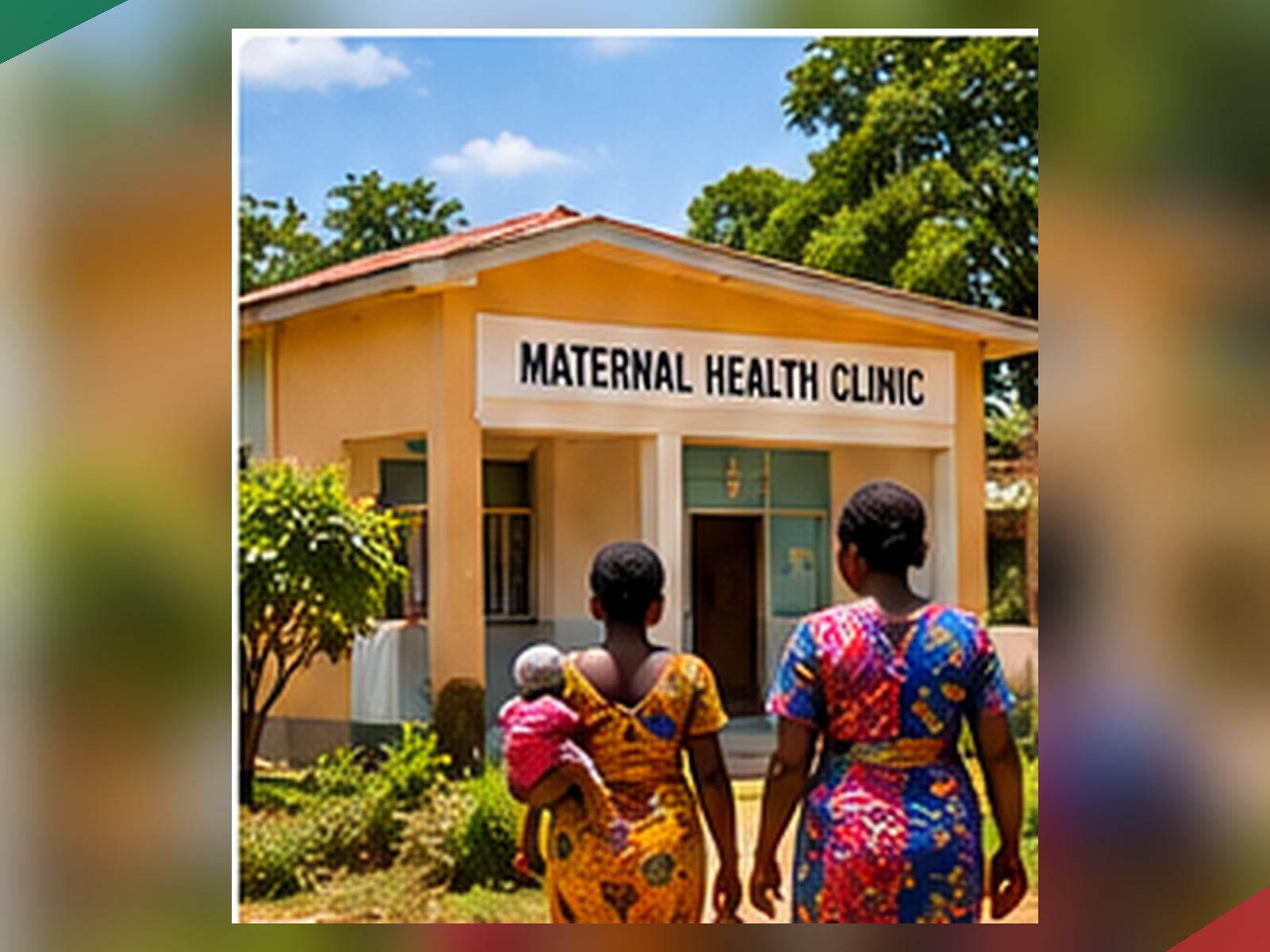
Mobile outreach, trusted local voices and safe referrals can help bridge the distance between underserved communities and essential healthcare.
Sustainable services are locally led and integrated into existing public health pathways—not parallel systems.
A SIMPLE, COMMUNITY-LED SERVICE MODEL
Map real needs with women and local leaders
Coordinate with health centres and trusted partners
Check attendance, referrals and outcomes
Volunteer specialist skills, sponsor outreach supplies or partner in a community education initiative.
These composite illustrations show how coordinated maternal healthcare can change a family’s experience. They are not documented Rescue Mission beneficiary cases.
Amina lives far from the nearest maternity clinic. Late in pregnancy she worries about the cost of travel and does not know which symptoms require urgent attention. A community health worker helps her arrange a clinic appointment and develop a birth and transport plan.
The difference: timely information, qualified assessment and a clear referral route give Amina greater confidence and a safer path to birth.
After delivery, Mariama is unsure whether her baby is feeding well. A planned postnatal contact allows a trained professional to assess the baby, offer practical feeding support and explain warning signs. A follow-up visit checks on both mother and child and connects them to additional care if needed.
Questions and worries are discussed before they escalate
Concerns reach appropriate clinical services
Mother and newborn are not left without follow-up
Give towards practical, coordinated care that can improve the pregnancy and postnatal experience.
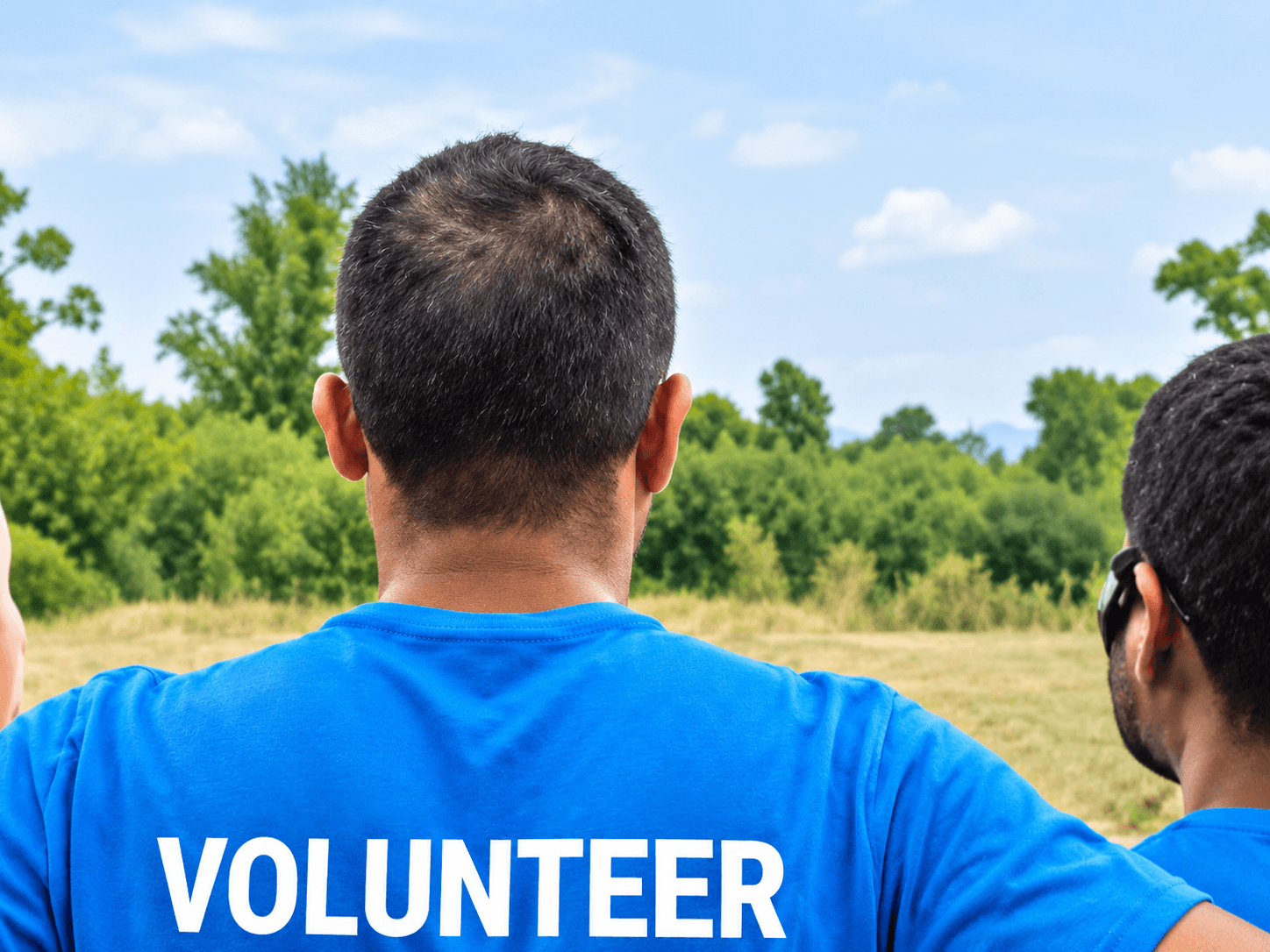
Funding, volunteering and partnerships can strengthen essential maternal services when guided by local needs and transparent delivery.
Use funds against assessed needs, approved programme budgets and transparent reporting—rather than unsupported impact claims.
Support practical care and essential resources
Contribute appropriate professional or community skills
Collaborate as a clinic, business, school or group
Raise awareness and invite others to participate
Join the effort to make reliable, respectful maternity care easier to access.
No mother should feel alone when care is most urgently needed. A healthier beginning strengthens families and communities for years to come.
A safe pregnancy. A respected mother. A healthier child. A stronger future.
Link this call to the verified Rescue Mission donations page
Connect volunteers and partners to an enquiry form
Insert Rescue Mission’s approved email and contact details
Rescue Mission is a registered company limited by guarantee (Company No. 10413275) Registered Charity No. 1196944 (England & Wales) 20-22 Wenlock Road, London, N1 7GU, England, United Kingdom

