Safer childhoods. Stronger learning. Brighter futures for every child.
We connect practical protection, inclusive education and family support so children can learn with confidence and look forward to what comes next.
Protection and education work best together: one creates the conditions for children to thrive; the other opens the door to a more secure future.
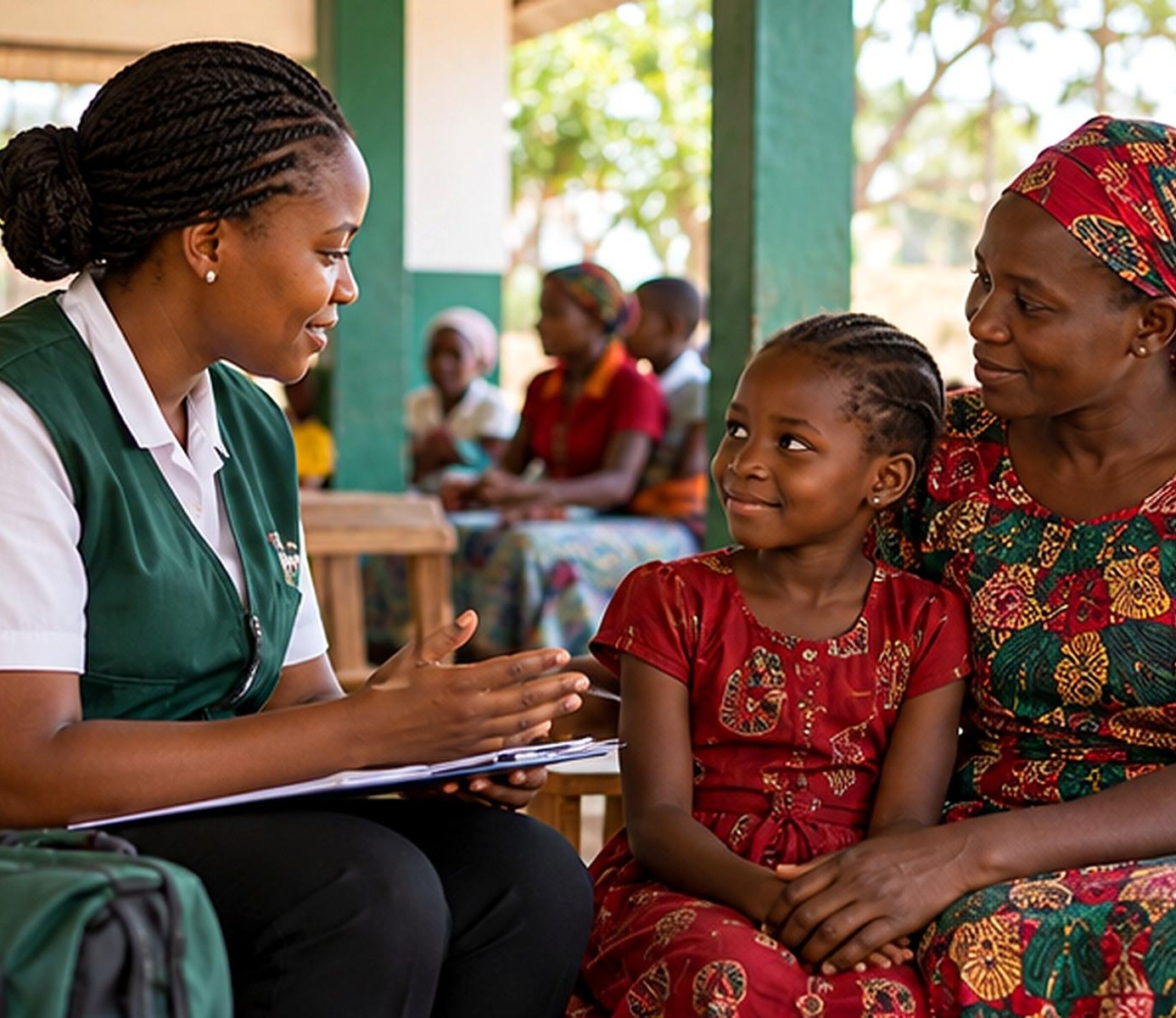
Children facing poverty, discrimination, neglect or a sudden family crisis often experience several barriers at once. Safe learning requires more than a classroom: it calls for trusted adults, practical resources and an environment where children are listened to.
Our Protect & Educate vision brings caregivers, schools and local partners together to identify risks early, remove obstacles to attendance and create spaces in which every child is treated with dignity.
HOW WE WORK
01 Listen first. Understand the priorities of children, families and community partners.
02 Act safely. Follow safeguarding, confidentiality and referral procedures.
03 Build for the long term. Strengthen local knowledge, learning and resilience.
Prevent and respond to harm through awareness, safe reporting and appropriate referrals.
Support attendance, foundational learning and confidence so no child is left behind.
Help families, carers and communities create conditions in which children can flourish.
A child knows which adult will listen. A caregiver is treated with respect. A school recognises and responds to barriers early. Local agencies understand their responsibilities, and practical support is followed by a clear review of whether the child feels safer and is able to learn.
A child cannot concentrate on learning when safety, stability and trusted support are missing. The right response begins with prevention and continues with careful, child-centred action.
01 Recognise concerns Help families and frontline partners understand neglect, exploitation, violence, unsafe journeys and other risks.
02 Make it easier to speak up Promote age-appropriate information, trusted contacts, respectful listening and safe routes for reporting.
03 Respond with care Prioritise immediate safety, record concerns responsibly and connect families with qualified, locally authorised services.
04 Follow through Work with appropriate partners to restore stability and reduce avoidable repeat harm.
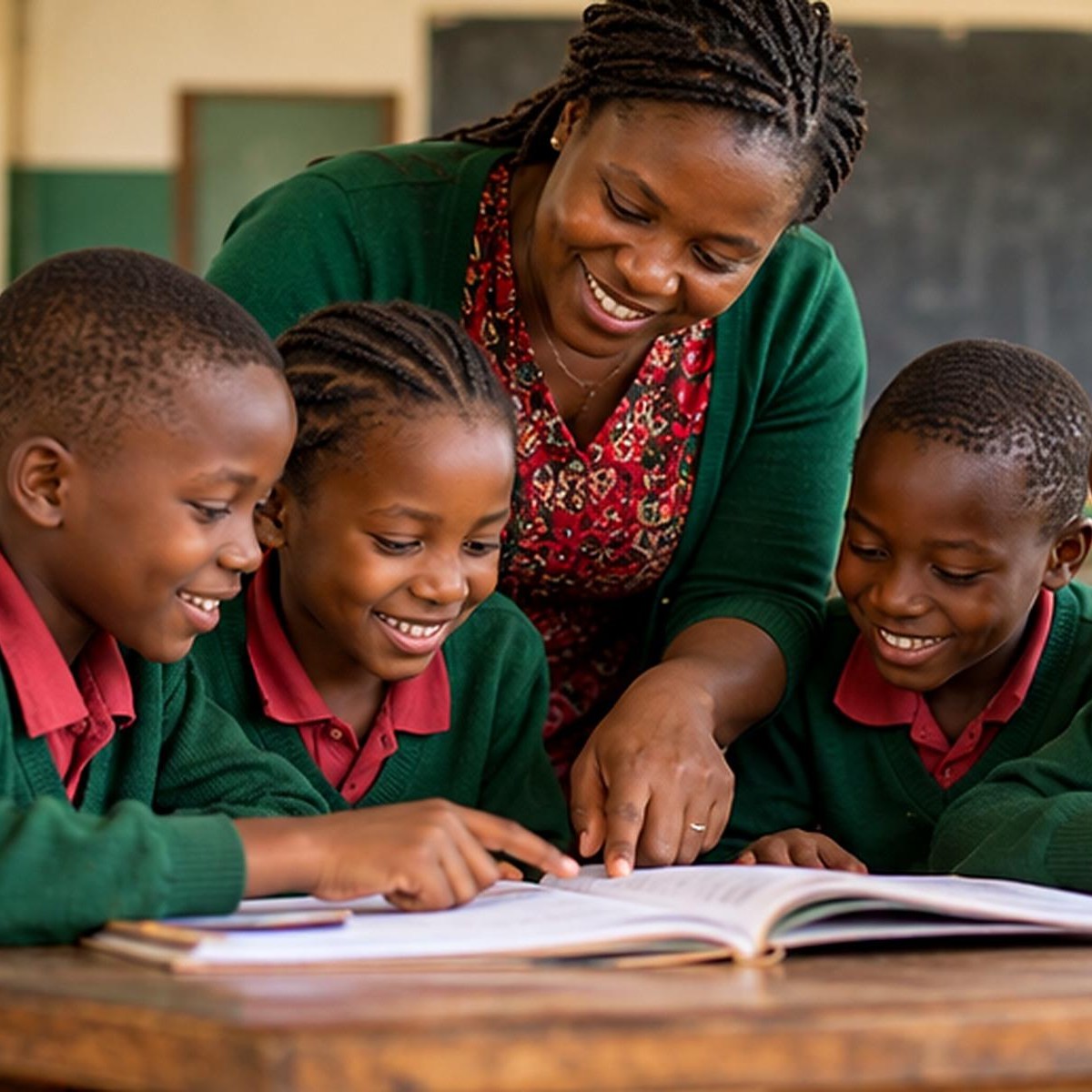
A protection-led programme requires suitable policies, trained personnel, consent and confidentiality rules, secure information handling, and clear pathways for urgent referral. Rescue Mission should publish verified local procedures and contacts before launch.
Prevention also means learning from children and communities: safe routes to school, reliable supervision, inclusive play and clear standards of behaviour can all help reduce exposure to avoidable harm.
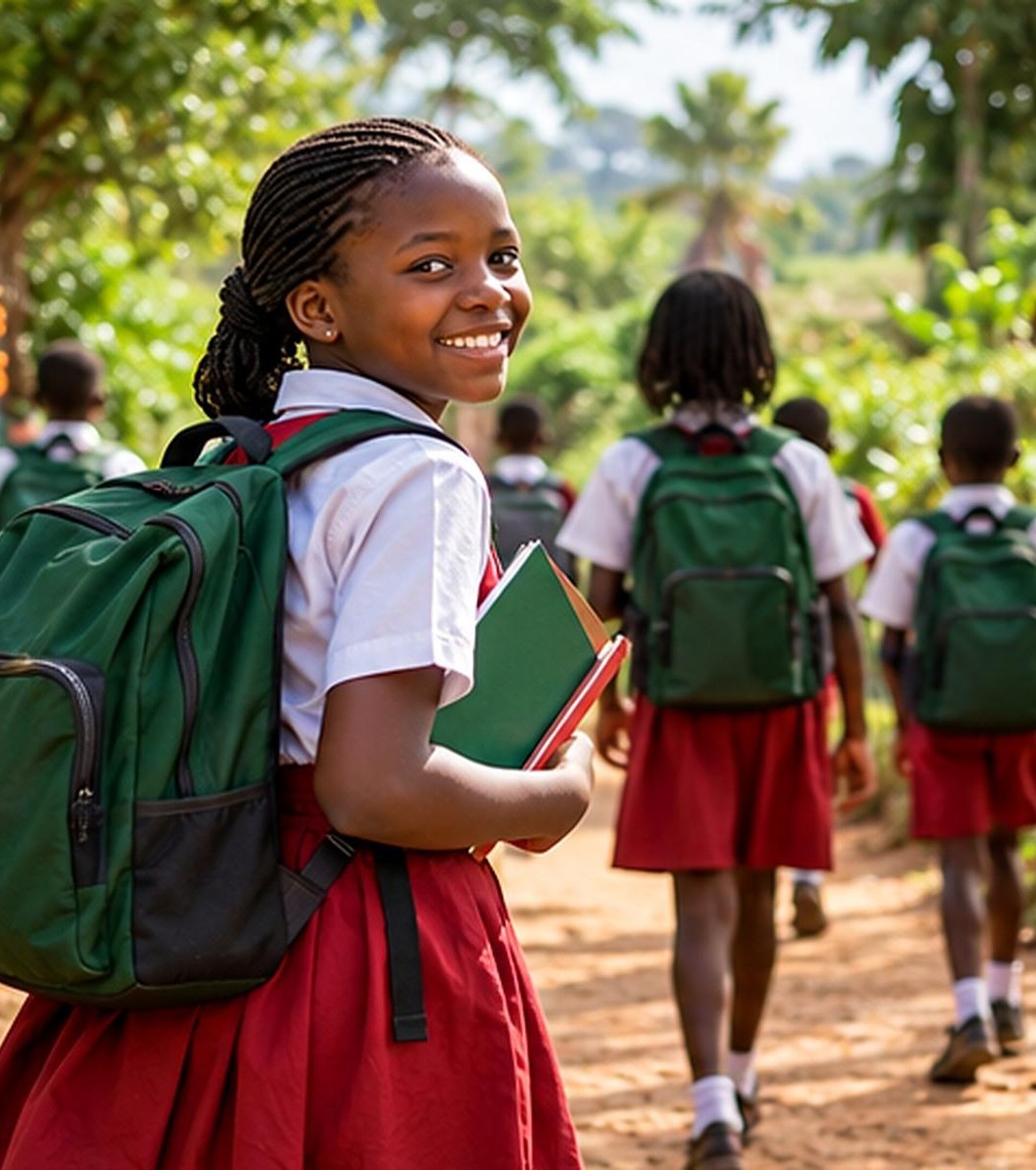
The ability to read, count, question, create and dream transforms a child’s choices. Equitable education means removing the everyday obstacles that keep children away from school.
For some children, the barrier is a uniform, books or the cost of travelling to school. For others, it is interrupted learning, a disability, household responsibilities or the absence of safe, supportive teaching.
01 Access & essentials Learning packs, basic supplies, uniforms, accessible transport planning and school-readiness support.
02 Learning recovery Reading groups, practical numeracy support, homework clubs and transition mentoring.
03 Supportive environments Child-friendly classrooms, positive discipline, trained adults and safe, inclusive learning spaces.
04 Stay in school Attendance check-ins, caregiver engagement and early action when a child is at risk of dropping out.
Age-appropriate literacy support and reading materials that build confidence.
Community learning clubs, peer support and family learning activities.
Practical help through transitions, setbacks and interrupted schooling.
Prevention also means learning from children and communities: safe routes to school, reliable supervision, inclusive play and clear standards of behaviour can all help reduce exposure to avoidable harm.
An inclusive approach asks a simple question: what needs to change so this child can participate, feel safe and succeed?
01 Girls’ education Work with caregivers and local leaders to address unsafe routes, period poverty, early marriage risk and harmful expectations.
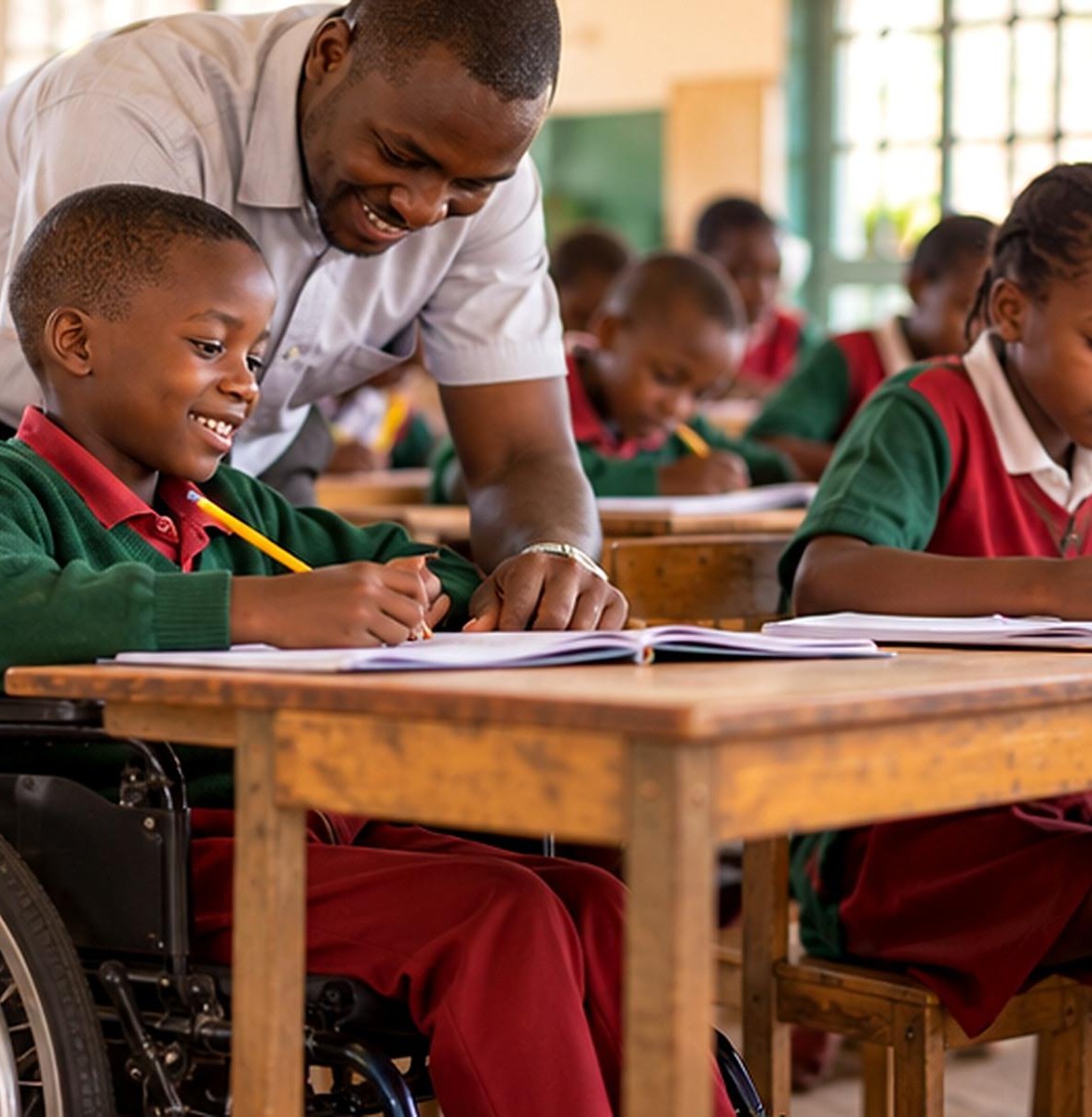
02 Disability inclusion Promote reasonable adjustments, accessible learning materials, individual support and respectful participation.
03 Family partnership Recognise household pressures and help carers create routines that encourage attendance, wellbeing and learning.
04 Children’s voice Involve children in age-appropriate decisions, feedback and programme design while protecting their privacy.
Track attendance, learning participation, safe referrals, caregiver feedback and accessibility improvements — with consent, appropriate safeguarding controls and an emphasis on outcomes rather than unsupported headline figures.
Inclusion is more than admission to a classroom. It requires children to participate fully in learning, friendship, play and decisions, supported by adjustments that fit their individual circumstances and by adults who actively challenge stigma.
The scenarios below show how integrated protection and education support could work. They are illustrative composites, not verified accounts of Rescue Mission beneficiaries.
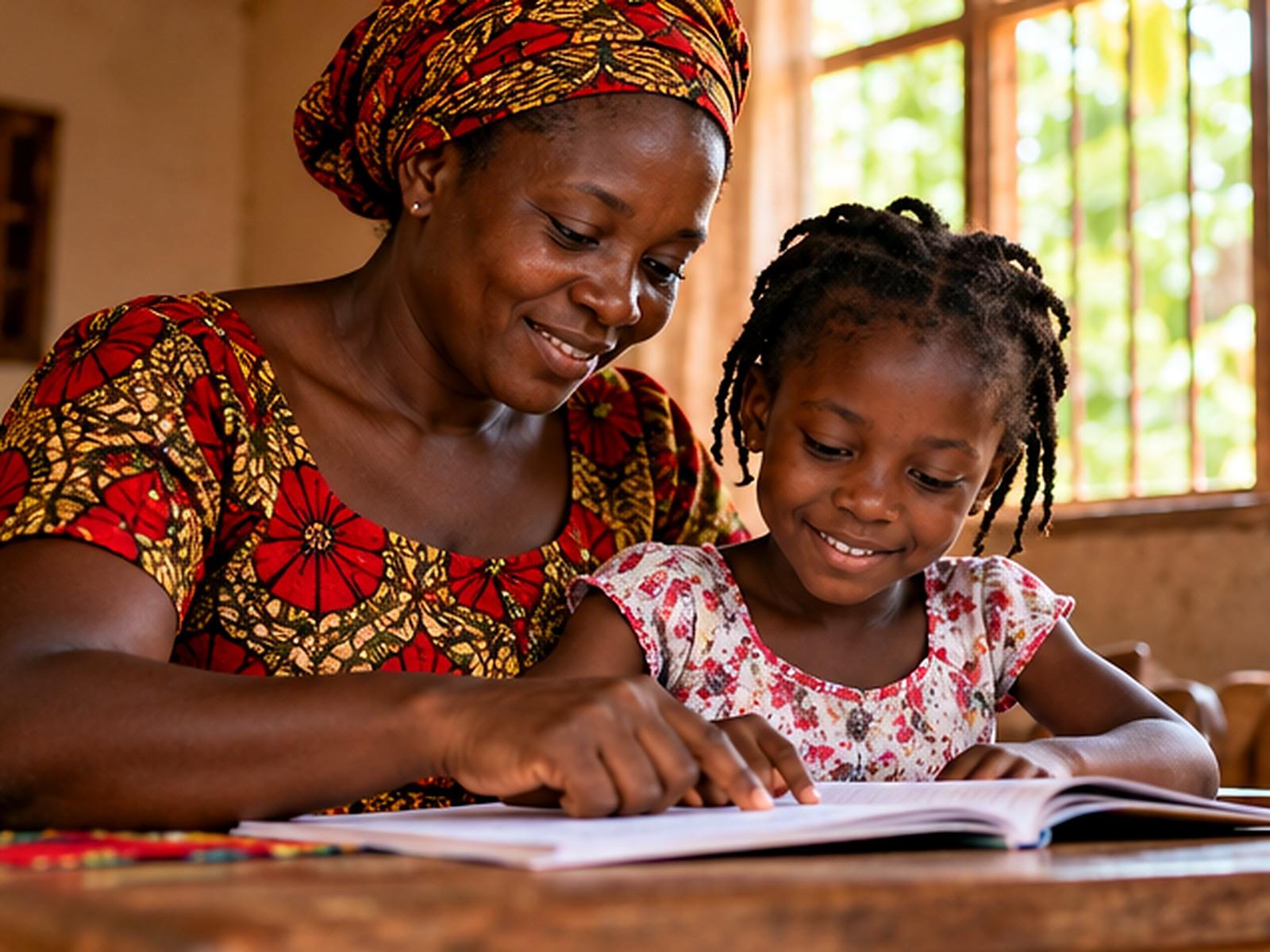
A nine-year-old girl begins missing lessons when her family experiences financial strain. She feels embarrassed about returning without supplies. A community education partner listens to her caregiver, discusses the situation sensitively with the school and arranges appropriate learning materials.
With a welcoming return-to-school plan, regular caregiver check-ins and a home reading routine, the child begins to rebuild confidence and attendance. The lesson: simple support works best when adults act together.
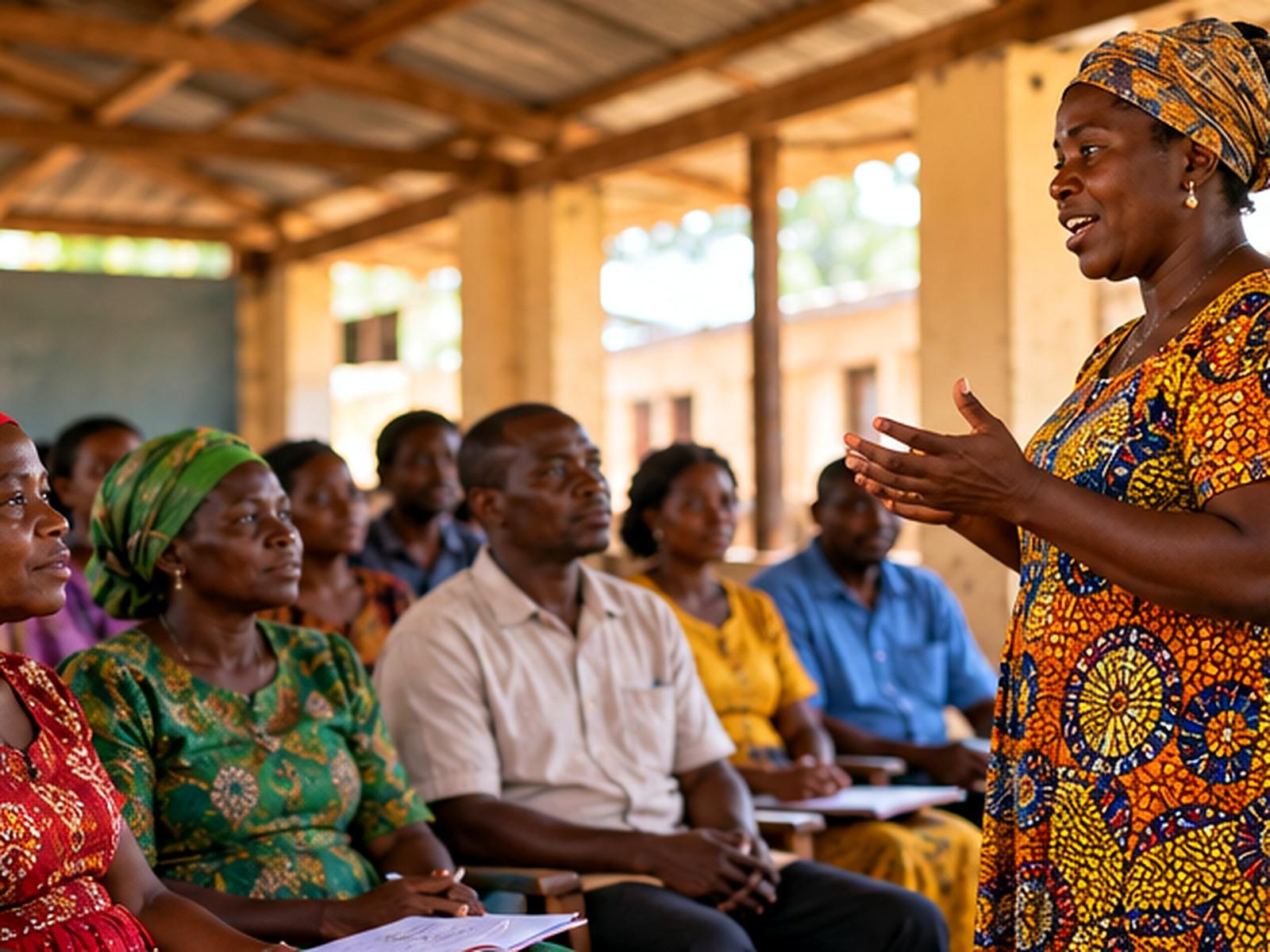
In a community where adults are unsure how to raise child-safety concerns, caregivers request practical guidance. A local partner convenes a small session on children’s rights, warning signs and respectful reporting. Clear information is provided about qualified services and urgent-response routes.
Caregivers leave knowing whom to contact and why privacy matters. The lesson: safeguarding confidence grows through accessible information, careful listening and an accountable referral network.
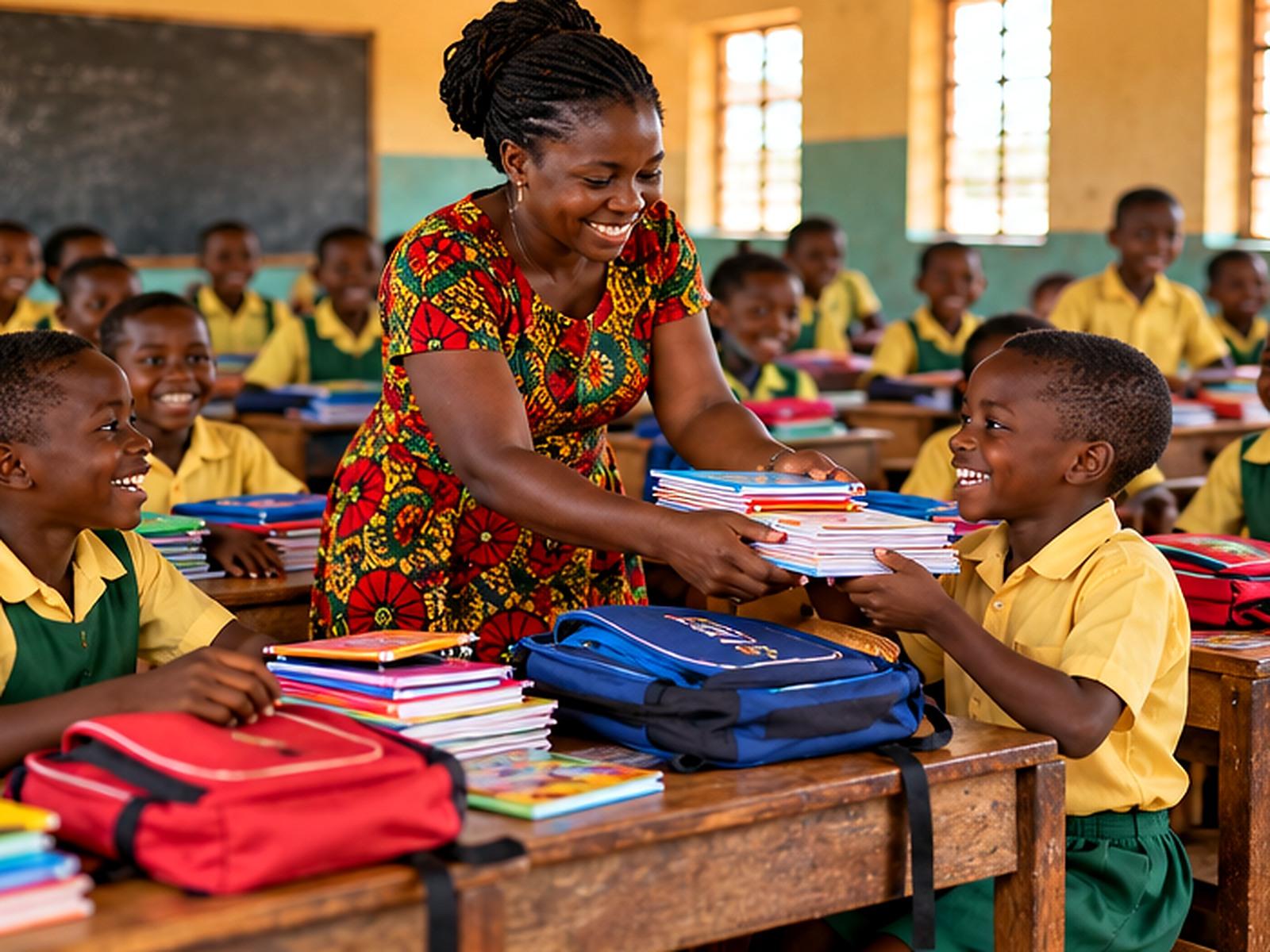
A primary-school pupil is keen to learn but has few books, shares a pen with siblings and struggles to complete assignments. After a confidential needs conversation, a local initiative arranges a starter pack and links the family with a supervised reading club.
The child begins practising daily and joins lessons with greater confidence. The longer-term goal is not a one-off gift: it is improved participation and consistent learning support, reviewed with the family and school.
Document who was supported, which needs were identified and which services were provided.
Use age-appropriate learning checks, attendance trends and child/caregiver feedback.
Review safeguarding practice, partner quality, inclusion and the sustainability of support.
A credible impact story includes what was learned as well as what succeeded. Partners should review concerns, accept feedback, protect personal data, and improve how support is designed with children and caregivers.
There is no single way to change a childhood. A gift, a skill, a connection or a shared commitment can create the support a child needs at the right time.
01 Donate now Give a one-time or regular gift to help fund child-centred protection, school access and practical learning support.
02 Volunteer or share expertise Offer appropriate skills, mentoring, programme assistance or professional guidance subject to safeguarding checks.
03 Become a partner Schools, community groups, companies and institutions can explore sustainable, locally informed collaborations.
04 Advocate for children Share responsible messages about safety, inclusive education and the right of every child to learn.
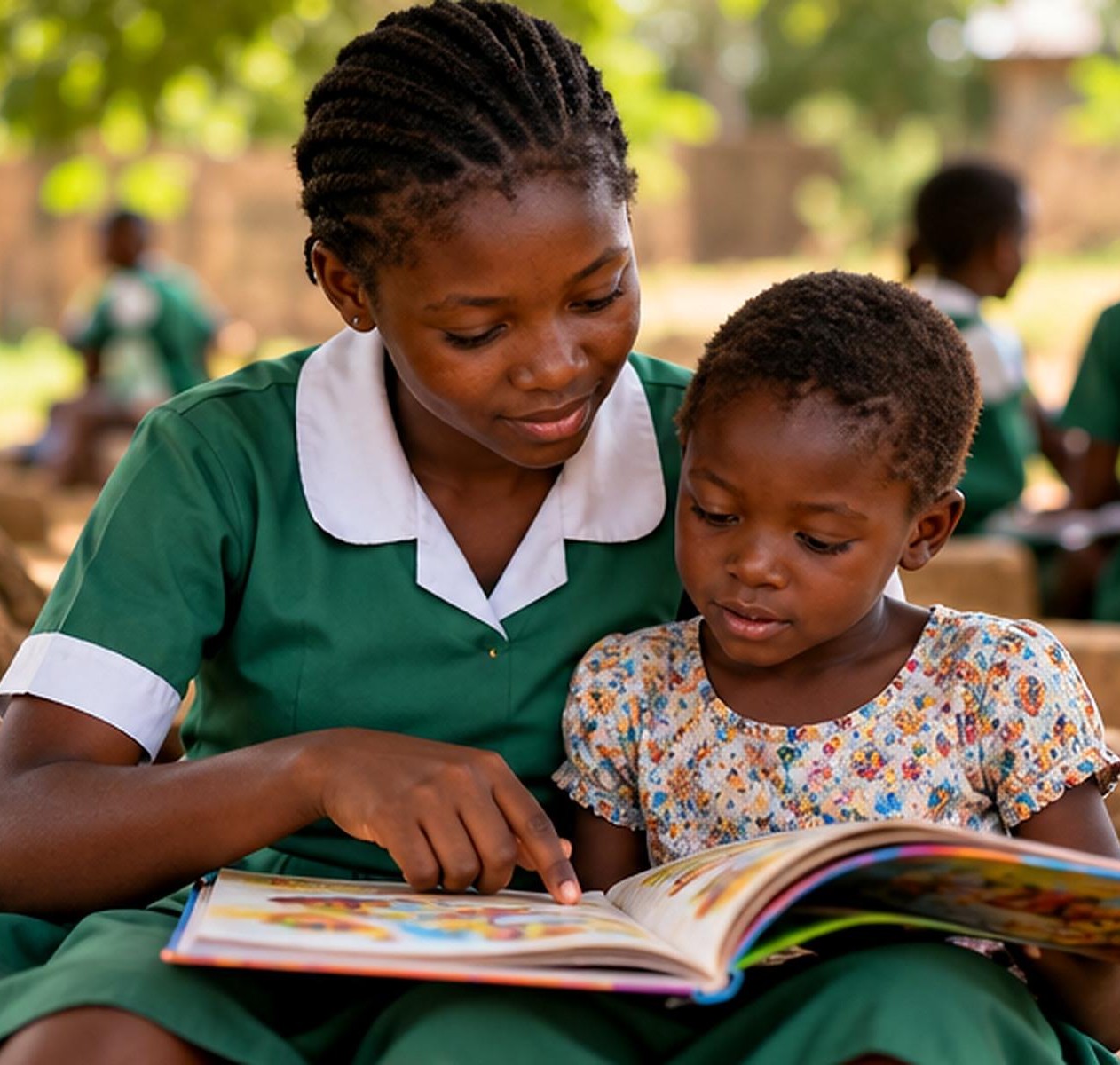
Help make safe environments, books and continued learning support possible.
Start a conversation about volunteering, fundraising or partnership.
For funders and partners, the next step is to agree a specific need, suitable safeguarding arrangements, a practical delivery plan and clear reporting expectations. Local participation should guide every stage.
Website publishing note: insert Rescue Mission’s approved donation, volunteering and contact links into the calls to action before going live. All imagery in this design is AI-generated and illustrative; case studies are fictional composites and should be replaced with verified, consented accounts for public reporting.
Bringing Hope, Protecting Children and Building Stronger Communities.
Rescue Mission is a registered company limited by guarantee (Company No. 10413275) Registered Charity No. 1196944 (England & Wales) 20-22 Wenlock Road, London, N1 7GU, England, United Kingdom