Responding to drought, floods and climate-related displacement.
Changing weather patterns and extreme events can intensify existing poverty and displacement. Rescue Mission’s emergency page recognises the increasing risks created by climate change and the importance of communities being better prepared.
Severe drought can undermine farming and access to water, while flooding or storms can destroy homes and productive land. These pressures may force people to move or make it harder to recover from earlier crises.
Rescue Mission’s published emergency approach combines timely relief with preparation and longer-term recovery. The emphasis is on understanding conditions locally and supporting communities to regain stability.
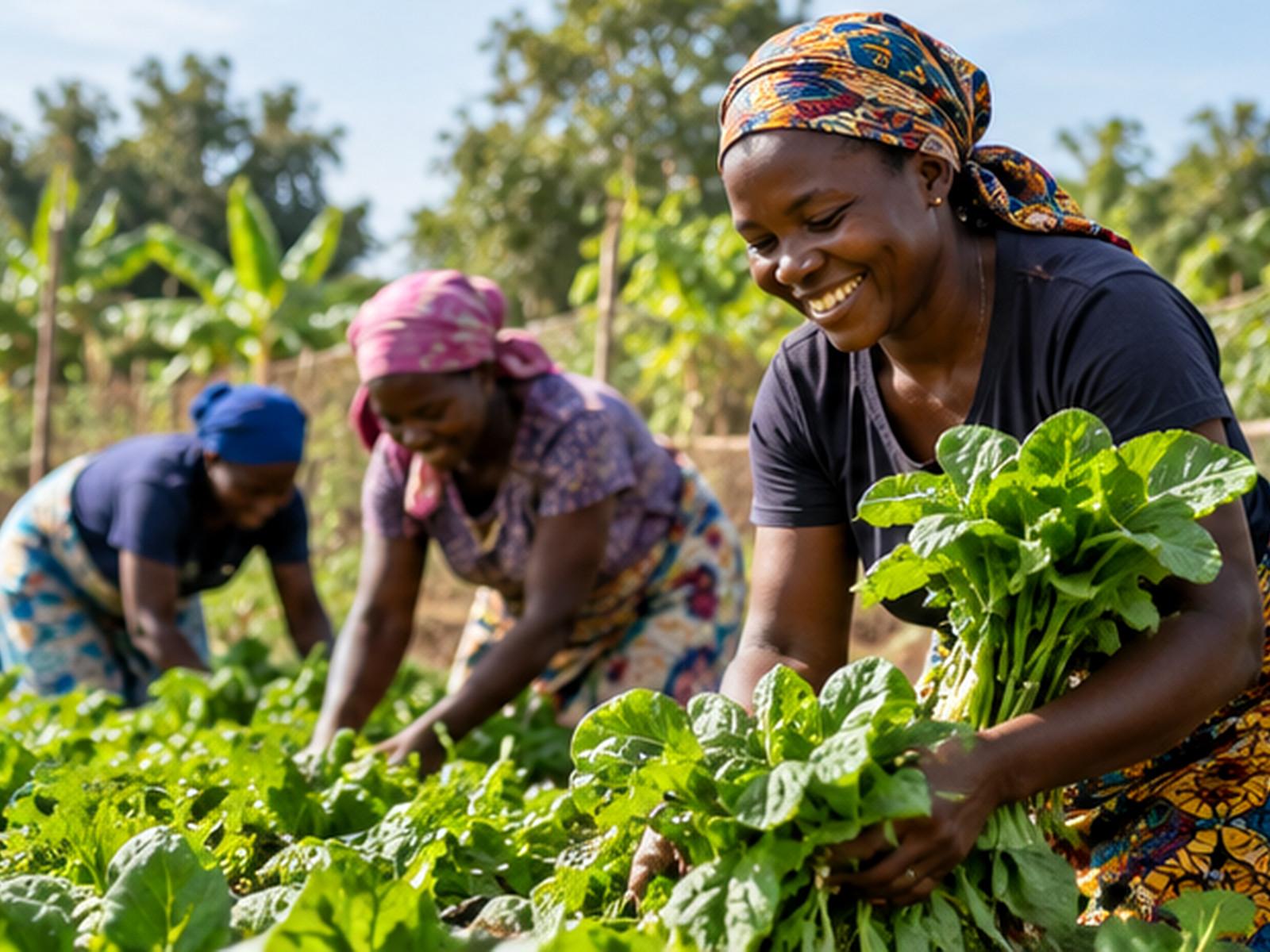
The right support depends on the crisis, access conditions and what affected communities identify as priorities.
Community-led response can connect immediate water and food needs to decisions about land, shelter and future risk. Local knowledge of seasons, routes and livelihoods helps make that work more relevant.
Adaptation is not a single delivery. Communities may need practical ways to reduce the effects of drought, flooding and unreliable resources over time.
Priorities should be reviewed as the emergency evolves. Practical help is most useful when it reaches the right people, at the right time, in a safe and dignified way.
Emergency needs overlap. A useful response connects practical assistance to the longer-term conditions people face.
• Keep local needs and safe access at the centre of planning.
• Recognise that risks can change after the initial disaster or displacement.
• Link immediate essential support to recovery, dignity and preparedness.
Rescue Mission’s emergency page identifies the Horn of Africa as a region experiencing drought, high temperatures and overlapping pressure from conflict. It describes the importance of basic needs and working with decision-makers. This is a crisis-context summary without invented project outcomes.
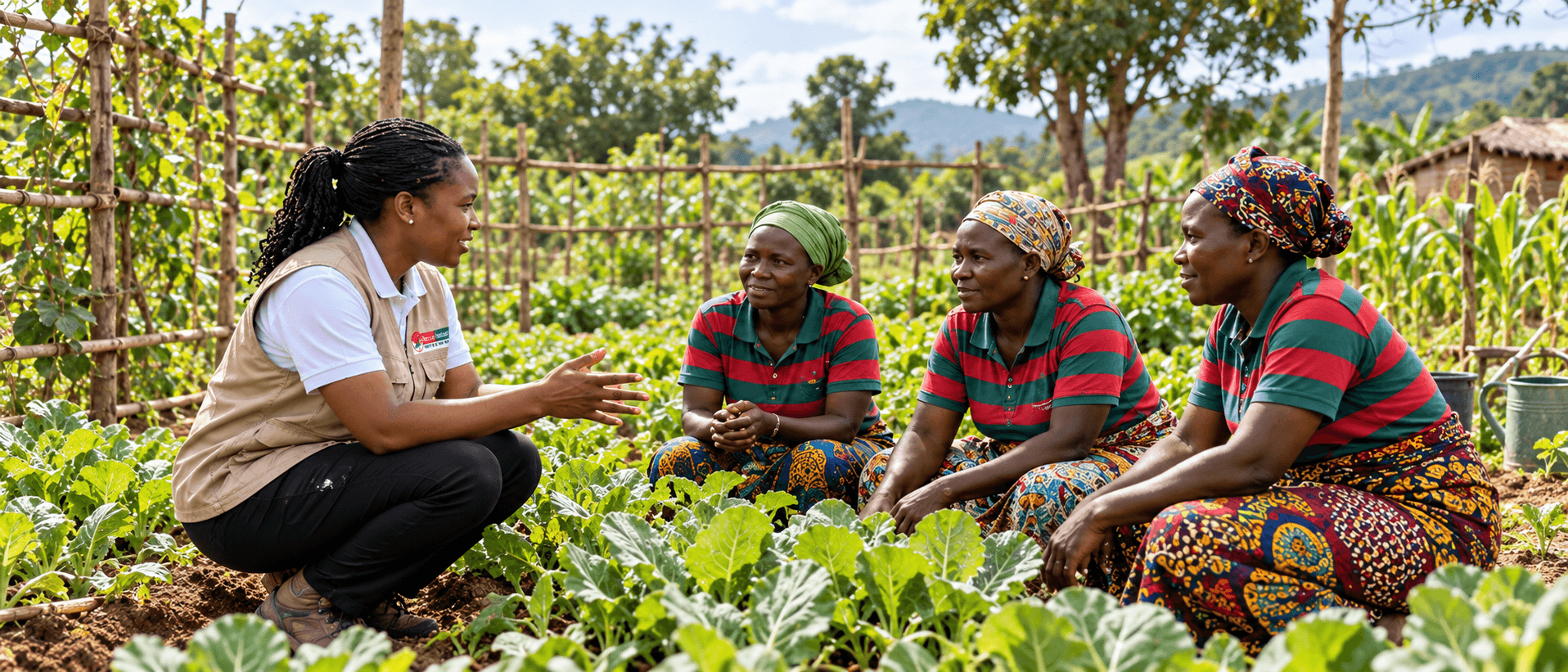
CRISIS CONTEXT: DROUGHT IN THE HORN OF AFRICA
Rescue Mission’s emergency page identifies the Horn of Africa as a region experiencing drought, high temperatures and overlapping pressure from conflict. It describes the importance of basic needs and working with decision-makers. This is a crisis-context summary without invented project outcomes.
The source names crises and describes needs. This concept page does not invent an individual’s identity, a first-person testimonial or unverified figures for Rescue Mission projects.
Working with local people helps define what is needed, how support should reach communities and what recovery should look like.
People facing changing local conditions are essential partners in defining what resilience means. Farmers, women’s groups and other community leaders can identify realistic priorities.
Listening, coordination and informed decisions help make aid more practical and respectful.
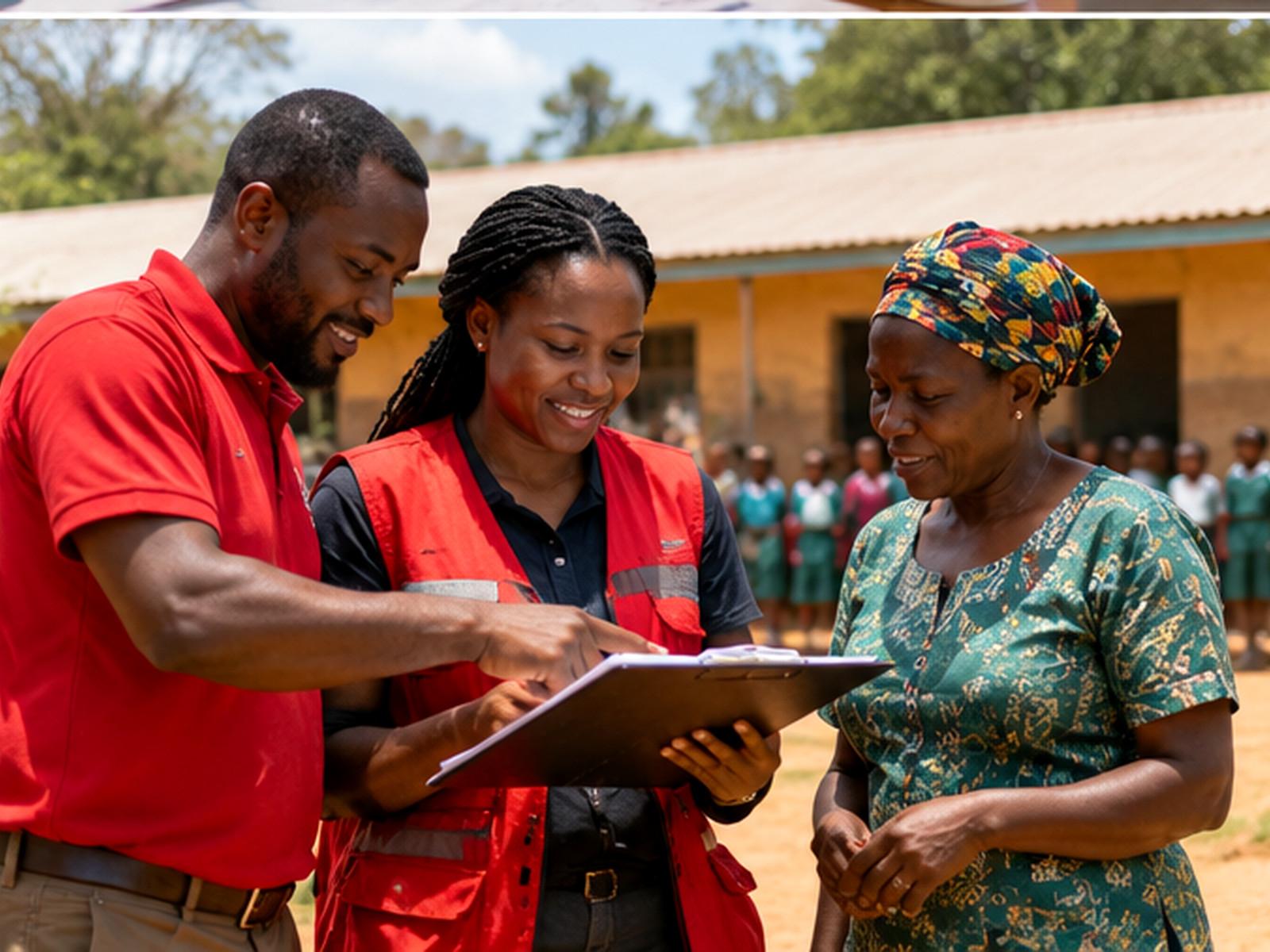
Rescue Mission describes training local staff and community members in disaster preparedness, along with local-led decisions during response and recovery.
Over time, resilience means recovering livelihoods and strengthening the ability of communities to meet the next climate shock.
The work of rebuilding may involve livelihood support, safer services, local planning and disaster risk reduction. Rescue Mission’s published material places this continuing work alongside the first emergency response.
Support climate-related emergency relief and the building of stronger communities.
Bringing Hope, Protecting Children and Building Stronger Communities.
Rescue Mission is a registered company limited by guarantee (Company No. 10413275) Registered Charity No. 1196944 (England & Wales) 20-22 Wenlock Road, London, N1 7GU, England, United Kingdom
