Humanitarian support when violence disrupts everyday life.
Conflict can cause sudden displacement, food shortages, disrupted healthcare and prolonged insecurity. Rescue Mission’s emergency material highlights people affected by conflict and the need for sustained support beyond immediate survival.
Where conflict affects communities, access can change without warning and services may stop functioning. People may need essential items, safe shelter and ways to reconnect with support.
The right support depends on the crisis, access conditions and what affected communities identify as priorities.
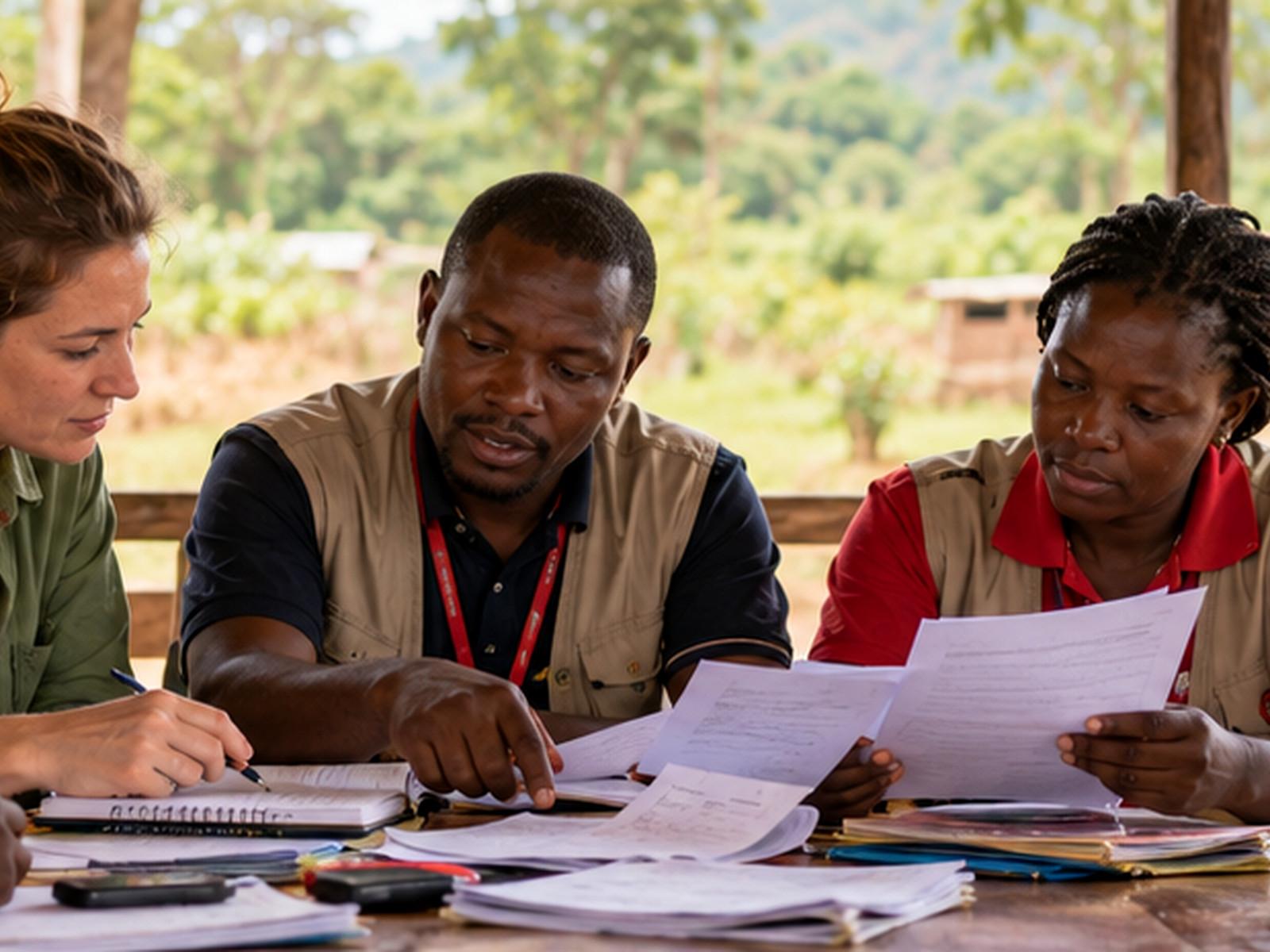
The right support depends on the crisis, access conditions and what affected communities identify as priorities.
Assistance must take account of insecurity, movements of people and the closure of normal services. Local partners can help responders understand safe routes and the changing needs of different groups.
People living through violence may need continued support after an initial delivery. The aim is to connect urgent assistance with opportunities for safer, more stable living conditions.
Priorities should be reviewed as the emergency evolves. Practical help is most useful when it reaches the right people, at the right time, in a safe and dignified way.
Emergency needs overlap. A useful response connects practical assistance to the longer-term conditions people face.
• Keep local needs and safe access at the centre of planning.
• Recognise that risks can change after the initial disaster or displacement.
• Link immediate essential support to recovery, dignity and preparedness.
Rescue Mission’s emergency page discusses the humanitarian effects of prolonged conflict in Yemen and Syria, including displacement, shortages and loss of livelihoods. These are examples named on its website; no beneficiary identity or unverified delivery statistic is presented here.
Rescue Mission’s emergency page discusses the humanitarian effects of prolonged conflict in Yemen and Syria, including displacement, shortages and loss of livelihoods. These are examples named on its website; no beneficiary identity or unverified delivery statistic is presented here.
The source names crises and describes needs. This concept page does not invent an individual’s identity, a first-person testimonial or unverified figures for Rescue Mission projects.
Working with local people helps define what is needed, how support should reach communities and what recovery should look like.
Trust and community consultation are particularly important during insecurity. Decisions about what to distribute, when and where should reflect real local knowledge and avoid unnecessary exclusion.
Listening, coordination and informed decisions help make aid more practical and respectful.
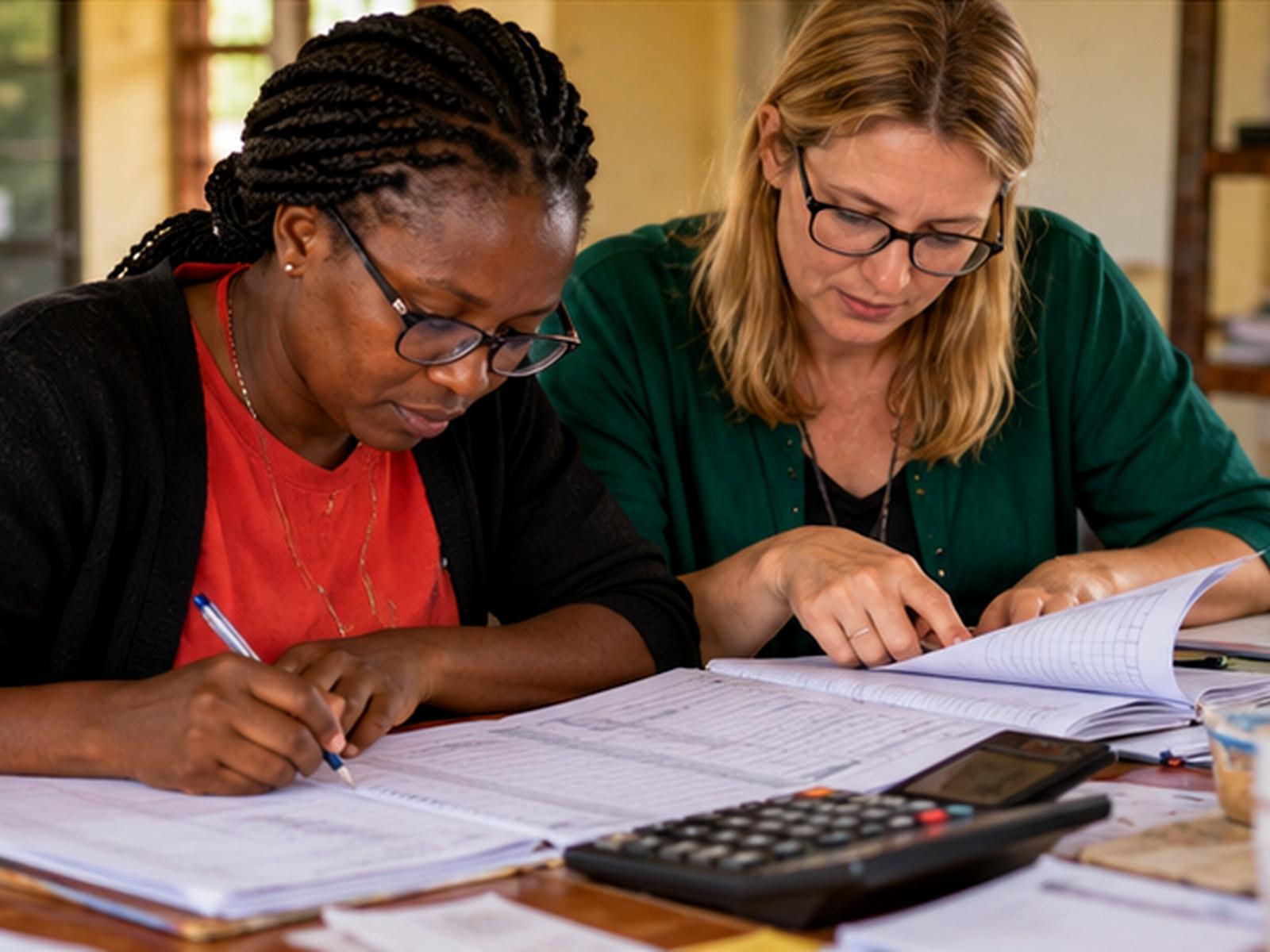
Rescue Mission describes training local staff and community members in disaster preparedness, along with local-led decisions during response and recovery.
When conditions allow, attention can turn to restoring livelihoods, re-establishing connections and supporting communities through a prolonged recovery.
The work of rebuilding may involve livelihood support, safer services, local planning and disaster risk reduction. Rescue Mission’s published material places this continuing work alongside the first emergency response.
Help sustain humanitarian support for people affected by conflict and instability.
Bringing Hope, Protecting Children and Building Stronger Communities.
Rescue Mission is a registered company limited by guarantee (Company No. 10413275) Registered Charity No. 1196944 (England & Wales) 20-22 Wenlock Road, London, N1 7GU, England, United Kingdom
