Food security. Essential healthcare. Clean water. Life-changing support.
Rescue Mission works with communities and partners to connect urgent care with practical action that supports lasting wellbeing.
Your involvement can help turn human compassion into reliable, dignified support.
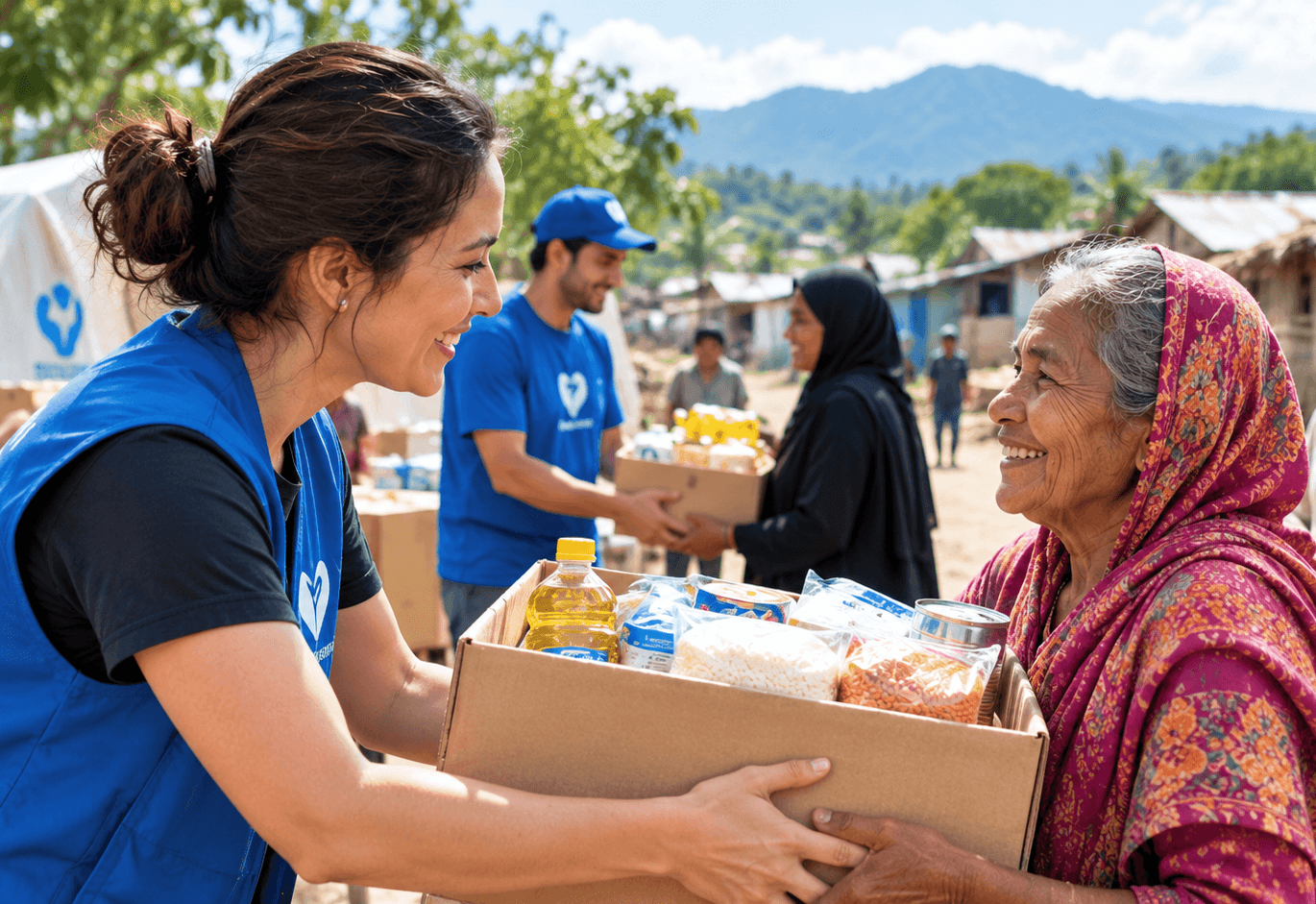
Support families facing hunger with food access, nutrition advice and resilient local food systems.
Help strengthen primary healthcare, maternal wellbeing and access to timely referrals.
Promote safe water, hygiene, protection and community-led responses to crisis.
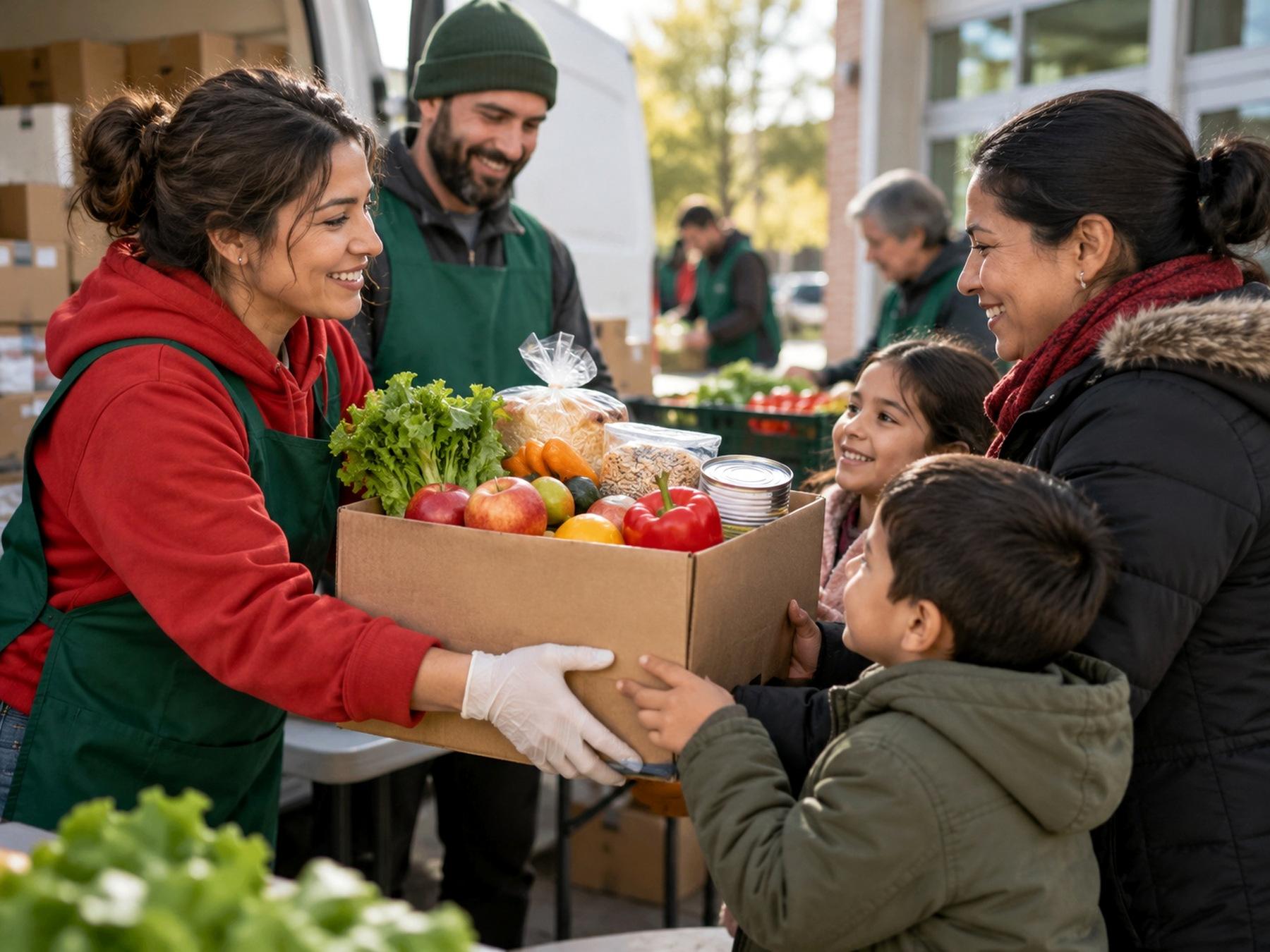
Nutritious food supports healthy growth, learning, recovery and a family’s ability to plan beyond the next meal.
Households affected by low income, disrupted livelihoods or displacement may struggle to buy a varied diet. Young children, expectant mothers and people with chronic illness face particular nutritional risks.
A well-designed response can connect emergency food support with nutrition guidance, breastfeeding support, locally available foods and referrals where acute malnutrition is suspected.
Rescue Mission’s approach aims to combine immediate relief with practical steps that leave families better equipped to secure nutritious food over time.
SUPPORT PRIORITIES
Make support accessible, respectful and informed by households’ preferences.
Prioritise nutrition during pregnancy, infancy and early childhood.
Connect short-term assistance with growing, budgeting and food skills.
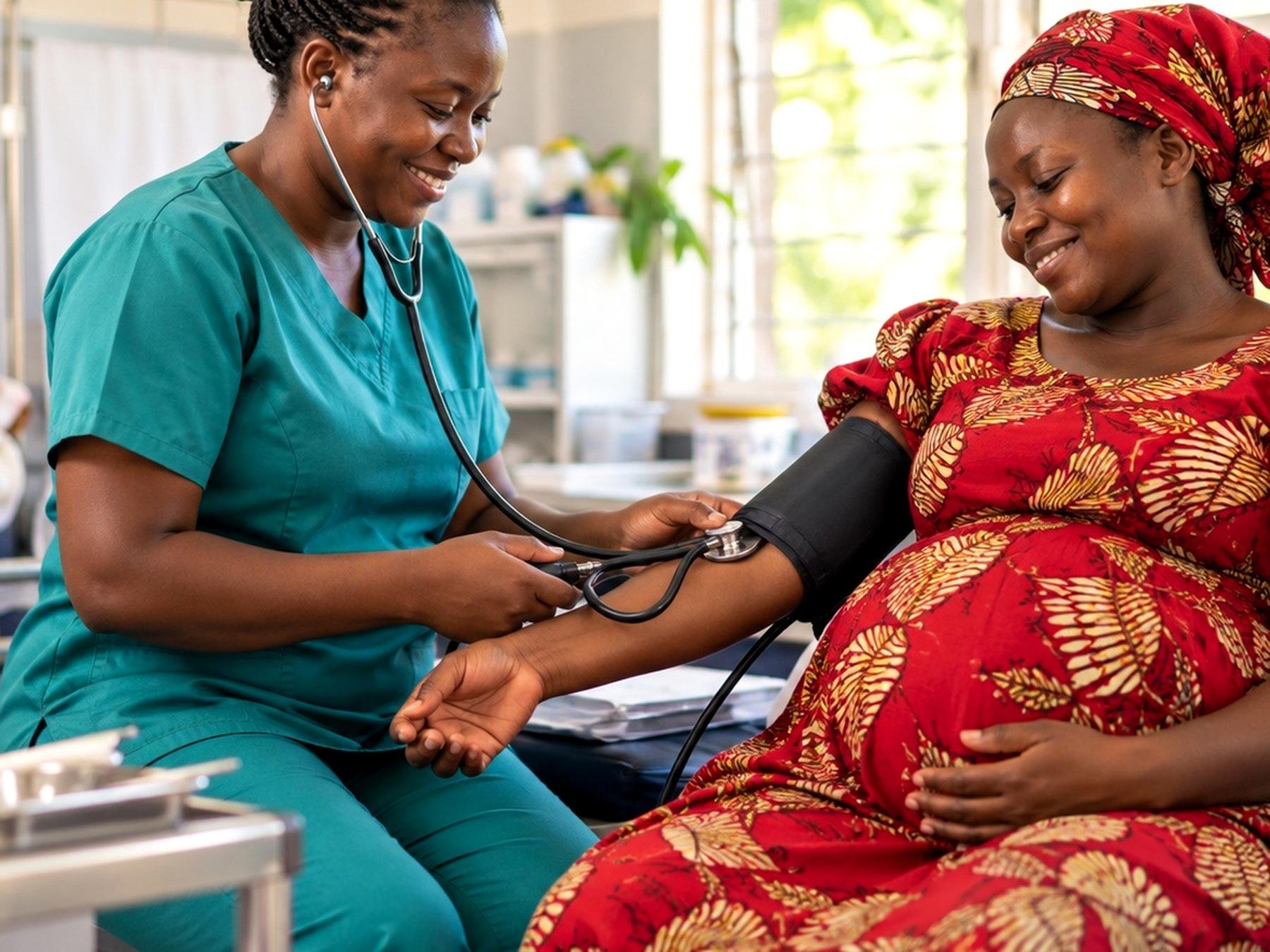
A trusted first point of care can change the path of a pregnancy, childhood illness or preventable health problem.
When clinics are distant, transport is costly or health information is limited, families may delay seeking treatment. Timely, respectful support should make it easier to recognise warning signs and access qualified health professionals.
Maternal and child health priorities include antenatal and postnatal care, vaccination information, nutrition, safe referral pathways and health education based on local clinical guidance.
Community involvement is essential: practical health promotion works best when families have accurate information, confidentiality and real choices.
WHAT STRONGER ACCESS LOOKS LIKE
Share credible information on hygiene, nutrition and routine health needs.
Help families find appropriate qualified care without unsafe promises.
Recognise barriers faced by isolated households and disabled people.
Your support can help strengthen pathways to essential healthcare.
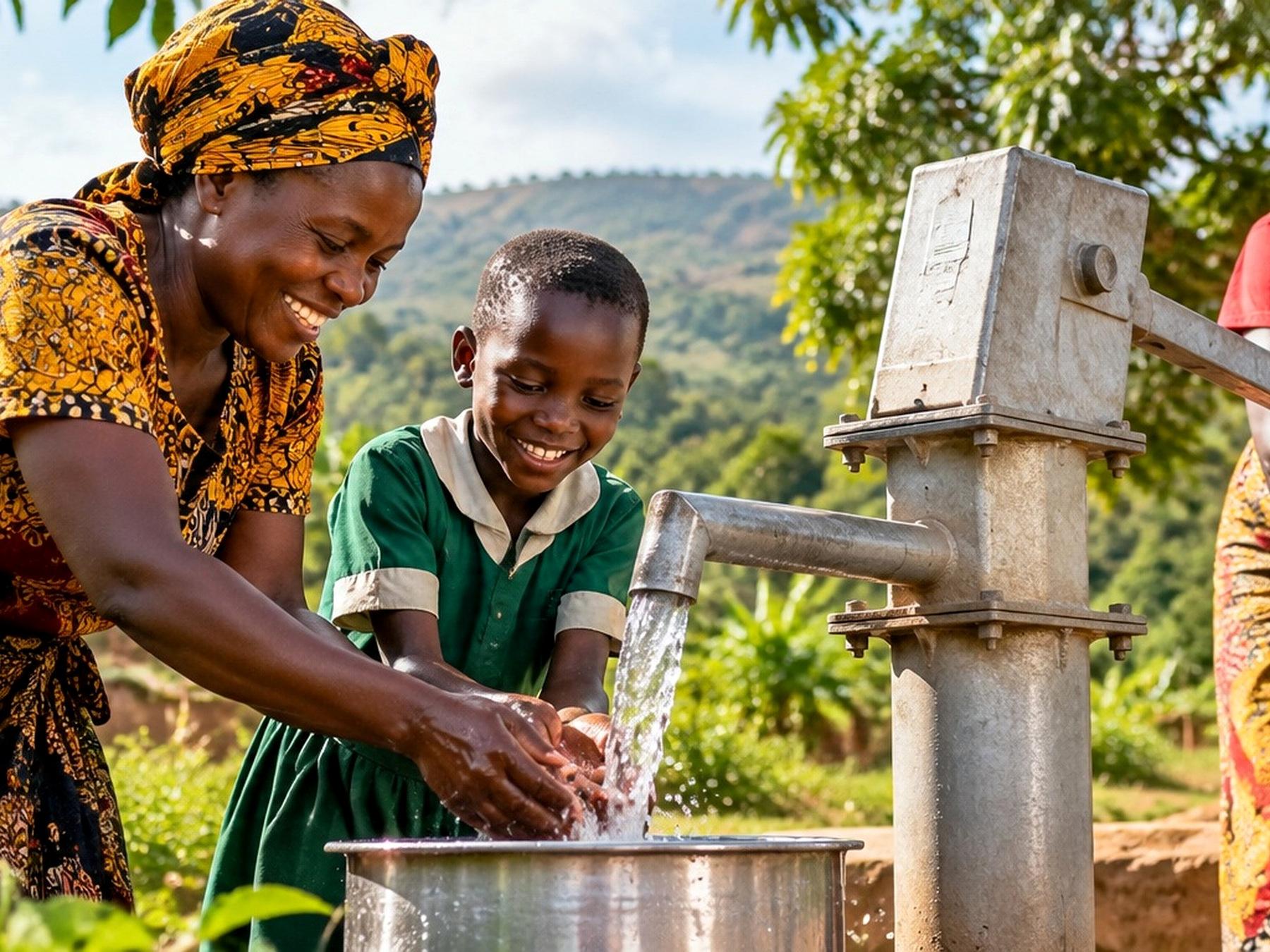
Safe water and practical hygiene are foundations for health, dignity, education and community resilience.
Unsafe drinking water and poor sanitation increase preventable illness and place additional demands on households. The time spent collecting water can also reduce opportunities for work, education and family life.
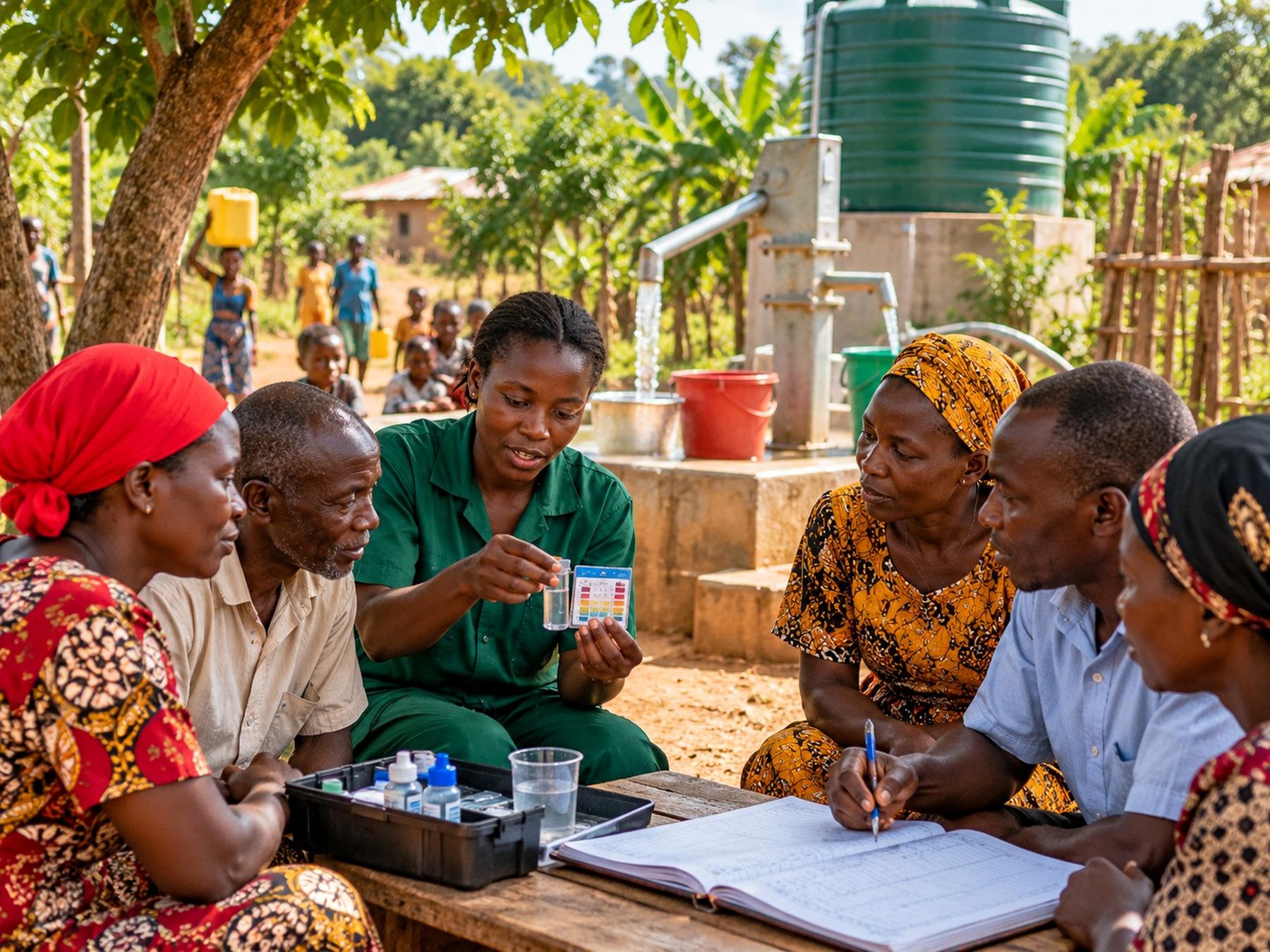
Effective water, sanitation and hygiene (WASH) efforts consider safe collection, storage and treatment, handwashing facilities, inclusive sanitation and long-term maintenance from the beginning.
Working alongside local residents to identify practical solutions helps facilities remain useful after installation and encourages shared responsibility for their care.
PRACTICAL FOCUS
• Safer water collection, use and storage
• Handwashing and hygiene promotion
• Locally managed maintenance and inclusion
Make access safer and reduce avoidable journeys where possible.
Encourage clean storage, handwashing and safer sanitation.
Build maintenance planning into every sustainable solution.
Support practical water and hygiene solutions for families and communities.
Life-saving support is most effective when it begins with listening and continues through recovery.
An emergency can disrupt food supplies, healthcare, transport and clean water at the same time. Families may also face heightened risks of exploitation, unsafe living conditions or exclusion from available services.
A responsible response assesses needs with the community, prioritises people at greatest risk, shares clear information, respects consent and coordinates with appropriate local partners.
Rescue Mission’s wider support model brings together practical help, safeguarding, inclusion and longer-term recovery rather than treating urgent needs as isolated problems.
HOW ACTION IS ORGANISED
Start with local knowledge and accessible information.
Put dignity, child protection and accountability first.
Connect emergency help with health, water and livelihoods.
Give, fundraise or explore partnership to help practical support reach further.
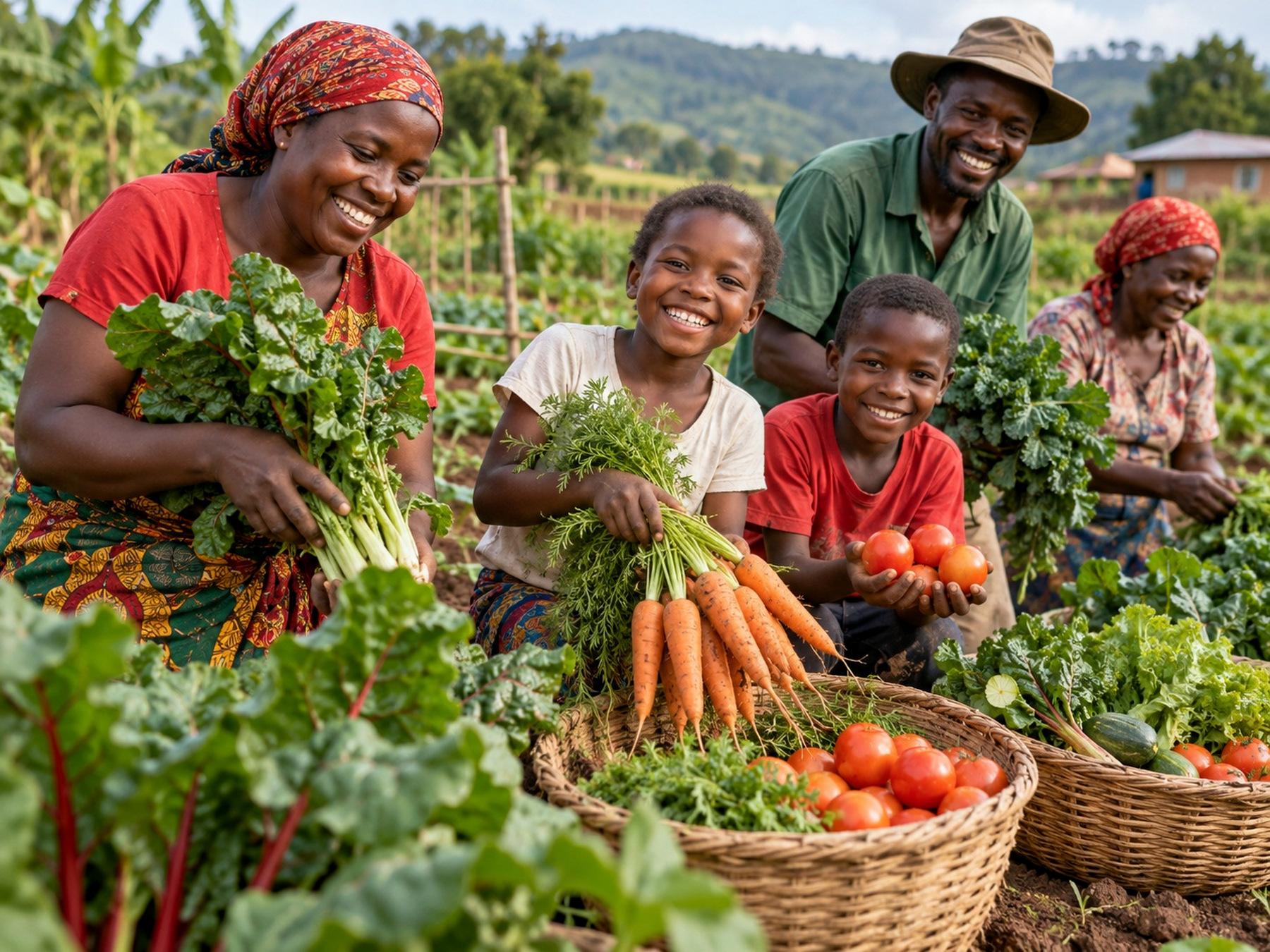
A fictional, composite scenario showing how practical food support and follow-up can work together. Not a verified Rescue Mission beneficiary account.
Amina is caring for two school-age children while irregular work makes the household food budget unpredictable. She sometimes skips her own meals so the children can eat, and struggles to afford fresh produce.
In this illustrative scenario, a community partner starts with a confidential conversation and a short-term food plan. The family receives appropriate staples and information about affordable, locally available nutritious foods.
As circumstances stabilise, follow-up focuses on food budgeting, access to community support and identifying any health or safeguarding concerns that need specialist attention.
LEARNING FROM THE SCENARIO
Uncertain income makes regular, nutritious meals difficult.
Food access, nutrition information and a tailored support plan.
Improved stability, choice and connections to local help.
A donation can support thoughtful, family-centred food assistance.
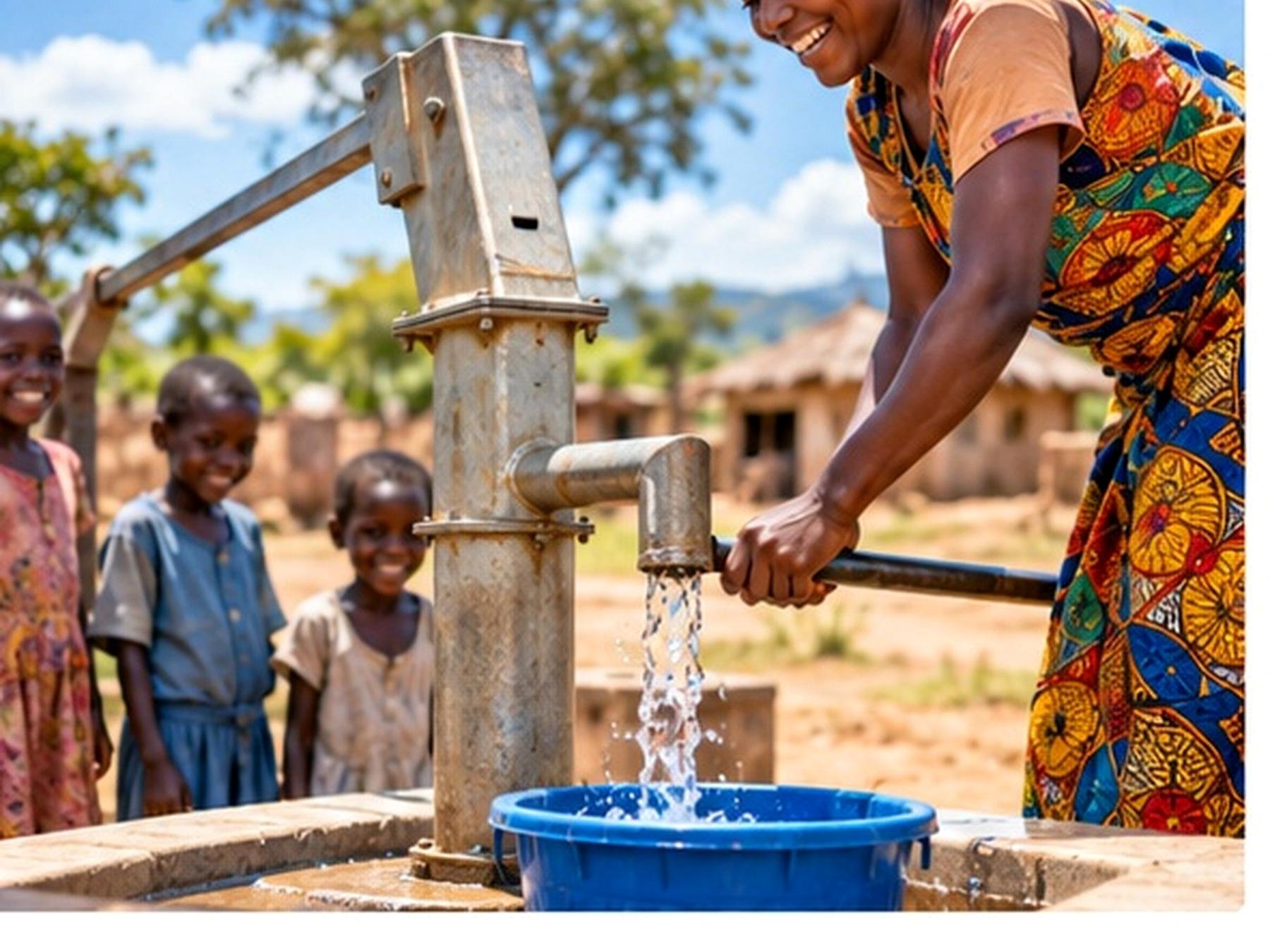
A fictional, composite example of how access to water and local health education can reinforce one another. Not a verified Rescue Mission project record.
After repeated disruptions to an unreliable water source, families in a small rural community must spend longer collecting water. Amina’s neighbour, Grace, worries about diarrhoeal illness among younger children and the time lost from school.
In this illustrative scenario, residents and local technical partners identify a suitable water access option, agree responsibilities for upkeep and organise practical hygiene sessions.
Community feedback is used to check whether the solution is accessible to older residents, people with disabilities and households living farther from the facility.
LEARNING FROM THE SCENARIO
Unreliable water and avoidable health risks.
Community-informed water and hygiene support.
Safer routines and a more resilient community resource.
Help strengthen access, hygiene education and sustainable upkeep.
Whether you give, volunteer, advocate or partner, there is a practical way to stand with people facing hardship.
Donate now
Support food access, healthier lives and safe water with a one-off gift or regular commitment.
Get involved
Explore volunteering, campaigning, community fundraising and workplace giving.
Partner for lasting change
Discuss collaboration, local expertise, practical resources and long-term programme support.
Make a one-off donation or consider steady monthly support for essential services.
Share the mission, build awareness and help others find a meaningful way to act.
Bring a workplace, school, community group or professional network into the effort.
Join Rescue Mission in supporting dignity, wellbeing and opportunity.
Bringing Hope, Protecting Children and Building Stronger Communities.
Rescue Mission is a registered company limited by guarantee (Company No. 10413275) Registered Charity No. 1196944 (England & Wales) 20-22 Wenlock Road, London, N1 7GU, England, United Kingdom
