Stronger women. Safer girls. Brighter futures.
Every woman and girl deserves safety, education, opportunity and the power to shape her own future. Rescue Mission works alongside communities to challenge poverty and exclusion, strengthen women’s livelihoods and help girls learn, lead and thrive.
Empowerment begins when women and girls are safe, heard and supported to make choices.
Poverty does not affect everyone equally. Girls may experience interrupted schooling, unpaid care responsibilities, pressure to marry young or restrictions on movement. Women may have fewer opportunities to secure training, finance, land or reliable income.
When safety is uncertain or household resources are stretched, education is often the first opportunity to be lost. Skills training alone cannot solve this: women and girls also need trusted support, services that protect their rights and communities that value their participation.
Education Keeping girls learning helps widen their future choices and build confidence.
Protection Reducing exposure to violence and harmful practices is essential to dignity and wellbeing.
Livelihoods Skills, savings and enterprise support can strengthen economic independence.
Voice Women and girls must be able to influence decisions affecting their lives.
A whole-community approach
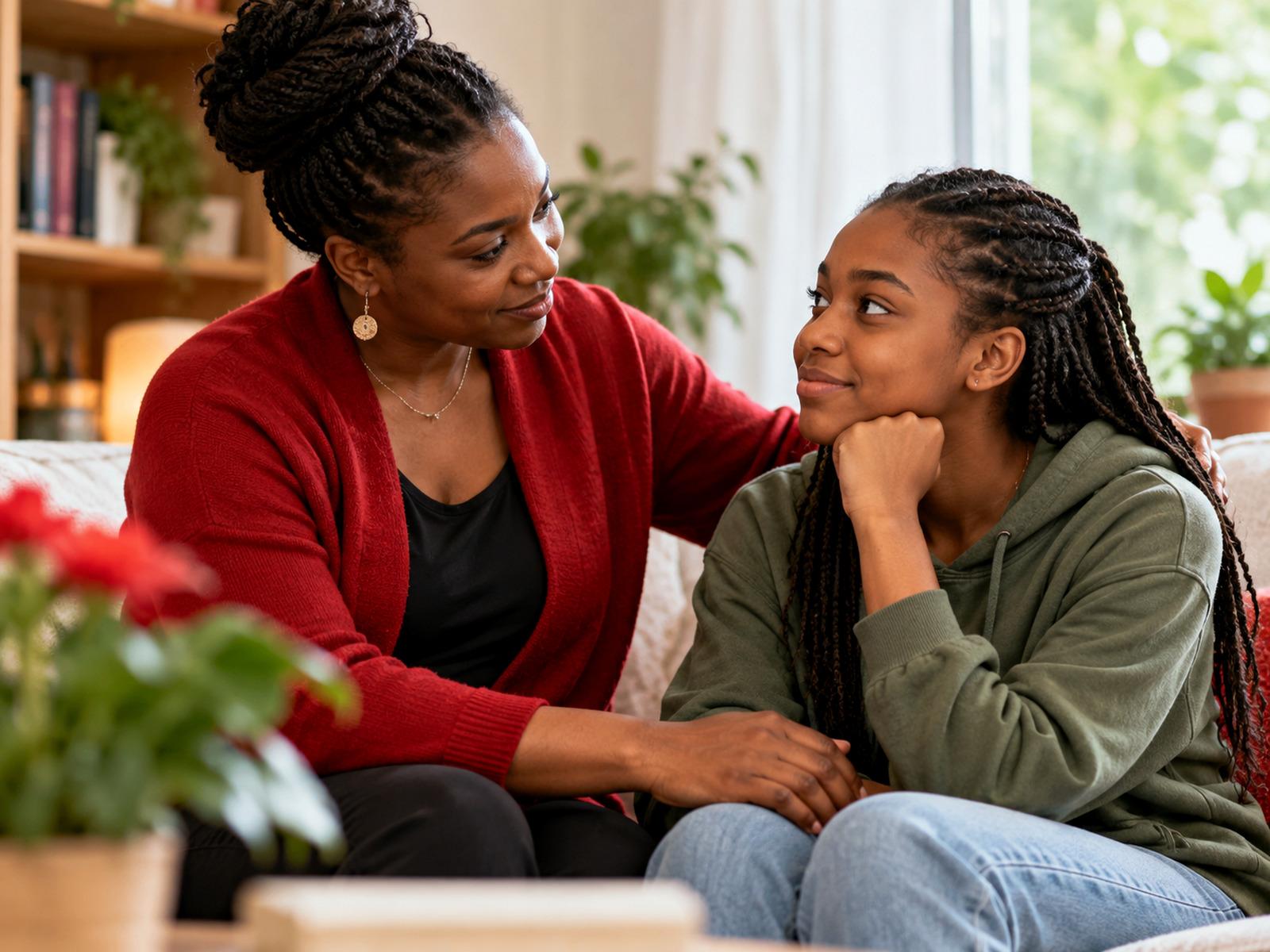
A supportive conversation can be the beginning of renewed confidence.
Rescue Mission’s wider work links education, protection and economic opportunity with partnerships, local knowledge and sustainable community development.
We aim to listen first, protect dignity, avoid doing harm and enable women and girls to participate meaningfully in the support they receive. Our programmes are designed to respond to local priorities and to work alongside families, schools, community leaders and specialist partners.
Girls learning together in a supportive classroom setting.
Learning, mentoring and supportive relationships help girls remain engaged and reach their potential.
Education offers more than academic qualifications. It can help girls develop aspirations, understand their rights, strengthen decision-making and gain the confidence to participate in community life. A girl who is supported to continue learning has more choices about her future.
Our proposed programme content combines practical learning with relationships of trust. Age-appropriate group sessions can explore communication, setting boundaries, healthy relationships, digital safety, self-esteem, problem-solving and pathways into further education or training.
Parents and caregivers are essential allies. Community conversations can address barriers to school attendance, encourage equal expectations for girls and boys, and help families identify locally available support when they face financial pressure.
Girls who feel safer, attend learning consistently, participate confidently and have trusted adults who encourage their ambitions.
Practical skills and access to opportunity can help women support their families with dignity.
Economic empowerment works best when women help shape it. A useful starting point is to understand existing skills, local demand, unpaid care responsibilities, access to tools and barriers such as transport or finance.
Where appropriate, initiatives may focus on tailoring, food production, farming, trading, crafts or other activities chosen by participants and grounded in local demand.
Beyond a training course
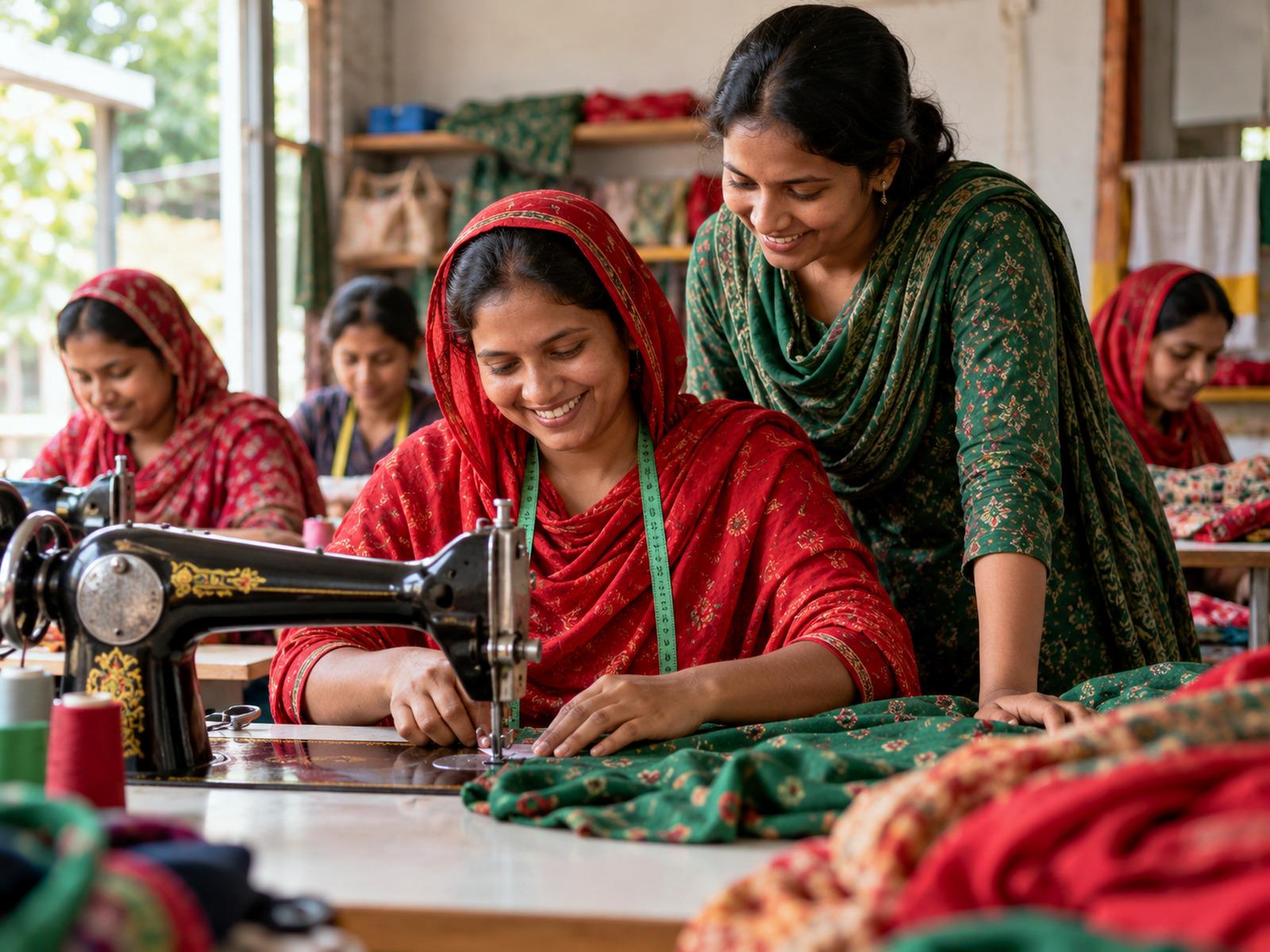
Hands-on training can turn practical skills into livelihood opportunities.
Real independence also depends on safe working conditions, fair opportunities, social networks and the freedom to make decisions about income.
Practical budgeting, record-keeping and savings habits.
Peer networks, local buyers and realistic routes to trade.
Respecting the right to direct earnings and plan ahead.
Leadership starts with being heard
Young women sharing ideas and finding confidence in their own voice.
Peer groups, youth discussions, role models and community forums can help women and girls practice speaking, organising and shaping solutions.
Empowerment must protect rights while creating opportunities for women and girls to lead.
Rescue Mission’s website highlights the importance of addressing harmful practices that restrict girls’ rights, including child marriage and female genital mutilation. Effective responses should be survivor-centred, age-appropriate, culturally sensitive and led with qualified safeguarding partners.
Sustainable change is more likely when local leaders, fathers, mothers and young people work together to challenge discrimination and support girls’ education. Women’s leadership should be visible in community planning, not added as an afterthought.
Identify concerns early and use clear, safe referral pathways.
Offer information and support without pressure or stigma.
Give women and girls meaningful roles in planning and review.
Illustrative scenarios — not verified Rescue Mission beneficiary accounts.
Amina, 15, has missed several months of classes after her family’s circumstances changed. She worries about being behind and feels uncomfortable returning to a classroom where other pupils have moved ahead.
Possible support A trusted mentor meets Amina and her caregiver, agrees realistic learning goals, links her with catch-up tutoring and helps identify basic materials or travel barriers.
Change to look for Improved attendance, stronger confidence, progress in reading and mathematics, and a clearer plan for continued learning.
Grace, a mother of two, is experienced at making simple garments but lacks a reliable sewing machine, information about pricing and opportunities to connect with customers.
Possible support Practical tailoring sessions, a basic costing workbook, a peer savings group and mentoring focused on testing local demand before investing further.
Change to look for Greater control over household finances, improved confidence in managing small orders, and an income activity that can grow at a safe pace.
Why illustrative stories?
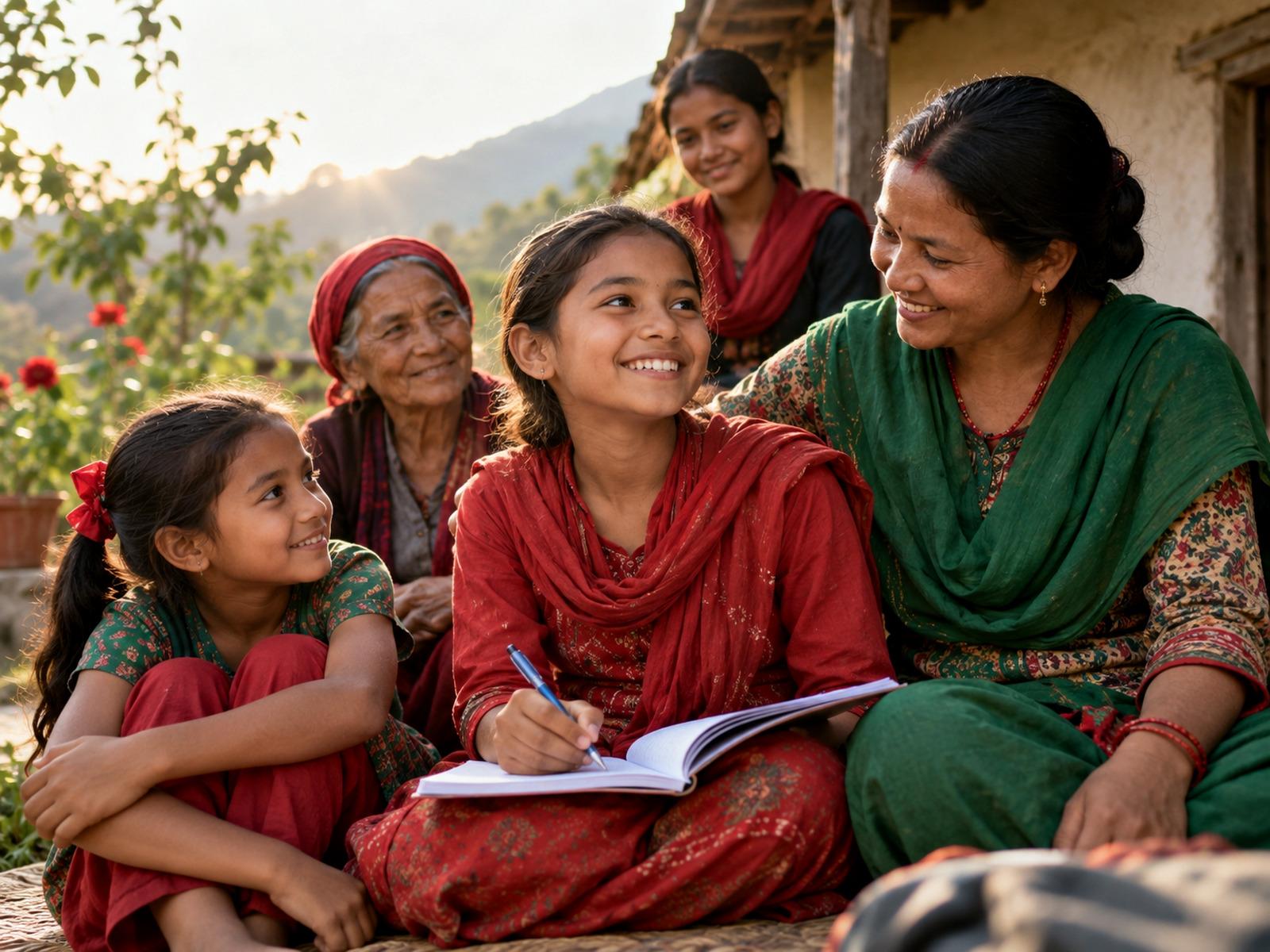
Peer learning and mentoring can strengthen confidence and solidarity.
They show what a person-centred programme might achieve. Before publication, replace these with consented, safeguarded and verified stories from Rescue Mission projects.
Understand priorities, strengths and the barriers a person faces.
Agree realistic actions and connect with appropriate local support.
Check confidence, safety and progress; adapt when needed.
Design principle
Community conversations can bring generations together around shared change.
Listen to participants, agree achievable goals, establish safe referral routes, and regularly review what is working rather than assuming one solution fits everyone.
Illustrative examples demonstrating possible community-led approaches.
Safiya, 16, is under pressure to stop her education and take on responsibilities for which she feels unprepared. She needs someone safe to speak to and a way to understand her options.
Possible support A qualified safeguarding focal point listens without judgement, explains confidentiality and its limits, assesses risk and coordinates appropriate specialist support and education follow-up.
Change to look for Safiya can access trusted support, understands available options and participates safely in decisions concerning her wellbeing.
Mariam joins a women’s discussion group in a community where women have had limited opportunities to speak at local meetings. She is interested in improving girls’ access to learning.
Possible support Leadership coaching, facilitated listening sessions and peer organising help the group identify a local priority and present a practical plan to community representatives.
Change to look for More women contributing to decisions, stronger relationships with local leaders and a locally owned initiative supporting girls’ participation in learning.
The next step is to connect stories like these to wider community outcomes: supportive school attendance, greater participation by women, safer access to advice and practical pathways to employment. Progress should be measured with consent, lived experience and a clear focus on long-term benefits.
Your support can protect potential, strengthen livelihoods and help build brighter futures.
Make a one-off gift or regular contribution to support programmes that widen opportunity for women and girls.
Volunteer, fundraise, join an event or help share Rescue Mission’s message with your networks.
Businesses, trusts, institutions and community groups can collaborate on practical, locally relevant initiatives.
Learning materials, tutoring, safe-group activities, guidance and encouragement can help girls stay connected to education and imagine new possibilities.
Vocational training, tools, enterprise mentoring and women-led community initiatives can support sustainable household livelihoods.
One-off and monthly gifts can make a difference, while fundraising can mobilise a whole community. Organisations can contribute expertise, mentoring, equipment or funding. The most valuable support is matched to real needs and agreed with local partners.
Give a donation • Organise a community fundraiser • Offer relevant professional skills • Become a corporate or philanthropic partner • Advocate for safe education and equal rights.
Bringing Hope, Protecting Children and Building Stronger Communities.
Rescue Mission is a registered company limited by guarantee (Company No. 10413275) Registered Charity No. 1196944 (England & Wales) 20-22 Wenlock Road, London, N1 7GU, England, United Kingdom