Standing with families when disasters, displacement and sudden hardship threaten safety, dignity and hope.
A flood, conflict, disease outbreak or sudden displacement can remove a family’s home, food, clean water and sense of security in a single day.
Rescue Mission’s humanitarian approach combines practical relief, community-led assessment and protection for people at greatest risk. The aim is not only to respond quickly, but also to help families regain stability.
Immediate care. Human dignity. Sustainable recovery.
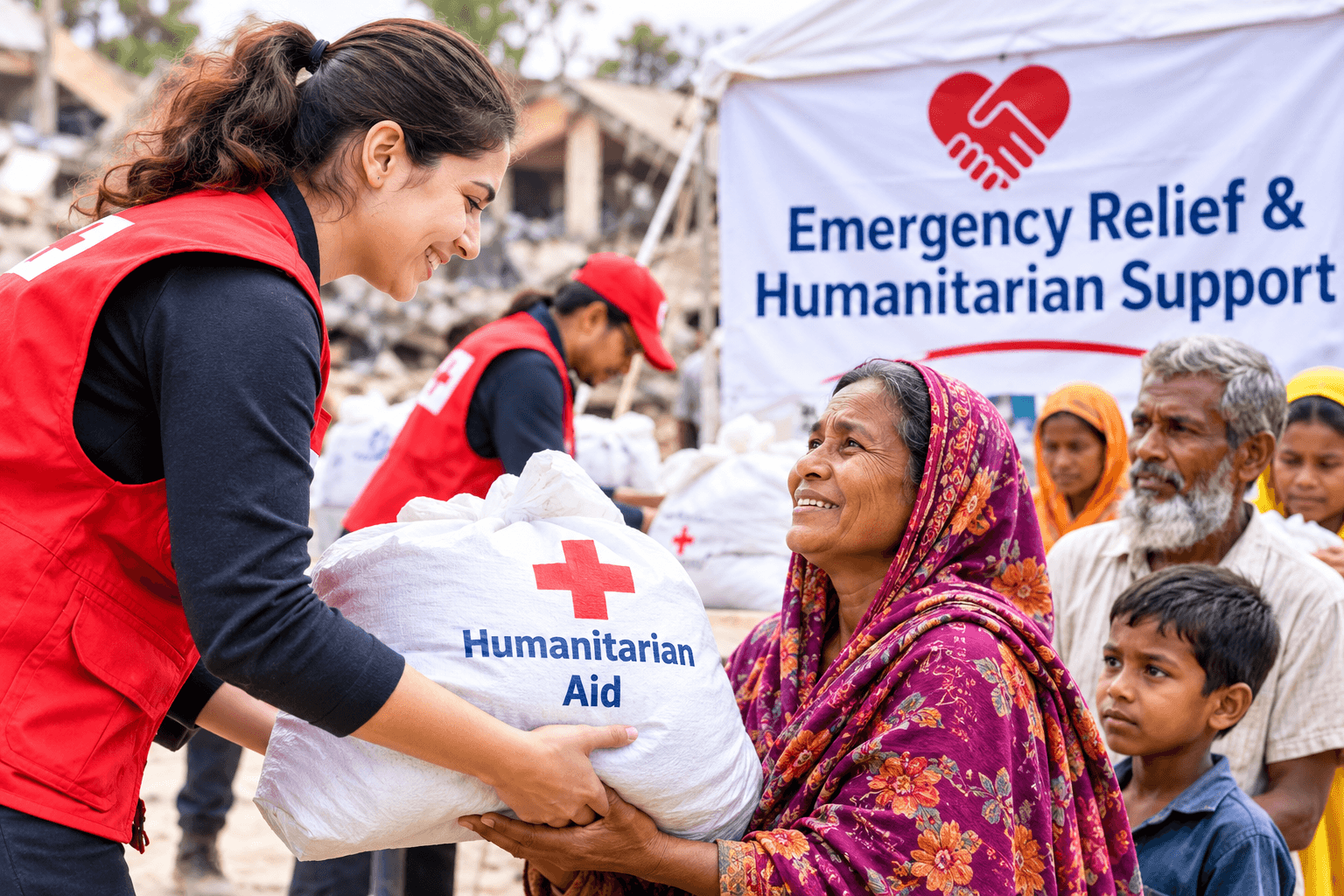
Assess urgent needs, mobilise trusted local networks and connect affected households with the right support.
Prioritise children, women, older people, displaced families and people facing barriers to assistance.
Link life-saving essentials with health, education, livelihoods and a more resilient future.
Your support can help turn immediate compassion into practical assistance.
Emergencies often create overlapping needs: safety, safe water, food, shelter, access to healthcare and reliable information.
Flooding may contaminate water supplies and damage homes. Conflict can separate relatives and interrupt schooling. Drought can reduce household income and make nutritious food unaffordable. Disease outbreaks can put pressure on already stretched health services.
Children, pregnant women, older people and people with disabilities may face additional barriers to getting help. Effective support therefore begins by listening to communities and understanding which risks are most urgent, rather than assuming every household needs the same thing.
The response must be appropriate, accessible, accountable and guided by local people.
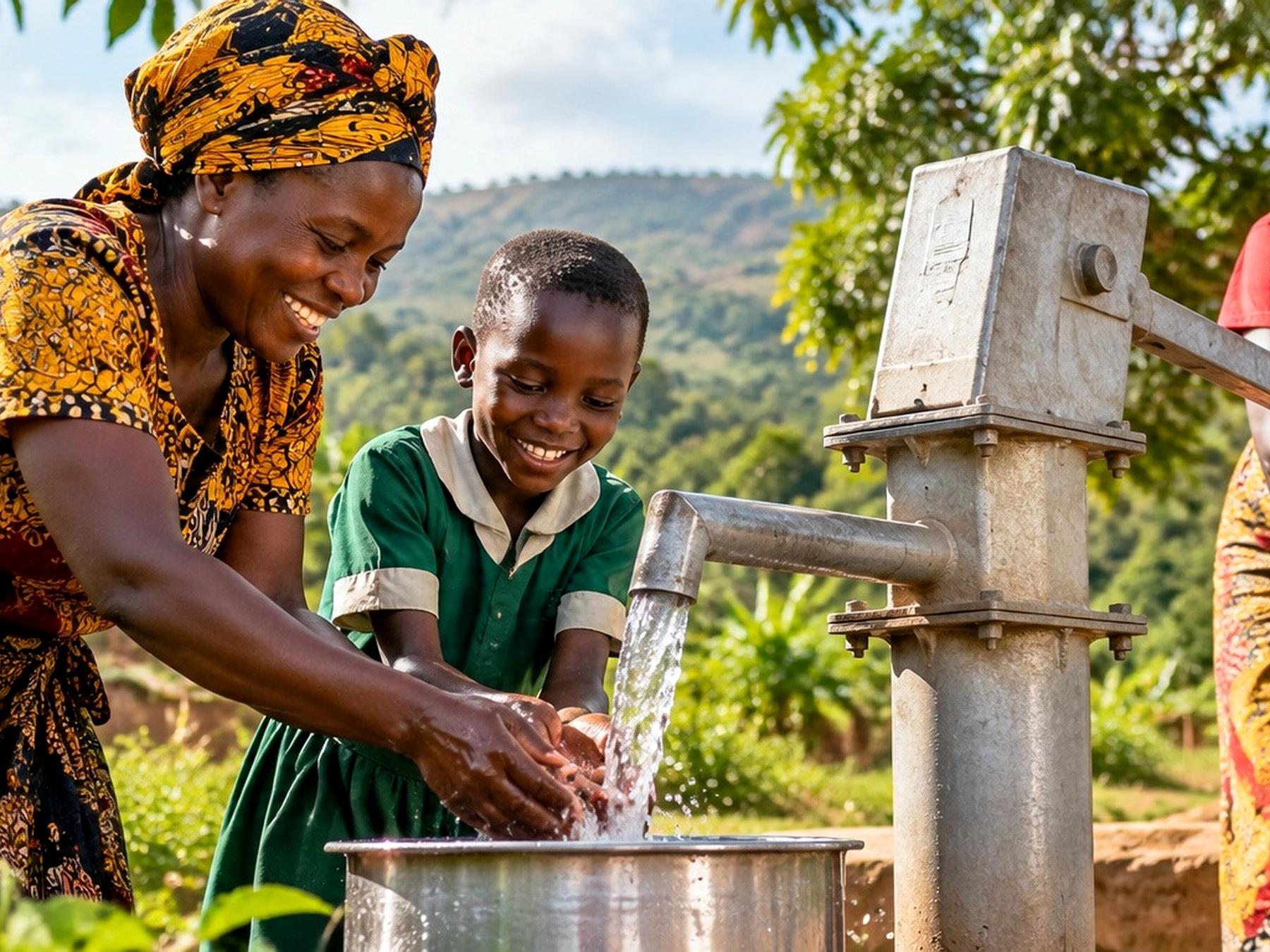
Urgent shelter, safe water, hygiene items and routes to essential services.
Family protection, practical supplies, trusted referrals and continuity of care.
Food support, nutrition information and local livelihood recovery.
Health information, safe referrals, sanitation and protection of vulnerable families.
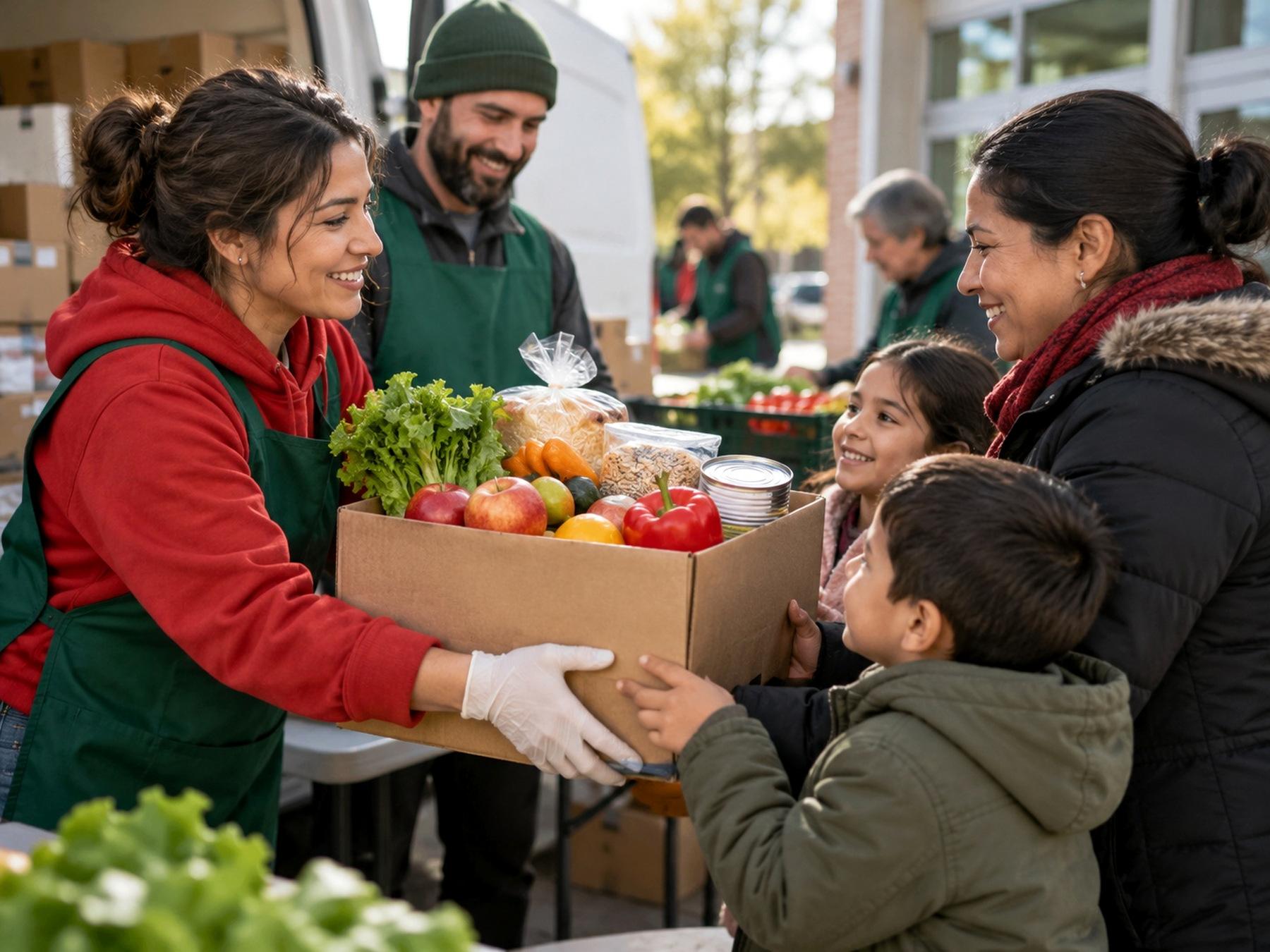
Help make urgent food, water and family essentials possible.
A clear sequence of listening, prioritising, delivering and checking helps aid reach people more safely and fairly.
01 LISTEN & ASSESS
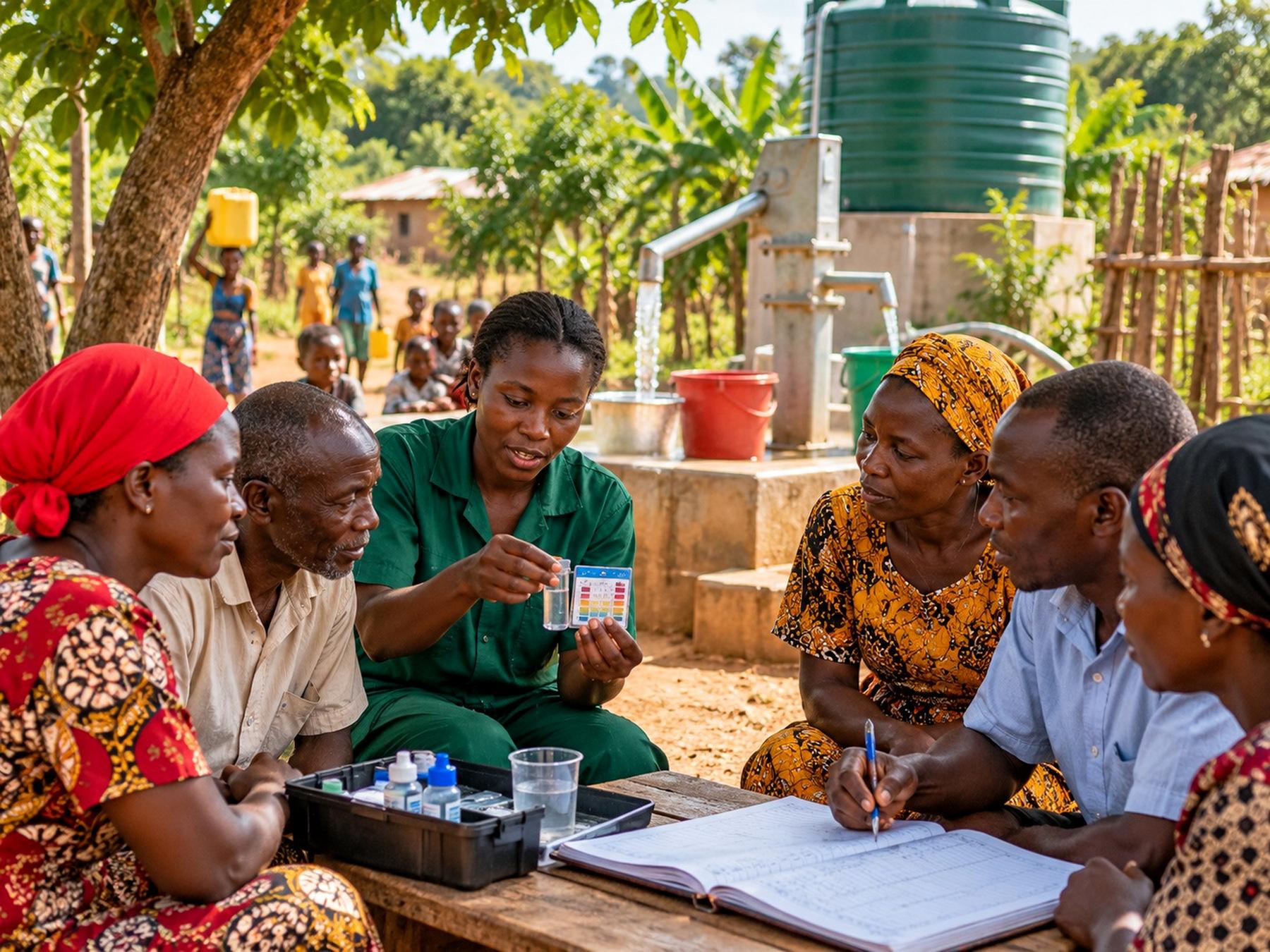
Consult community representatives, frontline partners and affected households; identify barriers and immediate risks.
02 PRIORITISE SAFELY
Focus on urgent needs and people at heightened risk; provide accessible information on available assistance.
03 MOBILISE & COORDINATE
Work with local actors and relevant services to avoid duplication and direct support to where it is needed.
04 DELIVER & FOLLOW UP
Provide or arrange appropriate relief, check that people can use it safely, and adapt when needs change.
Help address the most urgent threats to wellbeing, including food, drinking water and safe shelter.
Share clear information, signpost health and protection support, and listen to concerns.
Review remaining gaps and prepare appropriate support for families beyond the immediate emergency.
A timely donation can support practical, dignity-centred relief.
Emergency aid should protect people from harm while helping them make informed choices about the support they receive.
Children may experience interrupted education, separation or unsafe living conditions. Women and girls may face privacy and protection risks. People with disabilities and older adults may be overlooked if assistance is not accessible.
Rescue Mission’s proposed response model places safeguarding, confidential listening, informed consent and appropriate onward referrals alongside emergency supplies. Community feedback, clear information and respectful engagement help families retain choice and control.
Support is strongest when people are treated as partners, never simply as recipients.
Child-safe contact, family tracing referrals where needed, learning continuity and protection from exploitation.
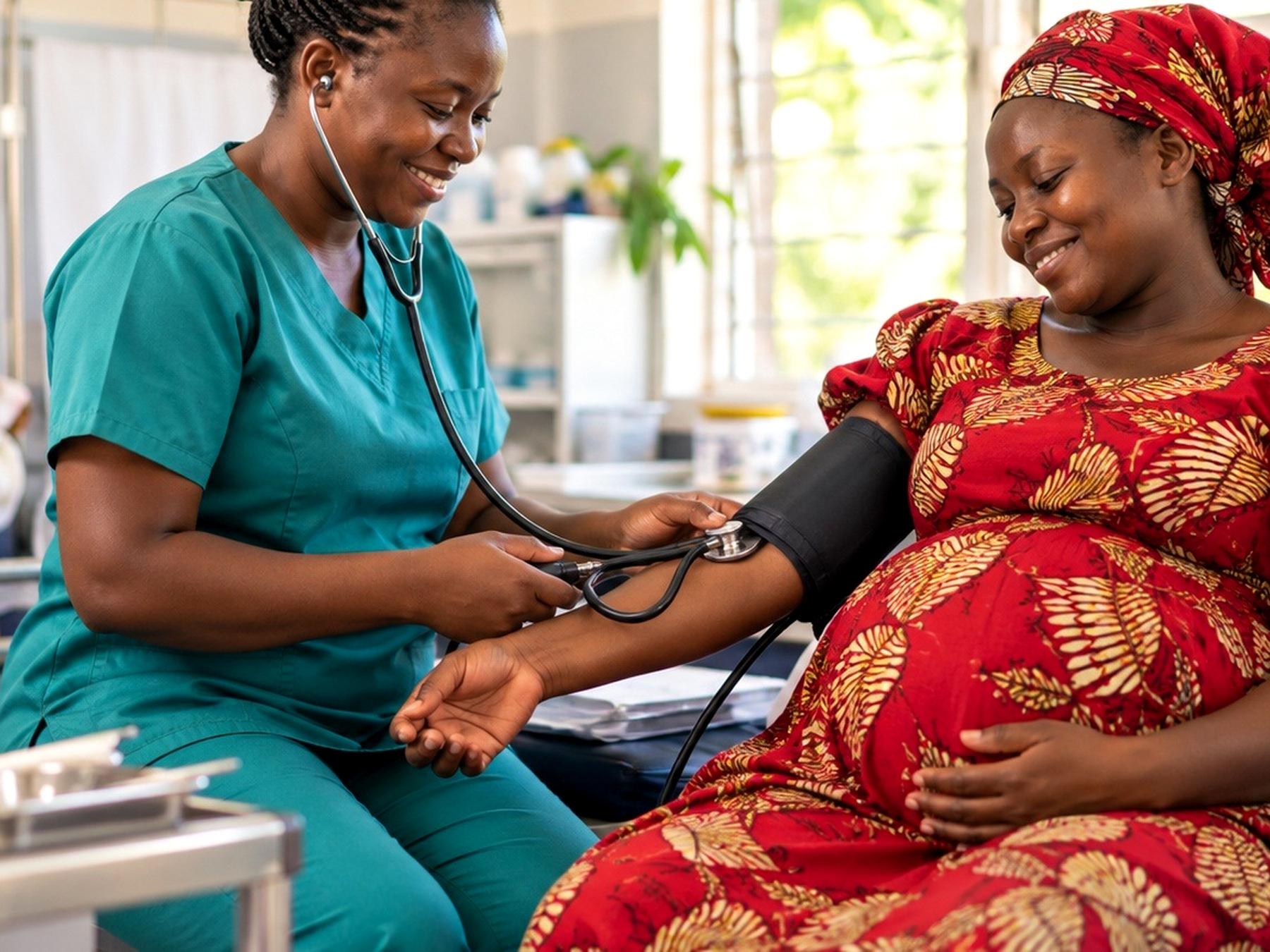
Private communication, dignity items and routes to maternal, newborn and essential health services.
Barrier-free information, culturally appropriate support and practical adaptations for disabled and older people.
Help families access support that is respectful, safe and inclusive.
05 FAMILY PROTECTION
Safeguarding, discreet referrals and information that enables families to seek support.
06 EARLY RECOVERY
Education continuity, re-establishing livelihoods and strengthening preparedness.
Food, clean water, hygiene, shelter and healthcare work best as a coordinated package—not as isolated interventions.
01 FOOD & NUTRITION
Emergency staples, child-focused nutrition and referrals for households under pressure.
02 SAFE WATER & HYGIENE
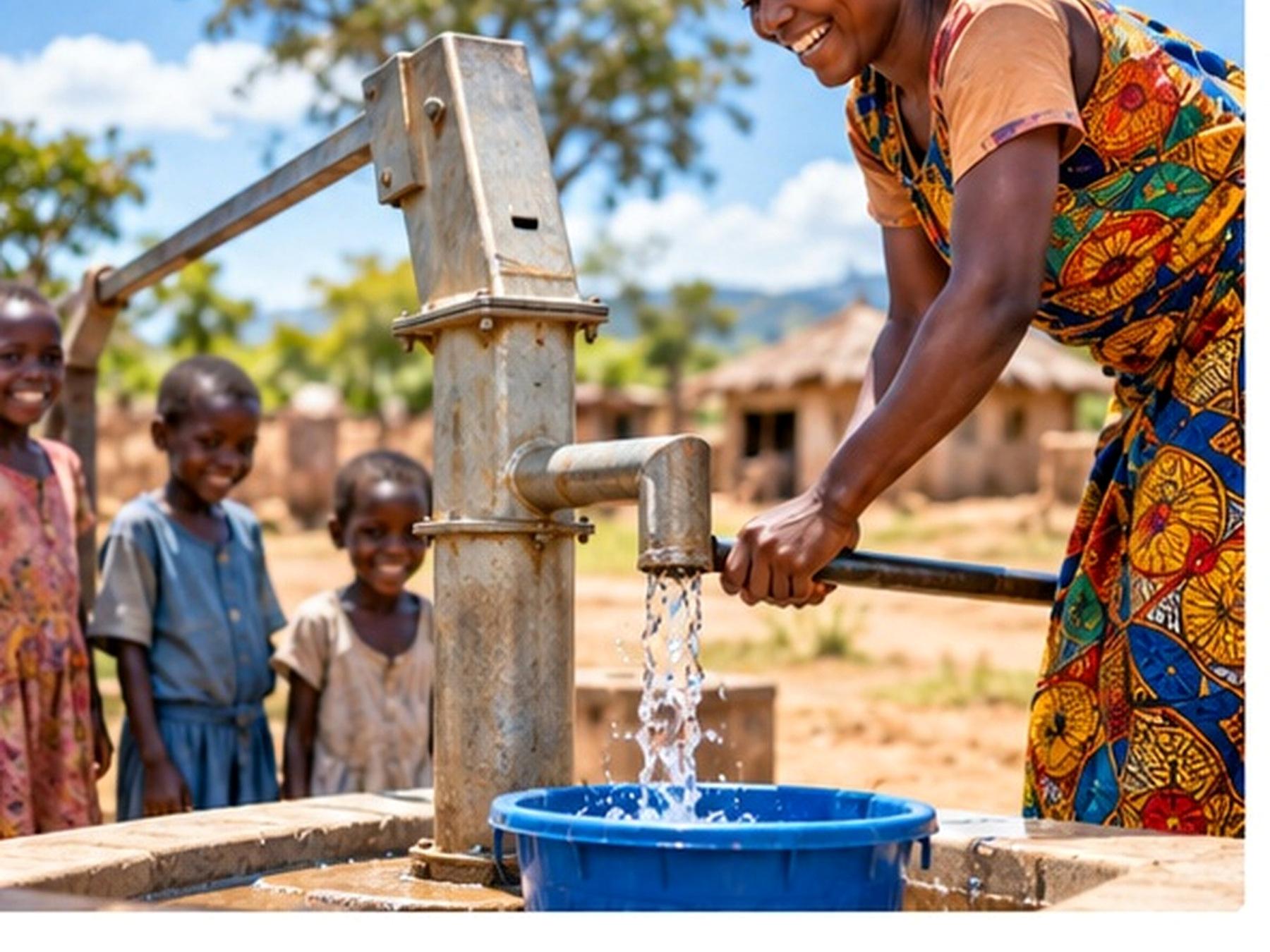
Drinking water, hygiene supplies and practical information that reduces avoidable risks.
03 SHELTER & ESSENTIALS
Temporary household items, bedding, clothing and guidance on safe accommodation.
04 HEALTH & WELLBEING
Clear health information and links to qualified healthcare, including maternal care.
Identify needs together with communities, select support that is useful and safe, explain how to raise a concern, and review whether families are actually better able to cope.
A responsible programme also considers whether the items are usable, appropriate to the household, distributed fairly and accessible to people who cannot travel. Feedback can reveal missing items, safety issues or new needs. Working with local service providers helps connect immediate relief to more sustained assistance.
Support practical essentials chosen around each community’s needs.
An example of how immediate assistance and coordinated follow-up can support a displaced household. This is an illustrative scenario, not a verified Rescue Mission case history.
Following severe flooding, a parent and two children are staying with relatives. Their food supplies are limited, drinking water is uncertain and school has closed. The youngest child needs medical attention, but the family does not know which local services remain open.
WHAT A COORDINATED RESPONSE COULD INCLUDE
• A private conversation to understand priorities and any immediate protection concerns.
• Food, safe-water information and appropriate family essentials.
• Referral to available healthcare and safe accommodation support.
• Follow-up to check unmet needs, schooling and recovery options.
The household knows where to obtain essentials and which services can help.
Health and safeguarding concerns are recognised, listened to and appropriately referred.
The family has clearer options for education, housing, income and next-step support.
Donate to help respond to urgent household needs and recovery challenges.
An illustrative example showing why recovery support needs to continue after the initial food shortage has eased.
After successive poor harvests, a family has lost much of its income. The children’s meals have become less varied and an adult is considering leaving the area for work. Neighbours have ideas for improving local food production, but resources and technical support are limited.
A SUSTAINABLE RESPONSE MIGHT INVOLVE
• Time-limited food or nutrition assistance to reduce immediate pressure.
• Community-led discussion about water access, planting and local markets.
• Links to training, local groups and practical livelihood opportunities.
• Regular feedback and progress reviews, led by participating families.
Address urgent food or household needs so families can plan beyond the next day.
Support skills, connections and accessible opportunities to restore income.
Encourage community ownership, local partnerships and preparedness for future shocks.
Partner with Rescue Mission or make a gift towards lasting change.
Every contribution—financial support, professional skills, advocacy or partnership—can help make a response more effective.
DONATE NOW
Make a one-off gift or choose regular giving to support emergency and recovery priorities.
BECOME A VOLUNTEER
Offer your time or expertise in fundraising, community engagement or appropriate programme support.
PARTNER WITH US
Explore collaboration through businesses, churches, schools, trusts and community networks.
FUNDRAISE & ADVOCATE
Organise a workplace appeal, awareness event or local challenge and inspire others to act.
Learn about Rescue Mission, explore its work and choose the way you would like to support families facing hardship.
Website: rescuemission.co.uk | Donate: rescuemission.co.uk/donate/ | Get involved: rescuemission.co.uk/ways-to-help/
Start with a donation, discuss a partnership, introduce Rescue Mission to your community or explore fundraising and volunteering opportunities. Each pathway can help connect concern for vulnerable families with practical, thoughtful action.
Join Rescue Mission in protecting lives and building a more hopeful future.
Rescue Mission is a registered company limited by guarantee (Company No. 10413275) Registered Charity No. 1196944 (England & Wales) 20-22 Wenlock Road, London, N1 7GU, England, United Kingdom