When disaster strikes, communities need timely assistance, practical protection and a path towards recovery. Rescue Mission describes emergency programmes that respond to sudden disasters, prolonged conflict, disease outbreaks and people forced from their homes.
Emergencies disrupt the essentials of everyday life: safe shelter, clean water, food, healthcare and livelihoods. Floods and earthquakes may arrive suddenly; drought and conflict can weaken communities over many months.
Rescue Mission’s published emergency approach combines timely relief with preparation and longer-term recovery. The emphasis is on understanding conditions locally and supporting communities to regain stability.
The right support depends on the crisis, access conditions and what affected communities identify as priorities.
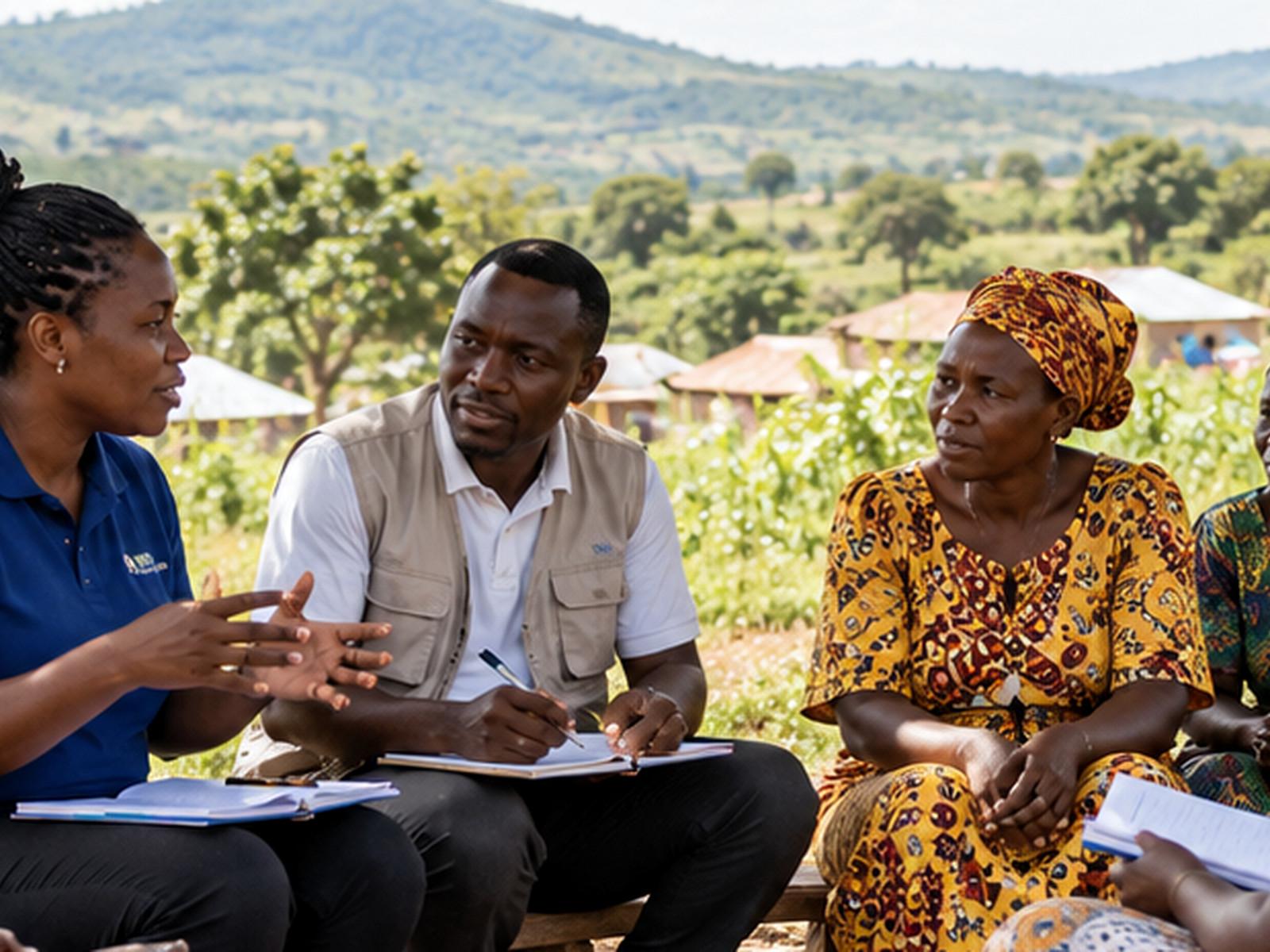
The first priority is understanding what has happened and what people need most urgently. Local staff and community leaders can identify cut-off areas, vulnerable households and practical delivery routes.
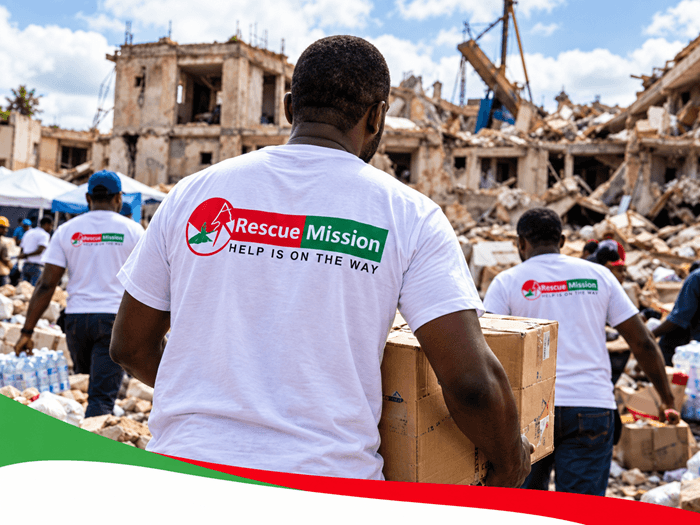
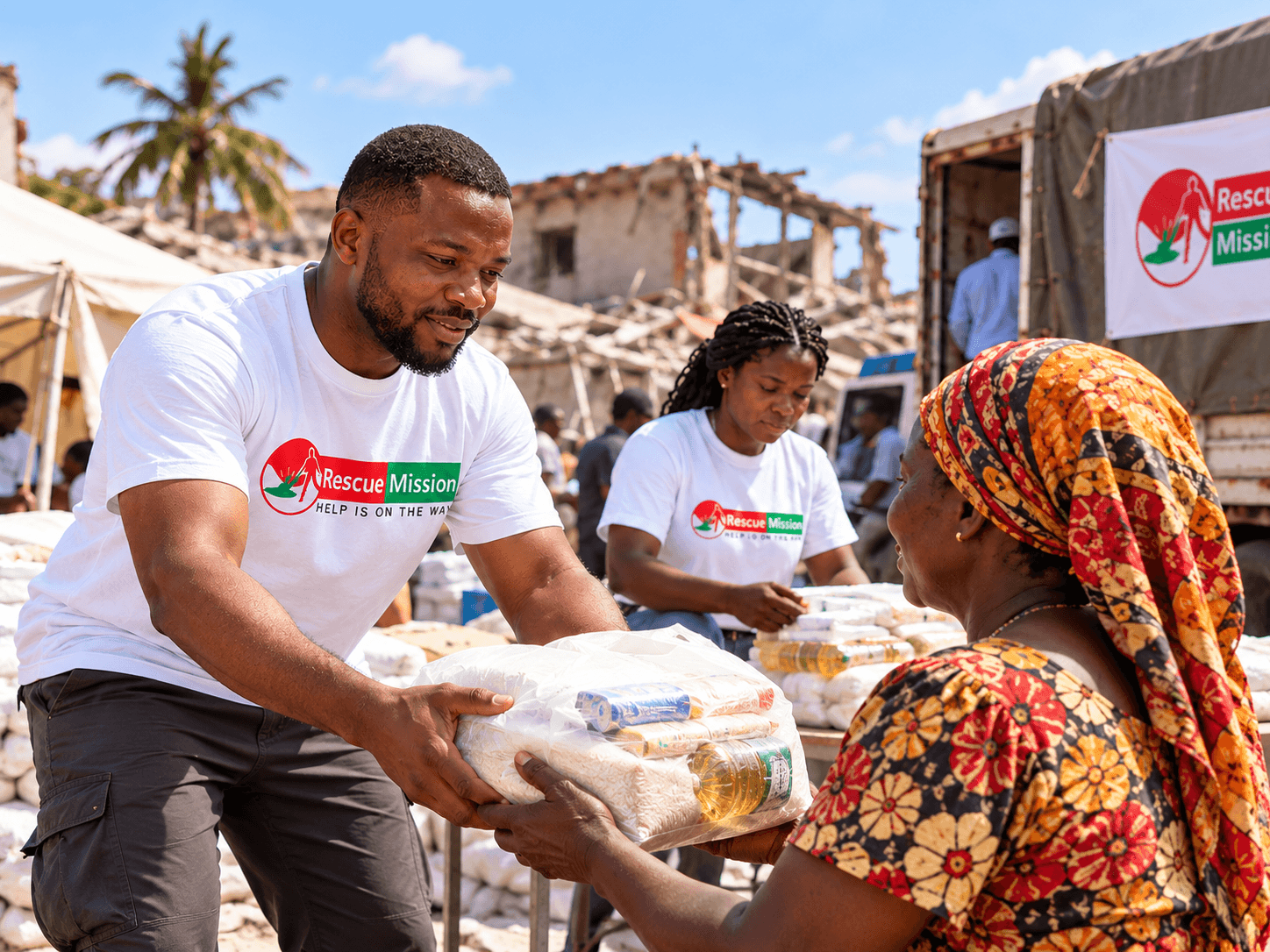
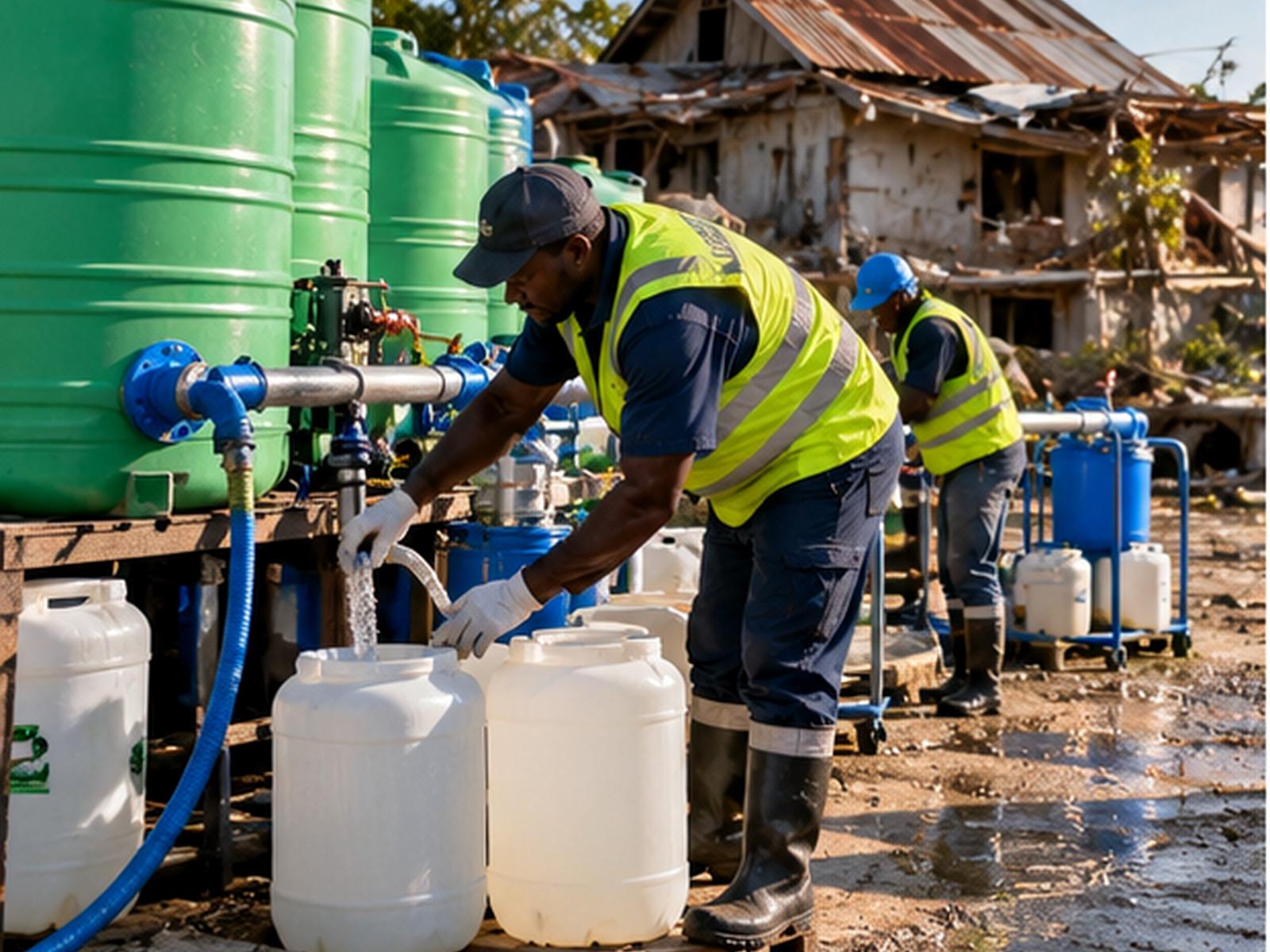
Relief can include water, basic household items and support to access services. The response must be adjusted as circumstances change and as families move from immediate survival towards rebuilding.
Priorities should be reviewed as the emergency evolves. Practical help is most useful when it reaches the right people, at the right time, in a safe and dignified way.
Emergency needs overlap. A useful response connects practical assistance to the longer-term conditions people face.
• Keep local needs and safe access at the centre of planning.
• Recognise that risks can change after the initial disaster or displacement.
• Link immediate essential support to recovery, dignity and preparedness.
Rescue Mission’s emergency page names Cyclones Idai and Kenneth as examples of severe emergencies affecting communities in Mozambique, Malawi and Zimbabwe. Its description emphasises damage to homes, disrupted access to clean water and the risk of water-borne illness. This is a published crisis example, not a newly verified individual beneficiary case study.
Rescue Mission’s emergency page names Cyclones
Idai and Kenneth as examples of severe emergencies
affecting communities in Mozambique, Malawi and
Zimbabwe. Its description emphasises damage to
homes, disrupted access to clean water and the risk
of water-borne illness. This is a published crisis example,
not a newly verified individual beneficiary case study.
The source names crises and describes needs. This concept page does not invent an individual’s identity, a first-person testimonial or unverified figures for Rescue Mission projects.
Working with local people helps define what is needed, how support should reach communities and what recovery should look like.
Rescue Mission describes equipping local staff and working with community leaders who understand the terrain, language and priorities of the people affected. Meaningful local participation supports fairer distribution and stronger recovery.
Listening, coordination and informed decisions help make aid more practical and respectful.
Rescue Mission describes training local staff and community members in disaster preparedness, along with local-led decisions during response and recovery.
Emergency work does not end when the immediate hazard passes. Restoring livelihoods, rebuilding community facilities and preparing for future shocks are part of the longer-term response described by Rescue Mission.
The work of rebuilding may involve livelihood support, safer services, local planning and disaster risk reduction. Rescue Mission’s published material places this continuing work alongside the first emergency response.
Support essential relief, local preparedness and recovery through Rescue Mission’s published donation page.
Rescue Mission is a registered company limited by guarantee (Company No. 10413275) Registered Charity No. 1196944 (England & Wales) 20-22 Wenlock Road, London, N1 7GU, England, United Kingdom