Healthier people. Safer communities. Brighter futures.
Water, toilets and handwashing facilities are essential to dignity and health, yet major inequalities persist worldwide.
People lacked safely managed drinking water in 2024
People lacked safely managed sanitation in 2024
People lacked basic hygiene services at home in 2024
The challenge is not water alone: reliable supply, safe toilets, hygiene, accessibility and long-term maintenance must work together.
Rescue Mission’s proposed approach places community priorities, safe engineering and long-term local ownership at the centre of every water project.
THE FOUR STAGES OF COMMUNITY WATER DELIVERY
Locally accessible information in relevant languages
Appointments, essential supplies and basic screening
Track breakdowns, repair times, affordability and seasonal reliability.
A toilet that is safe, private, accessible and maintained — supported by reliable handwashing with soap — protects dignity as well as public health.
WHAT GOOD SANITATION DESIGN SHOULD INCLUDE
Gender-sensitive spaces, internal locks, menstrual hygiene facilities and accessible entrances.
Functional stations near toilets and food-preparation areas, with a replenishment plan.
Systems designed for local soils, flooding risk, emptying arrangements and long-term upkeep.
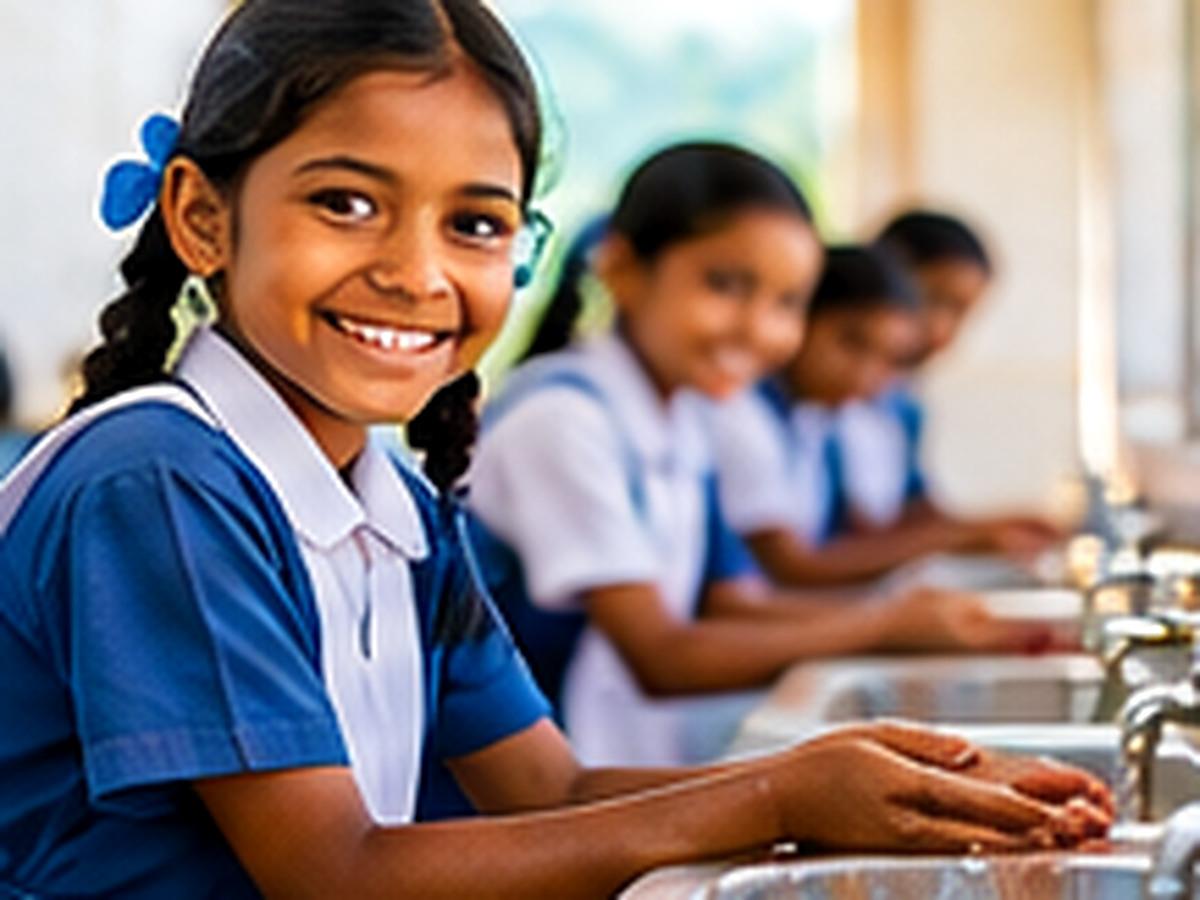
Children should be able to learn without worrying about thirst, illness, unsafe toilets or the absence of menstrual health facilities.
school-age children lacked basic drinking water at school in 2025
lacked basic, usable, single-sex school sanitation in 2025
lacked basic handwashing facilities with soap and water in 2025
An example of how a community-driven sanitation and hygiene programme could change everyday school life. This scenario is illustrative, not a claim of a completed Rescue Mission project.
Count working toilets and taps; record water and soap availability each month.
Use age-appropriate, confidential feedback to assess privacy, accessibility and comfort.
Log repairs and check cleaning, supply and maintenance responsibilities are funded.
An example of how a rural community could plan for more reliable drinking water. This scenario is illustrative and does not describe a verified Rescue Mission intervention.
Compare typical round-trip collection times before and after the service begins.
Record water testing, contamination alerts and appropriate treatment where needed.
Monitor days available, breakdown duration and whether users can afford upkeep.
The next safe water point, accessible toilet or school handwashing station begins with people who decide that dignity and health matter.
Plan with local people and avoid imposing unsuitable solutions.
Share baselines, service checks, feedback and learning as projects are verified.
Budget for repairs, governance, safe testing and climate resilience.
Rescue Mission is a registered company limited by guarantee (Company No. 10413275) Registered Charity No. 1196944 (England & Wales) 20-22 Wenlock Road, London, N1 7GU, England, United Kingdom