Food Security & Nutrition

Everyone deserves the chance to eat well, grow well and build a secure future.

A NUTRITIOUS MEAL TODAY. A STRONGER TOMORROW.

Stand with families facing hunger.

OUR WORK / 01

Why food security matters

Hunger is not only the absence of food. It can affect health, learning, family stability and the ability to plan for tomorrow.

NOURISHMENT CHANGES WHAT IS POSSIBLE

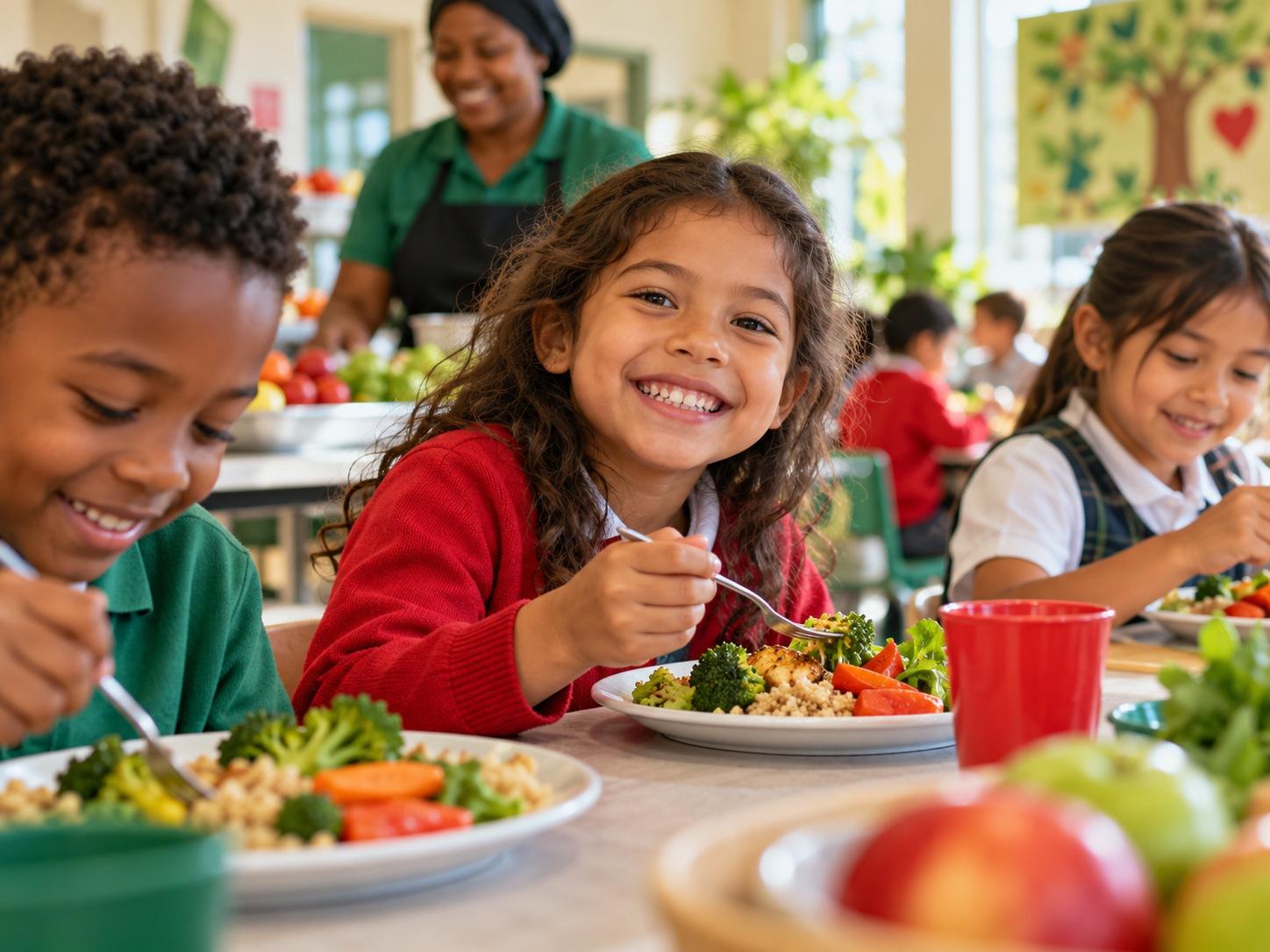
For children, regular access to varied and nutritious meals can support healthy growth, energy and engagement with education. For parents and caregivers, reliable food access can ease daily pressure and create space for work, learning and care.

In a crisis, households may reduce portions, skip meals or choose cheaper foods with limited nutritional value. For families already facing poverty, repeated shocks can deepen vulnerability.

Rescue Mission combines a practical response to immediate need with education, partnership and locally shaped food-security initiatives.

01. Food access

Make support accessible, respectful and informed by households’ preferences.

02. Nutrition knowledge

Making good food choices practical, affordable and understandable.

LOCAL STRENGTH

Growing and sourcing food closer to home can improve resilience.

OUR WORK / 02

Food support when it matters most

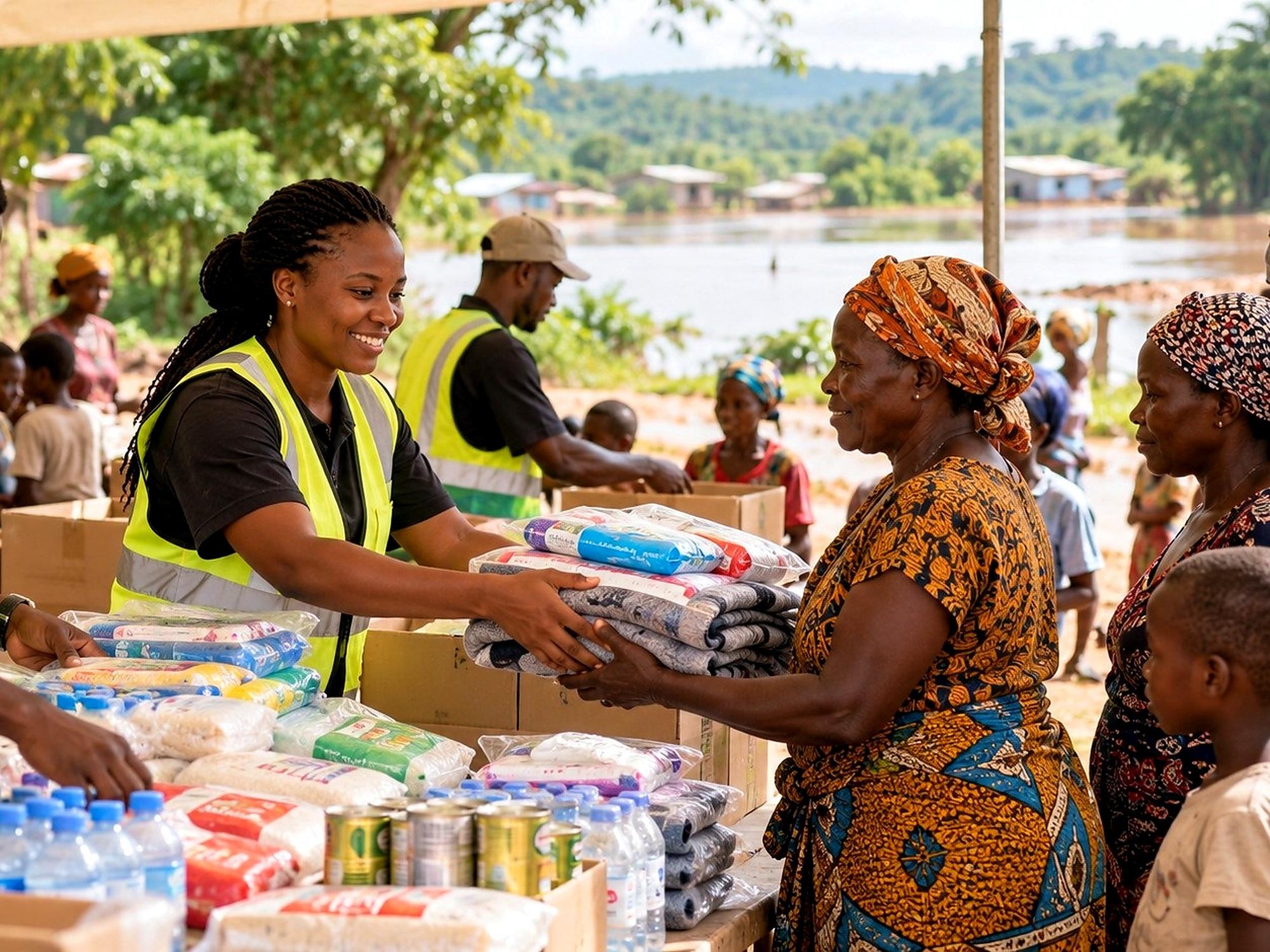
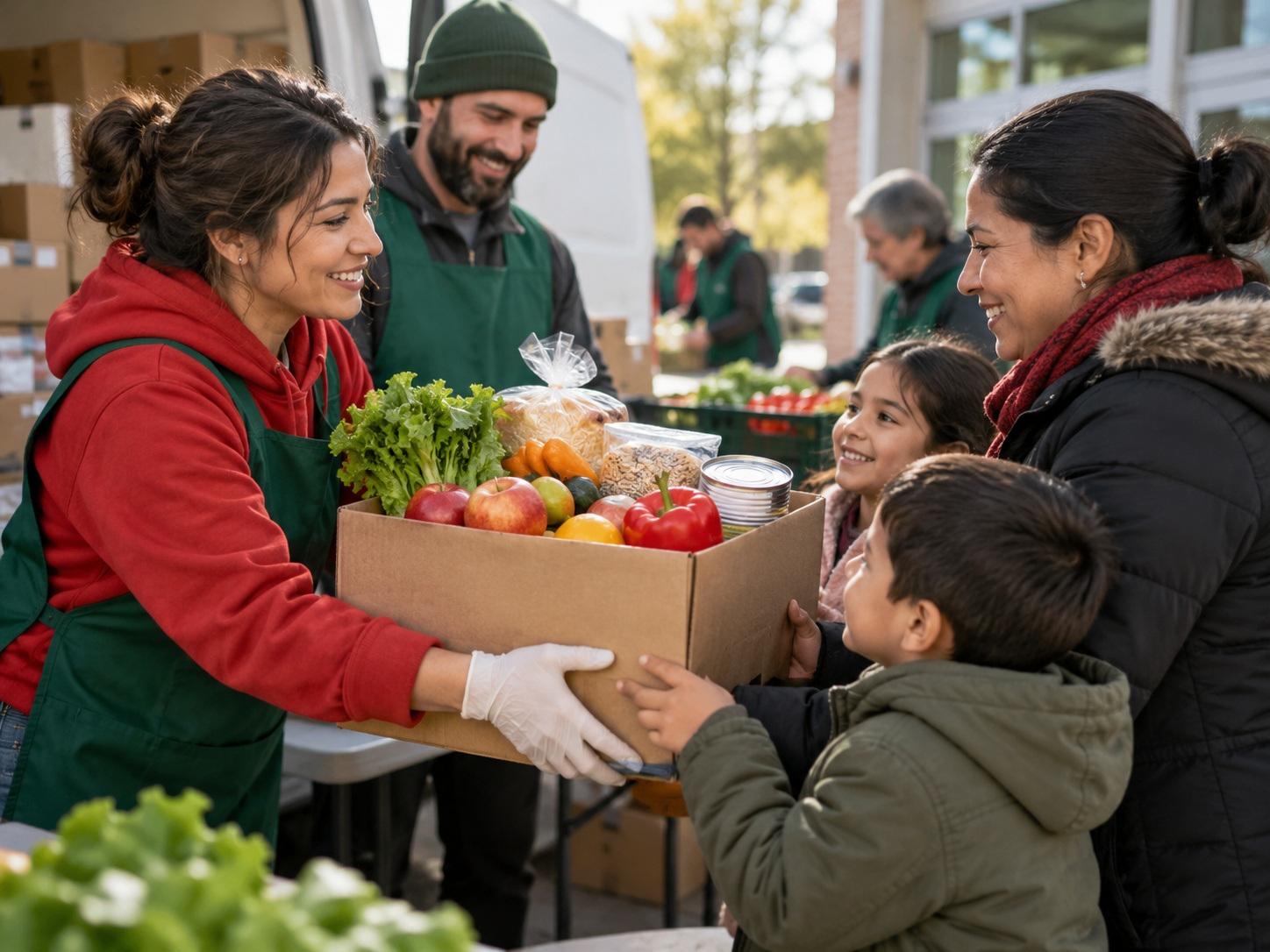
Rapid, respectful assistance can help households manage the immediate effects of sudden hardship, displacement or disruption.

OUR IMMEDIATE RESPONSE

01 / Identify need.  Listen to community partners and families to prioritise people facing the most urgent shortages.

02 / Provide suitable food.  Coordinate essential groceries, staples and where appropriate ready-to-eat meals, with attention to safety and dietary needs.

03 / Protect dignity.  Make distribution orderly, inclusive and respectful. Avoid unnecessary exposure of personal circumstances.

04 / Connect to wider help.  Where available, offer referrals for health, child welfare and ongoing community support.

What responsible food assistance looks like

01. Safe & suitable

Appropriate storage, handling and awareness of allergies or other needs.

02. Fair access

Clear eligibility, transparent communication and accessible delivery points.

03. Useful follow-up

Ask whether support helped, what gaps remain and what can improve.

BE PART OF THE RESPONSE

Your gift can help turn urgent need into practical support.

OUR WORK / 03

Nourishing children. Supporting caregivers.

Good nutrition is built through everyday meals, trusted guidance and support at important stages of life.

FAMILIES AT THE HEART OF FOOD SECURITY

Children, pregnant women, new mothers and caregivers may need different types of nutrition support. We promote locally appropriate, culturally sensitive ways to make diets more varied and nourishing.

Child-focused meals.  Work with communities and schools so children can access nourishing food at learning or community settings.

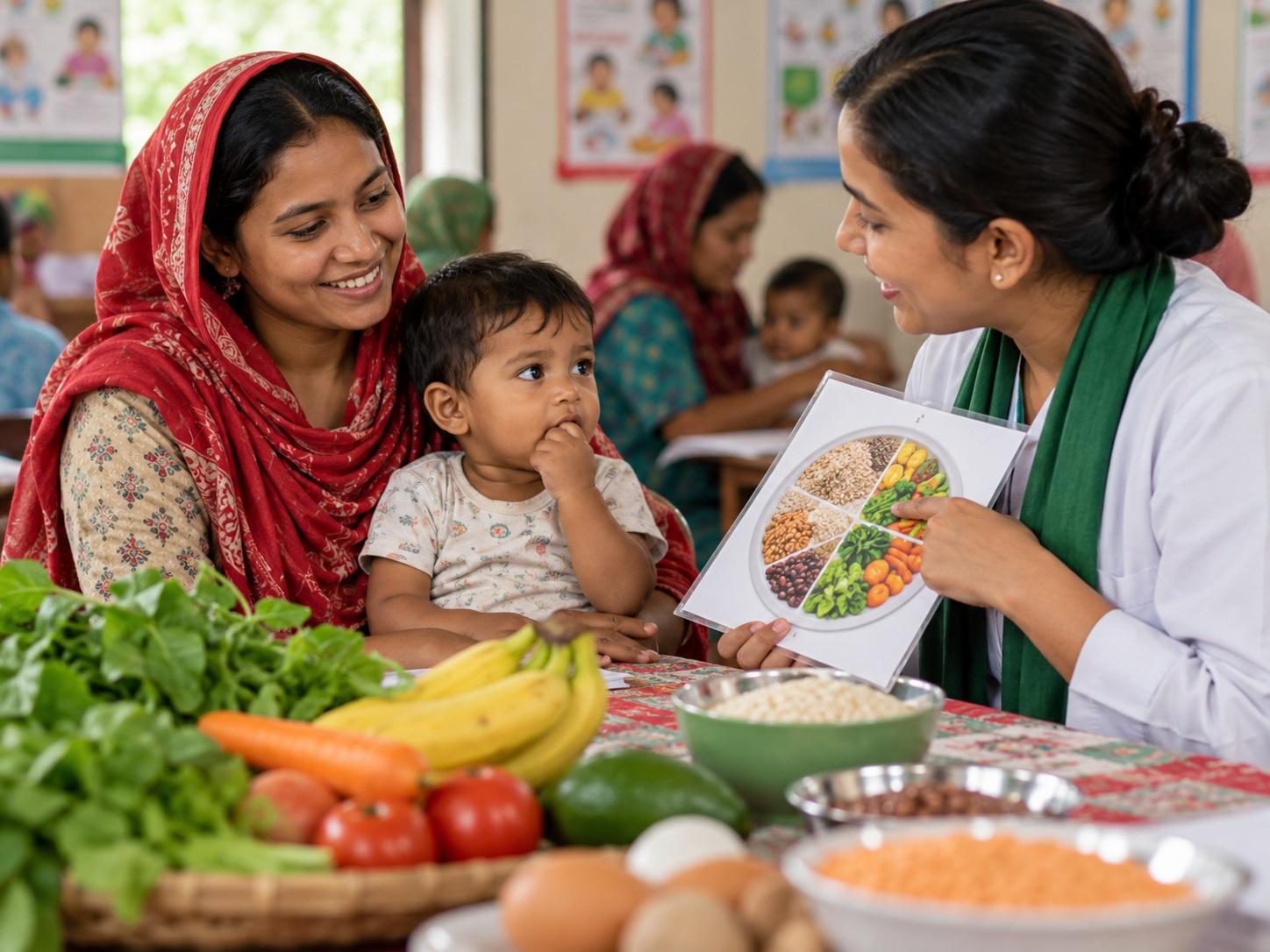
Practical learning.  Explain balanced meals using affordable ingredients, safe food preparation and age-appropriate choices.

Joined-up support.  Encourage referral to qualified health professionals when a child or mother may need clinical nutrition assessment.

Our nutrition-first approach

01. First 1,000 days

Connect mothers and carers to qualified advice and suitable nutrition support.

02 . Healthy learning

Family demonstrations turn food knowledge into confident daily choices.

03. Safe practice

Protect breastfeeding and ensure specialist feeding needs receive qualified guidance.

HELP CHILDREN THRIVE

Join the effort to improve access to nourishing meals.

OUR WORK / 04

Grow more than food

Lasting food security also depends on local knowledge, reliable supply, resilient livelihoods and community ownership.

FROM RELIEF TO RESILIENCE

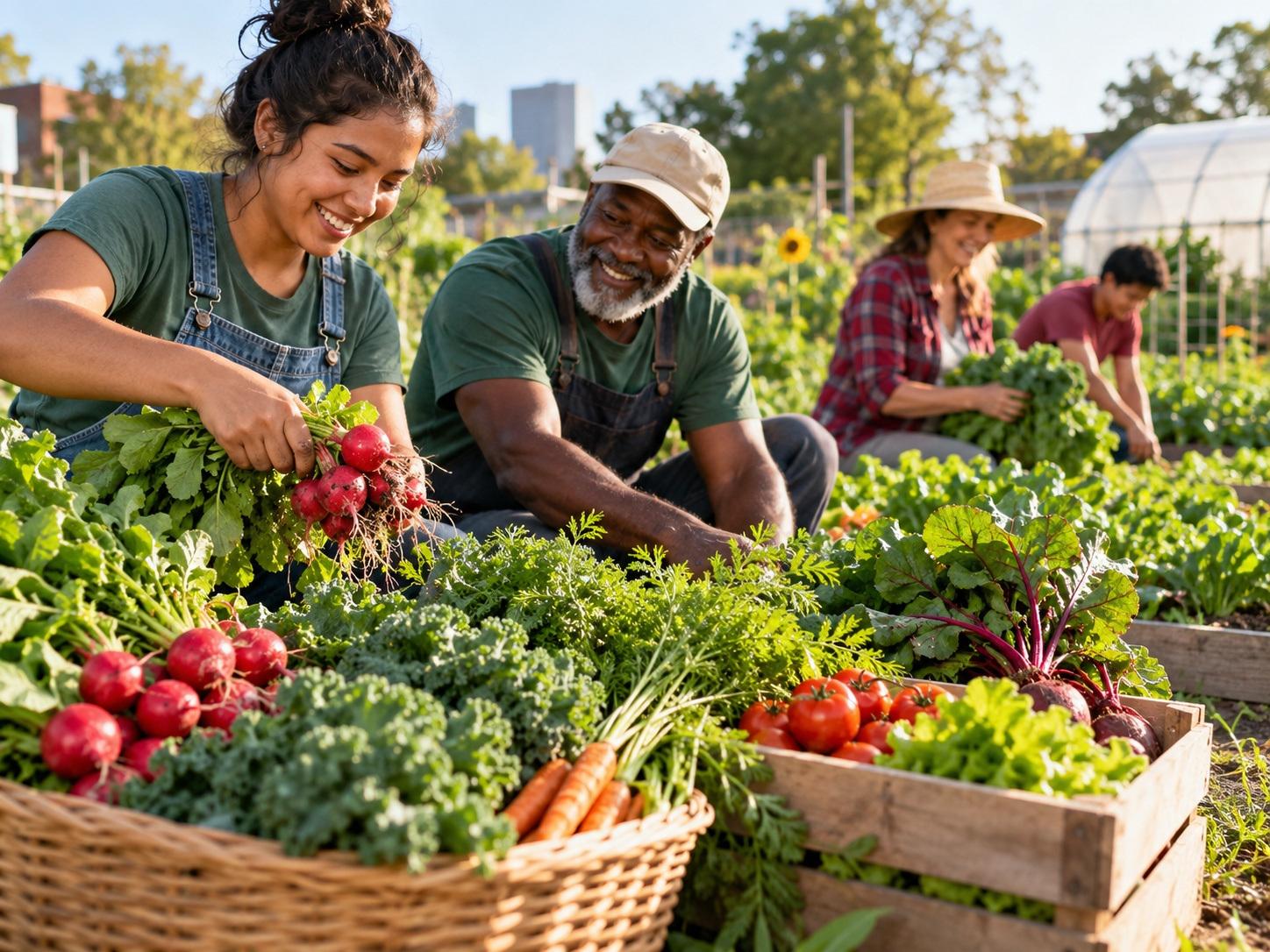
Food parcels provide important short-term relief, but families also benefit when communities can grow, purchase, preserve and prepare food more reliably.

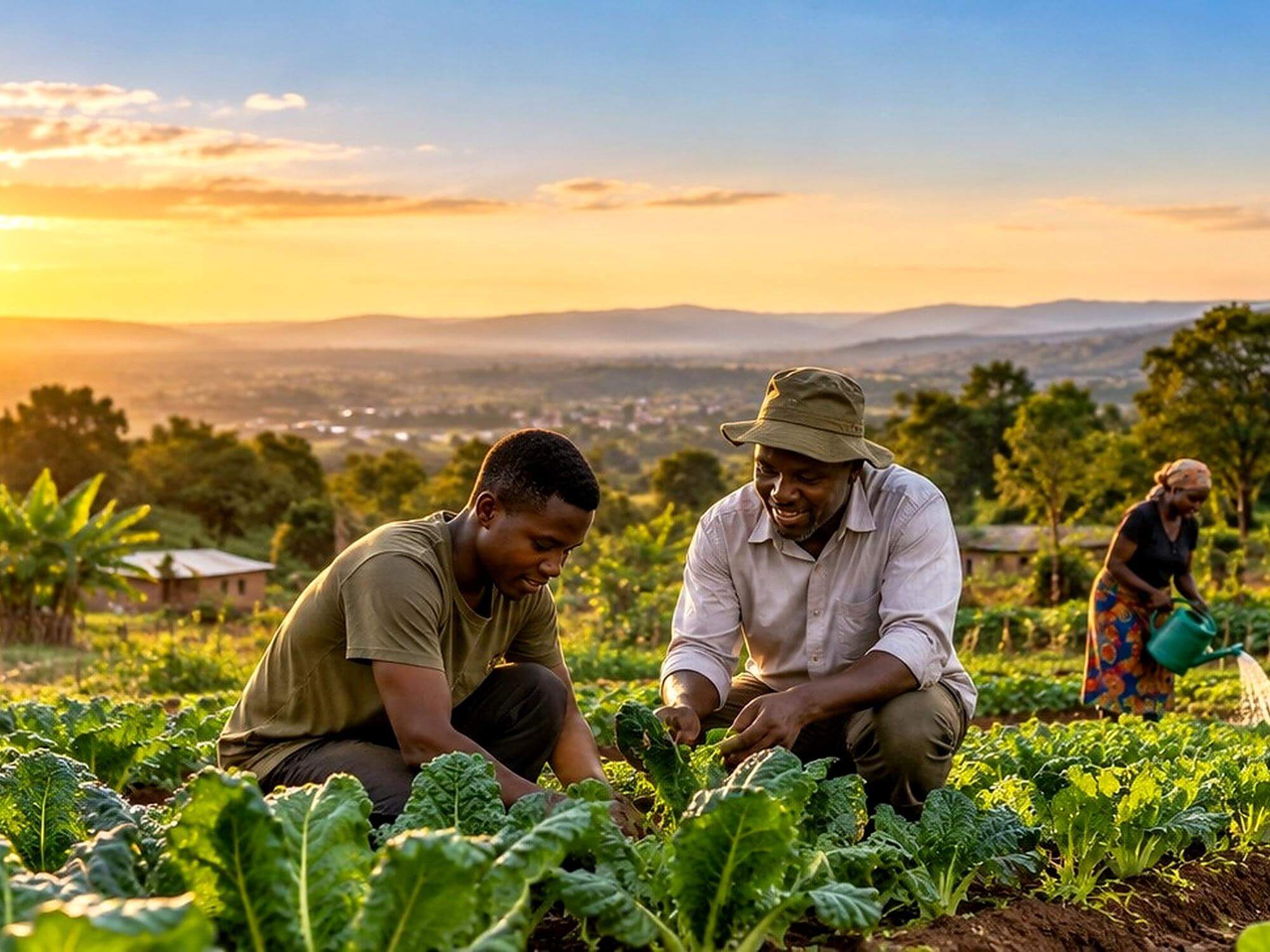
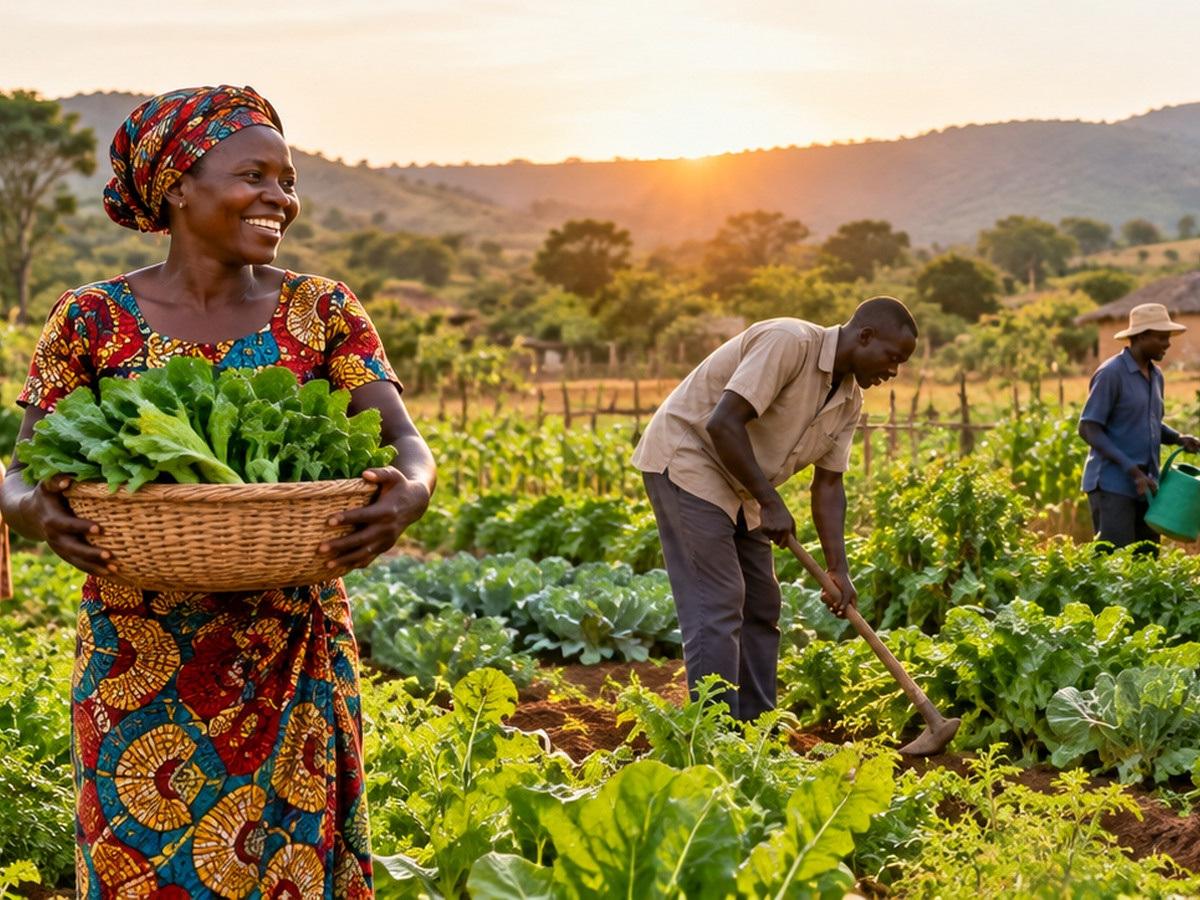
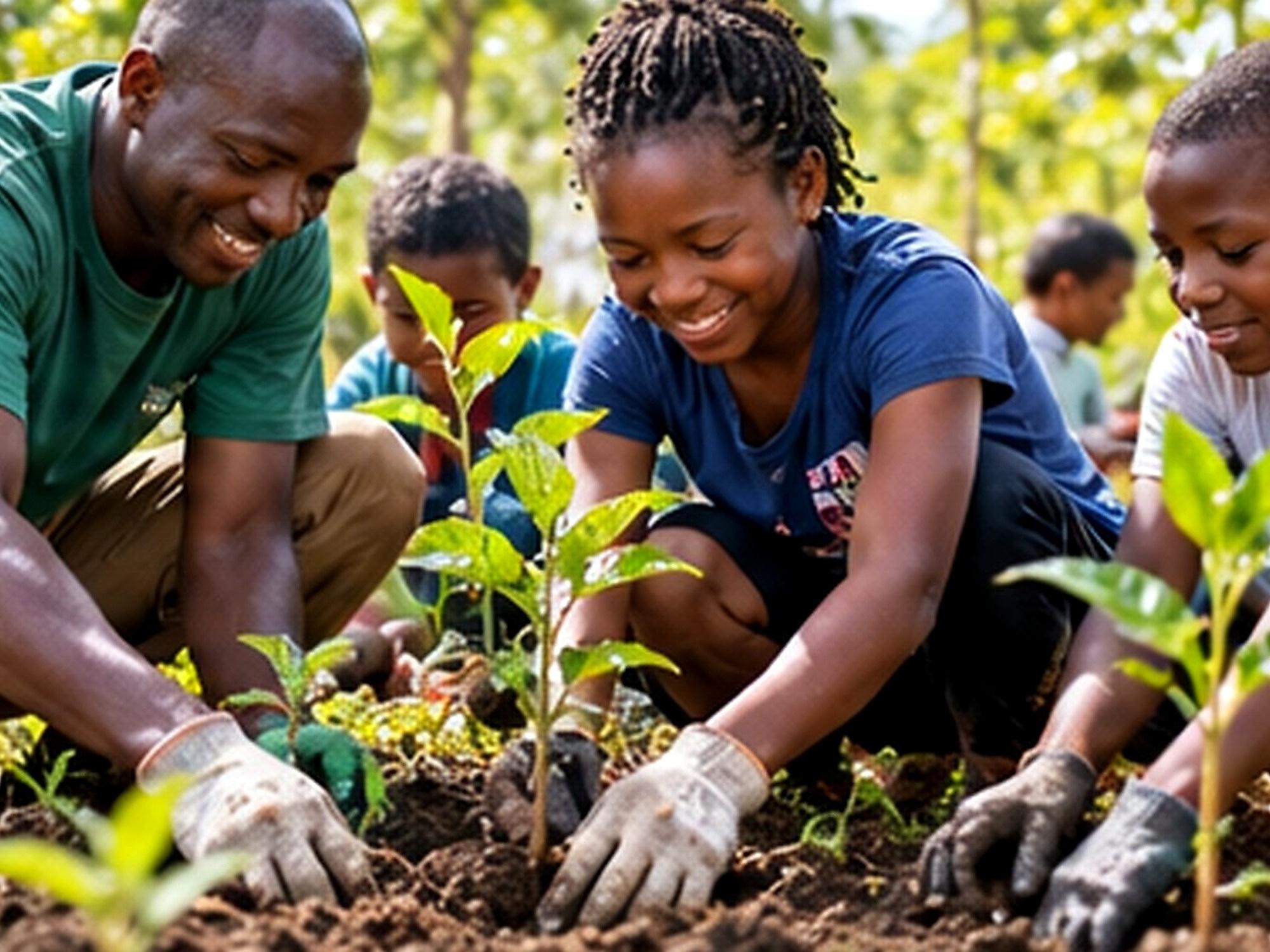
Community growing.  Support suitable gardens, seeds, tools and learning based on local conditions.

Farmer livelihoods.  Promote production, post-harvest handling and connections to local markets.

Women’s participation.  Recognise the contribution of women and caregivers to household nutrition and community leadership.

Adaptation.  Encourage locally appropriate water use, crop variety and planning for seasonal shocks.

LOCAL KNOWLEDGE, LASTING VALUE

A thriving food garden can do more than produce vegetables. It can help neighbours share knowledge, strengthen household diets and build confidence. Rescue Mission aims to work with communities rather than impose one-size-fits-all solutions.

INVEST IN SUSTAINABLE CHANGE

Help communities grow stronger food futures.

OUR WORK / 05

Case study | A family finds stability

An illustrative scenario showing how emergency food support and follow-up can work together.

THE CHALLENGE

A caregiver with three children experiences a sudden reduction in household income. Food shopping becomes unpredictable, and she begins eating less so her children can have regular meals.

THE RESPONSE

A community referral leads to timely grocery support. A volunteer discusses affordable nutritious meal options, checks the family’s preferences and connects the caregiver with further local services.

THE POTENTIAL CHANGE

Immediate pressure eases; the children have more consistent meals; the caregiver understands where to seek help and how to manage future gaps.

What this story shows

01. Respond early

Food assistance can prevent a short-term shock becoming a deeper crisis.

02. Respect choice

Listening to dietary needs and family routines makes support more useful. 

03. Follow through

Referrals, check-ins and feedback help turn a parcel into a pathway.

MAKE RELIEF POSSIBLE

Donate now to stand with families facing food insecurity.

OUR WORK / 06

Case study | From garden to kitchen

An illustrative scenario of how local growing, food skills and community leadership can complement direct assistance.

THE CHALLENGE

A rural neighbourhood relies on seasonal crops and a market that is often difficult to reach. Many families want to provide more varied meals, but fresh ingredients are expensive or inconsistent.

THE RESPONSE

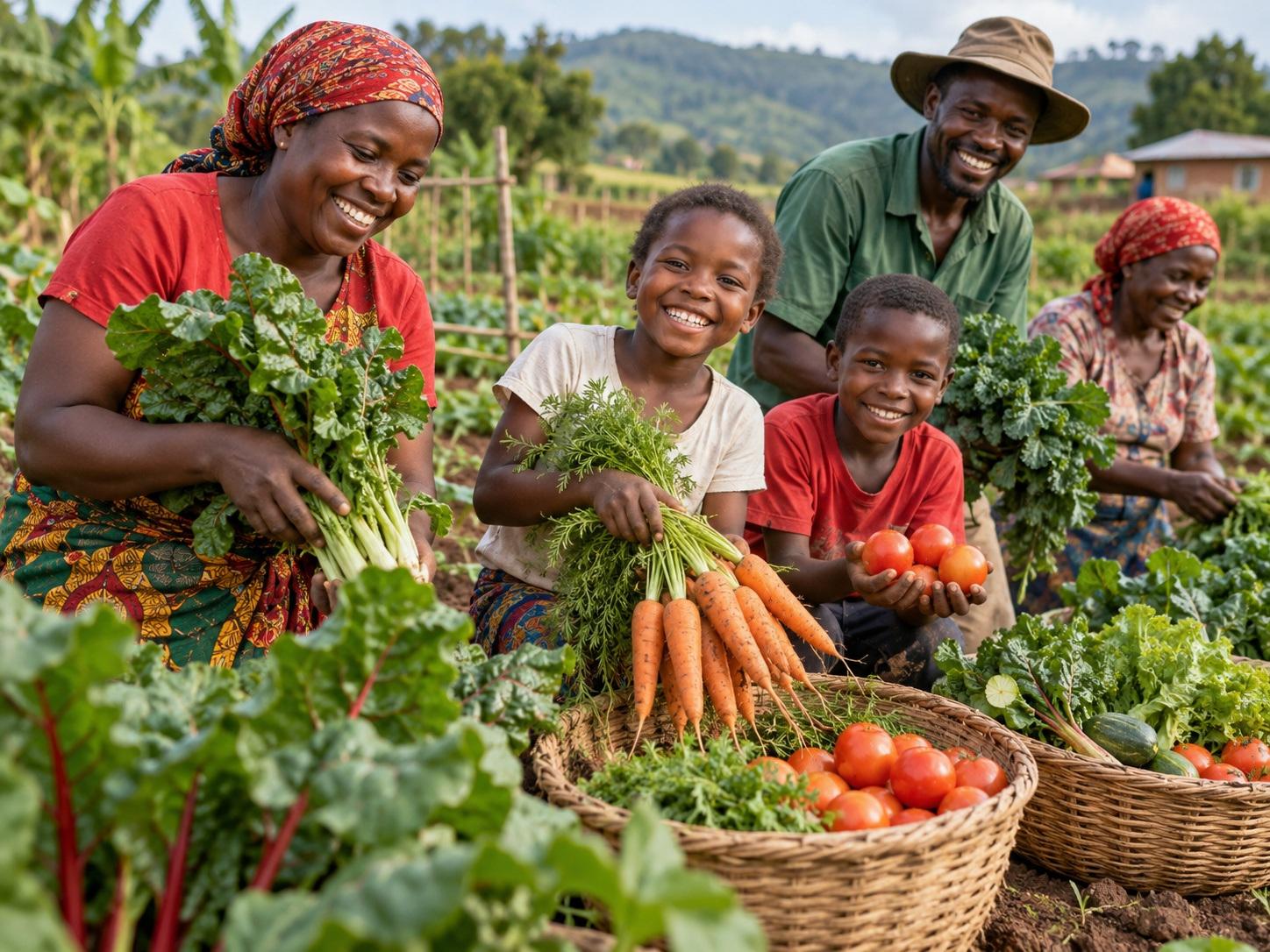
Community members organise a shared growing space. With seeds, basic tools and practical sessions, caregivers learn how to cultivate locally suited vegetables and prepare nutritious meals.

THE POTENTIAL CHANGE

Households gain opportunities to diversify meals, exchange produce, involve young people and build a community resource that can continue beyond the initial project.

MEASURE WHAT MATTERS

Useful indicators include garden participation, changes in food variety, training attendance, local ownership and feedback from families. Outcomes should be recorded and verified rather than assumed.

HELP ROOTS OF RESILIENCE TAKE HOLD

Support local skills, nutrition and food growing.

OUR WORK / 07

Together, we can change the story of hunger

There are many ways to help more families access good food, practical advice and lasting opportunities.

CHOOSE HOW TO TAKE PART

DONATE NOW.  Make a one-off contribution or explore regular giving to support Rescue Mission’s wider work.

GET INVOLVED.  Volunteer your time, skills or local knowledge; explore food, nutrition and development opportunities.

PARTNER WITH US.  Work with us through schools, faith groups, local organisations or corporate partnerships.

START A FUNDRAISER.  Mobilise friends and colleagues around the goal of nourishing children and strengthening families.

EVERY ACTION COUNTS

Food assistance meets an immediate need. Nutrition education builds skills. Community growing strengthens long-term choices. Together, they can help children and families face the future with greater confidence.