Every child deserves to feel safe, be heard and have the chance to thrive.
When children are protected, families grow stronger and communities can build a safer future. Our child-centred approach brings together safeguarding, education, family support and the participation of children themselves.
Prevention, early identification and trusted pathways to help are essential to children’s wellbeing.
A child may show signs of distress long before they can explain what is happening. The right response is calm, respectful and proportionate, with decisions guided by the child’s safety and best interests.
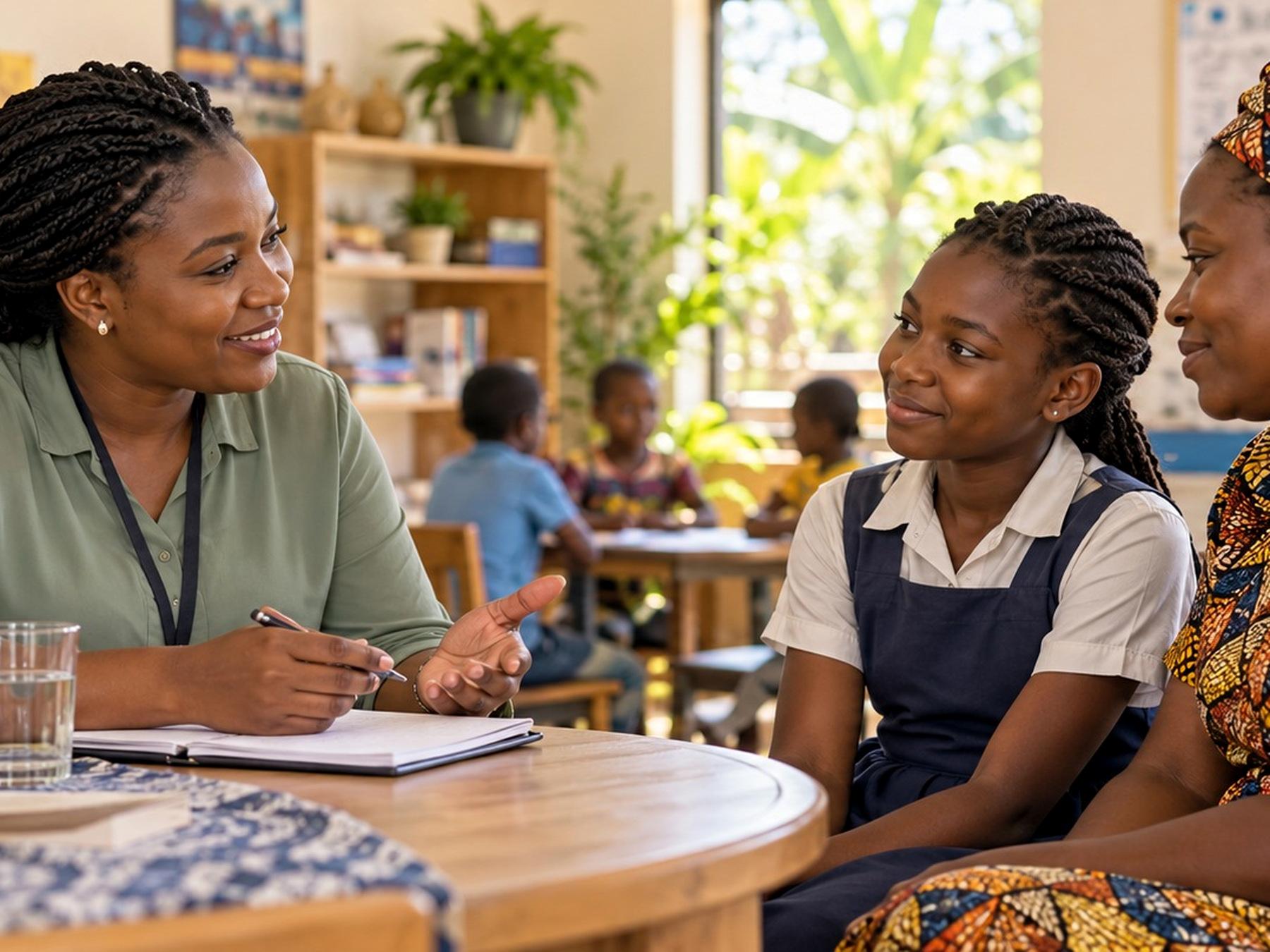
Our protection priorities
Dignity and care
Freedom from exploitation
Safety and choice
Equal protection for all
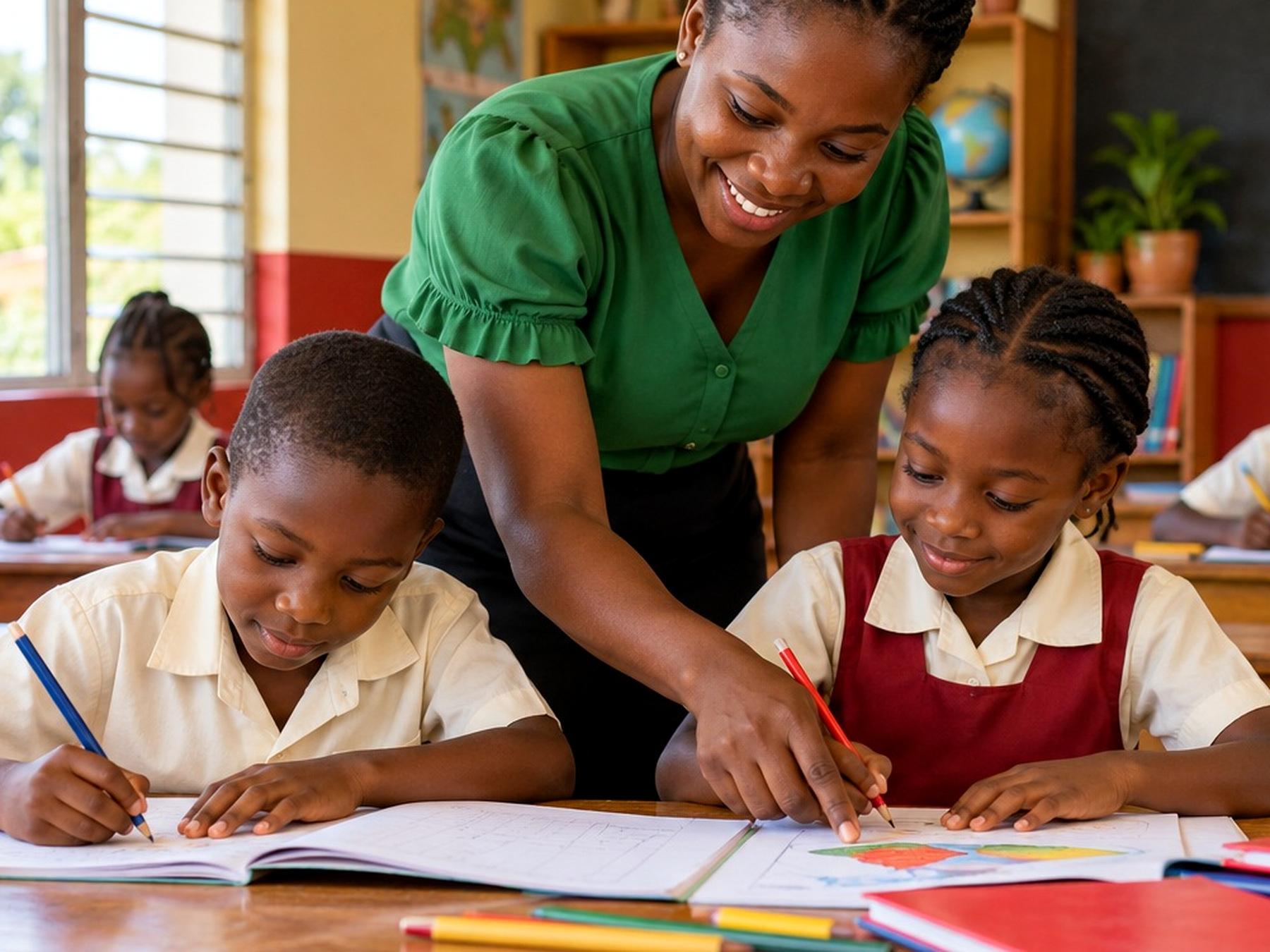
Protection and education reinforce one another: children need both freedom from harm and a chance to develop their potential.
Children do better when their days offer predictable routines, caring adults and inclusive places to learn. A safe classroom can also help identify hidden barriers such as hunger, disability, fear or irregular attendance.
Learning support, trusted adults, recreation, psychosocial reassurance and referrals to health or protection services can work together as part of a wider community response.
When children can learn without fear, they are better able to express themselves, build relationships and imagine a future beyond the difficulties they face.
Keeping children safe often means helping their caregivers overcome the practical pressures that put wellbeing at risk.
Following a sudden loss of household income, a caregiver struggles to provide school supplies and regular meals. Her daughter Amina begins missing classes and becomes increasingly withdrawn.
A community support worker listens to the family, identifies urgent needs and agrees a practical plan with the caregiver. Education support, family budgeting advice and links to local food services help restore a safer routine.
The intended outcome:
Amina can return to class with confidence while her caregiver gains stronger support networks and a clearer path to stability.
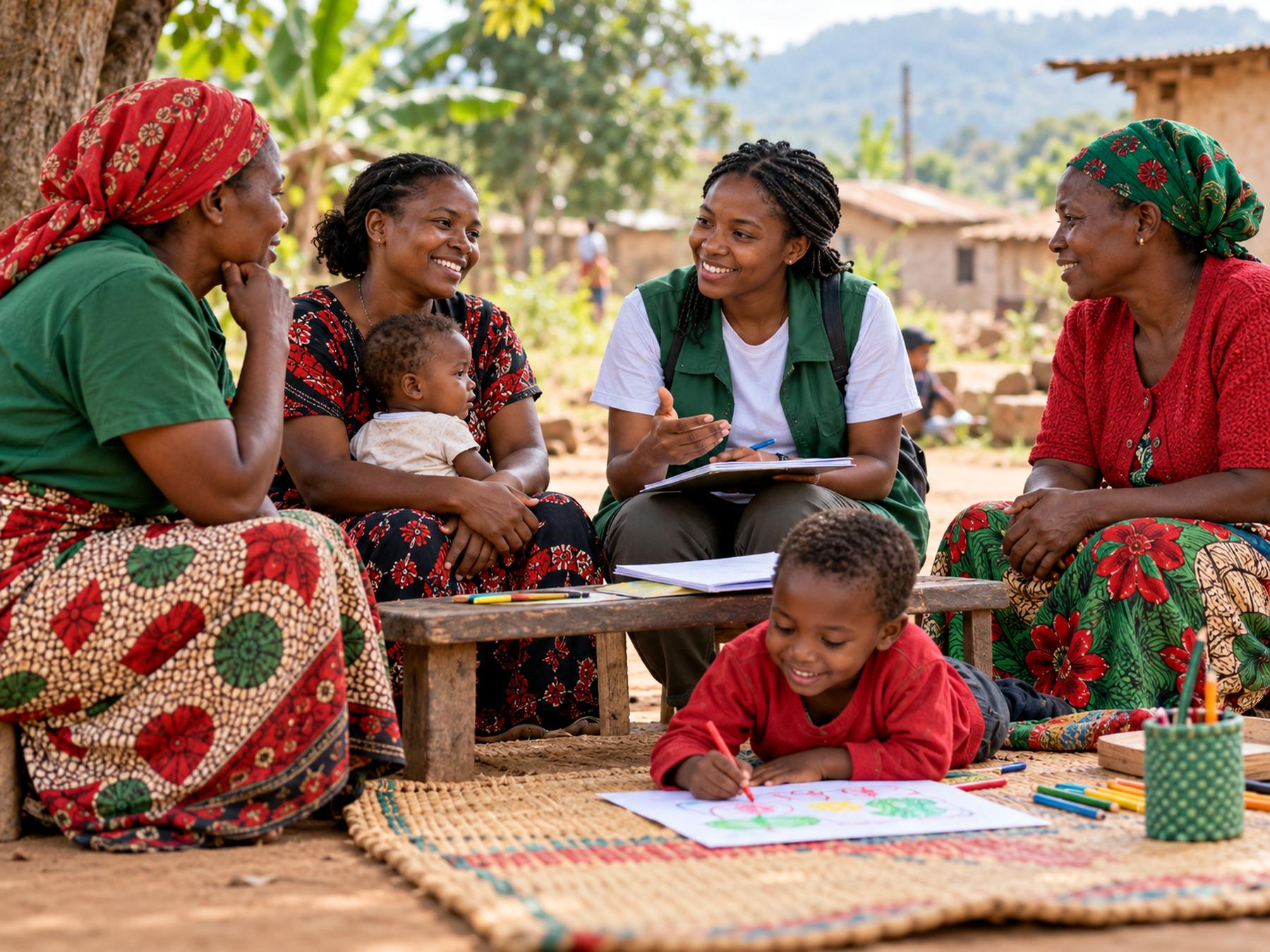
How family-focused protection works
Listen to family priorities and identify immediate protection needs.
Link families to existing education, health, food and livelihoods services.
Agree achievable steps and check whether children feel safer over time.
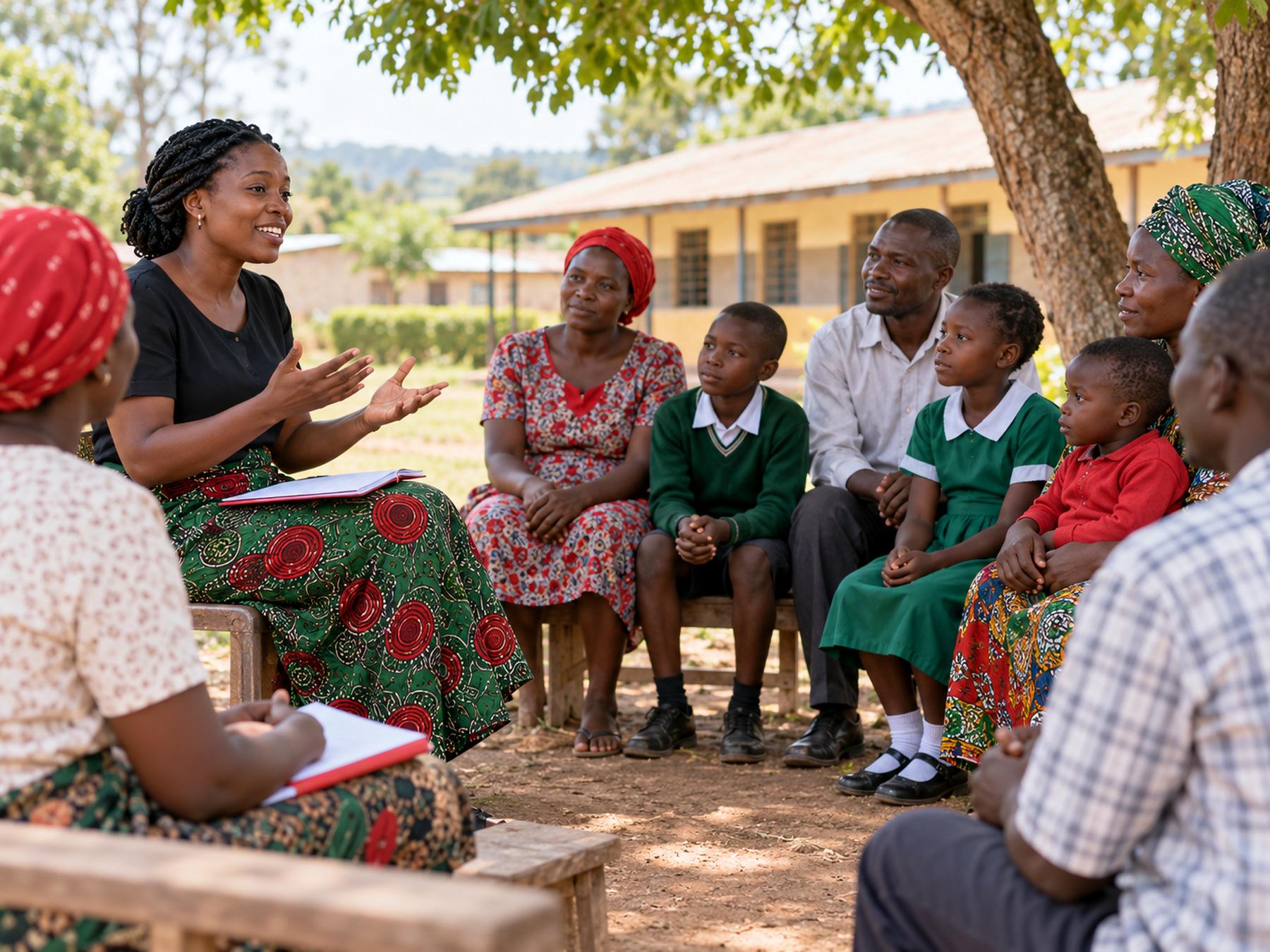
Sustainable safeguarding is built with people, not imposed on them. Local experience and child participation matter.
Children are safer when adults know the warning signs of exploitation and communities have trusted, confidential routes to ask for help. Prevention requires working with families, schools, health providers, local leaders and specialist services.
Start with children’s lived experiences; identify risk and act safely; bring in appropriate local partners; and review whether support remains effective.
Protection messages should never place responsibility for preventing abuse on children. Adults, organisations and authorities remain responsible for creating safe environments.
Access to schooling is more effective when protection, family support and practical follow-up are planned together.
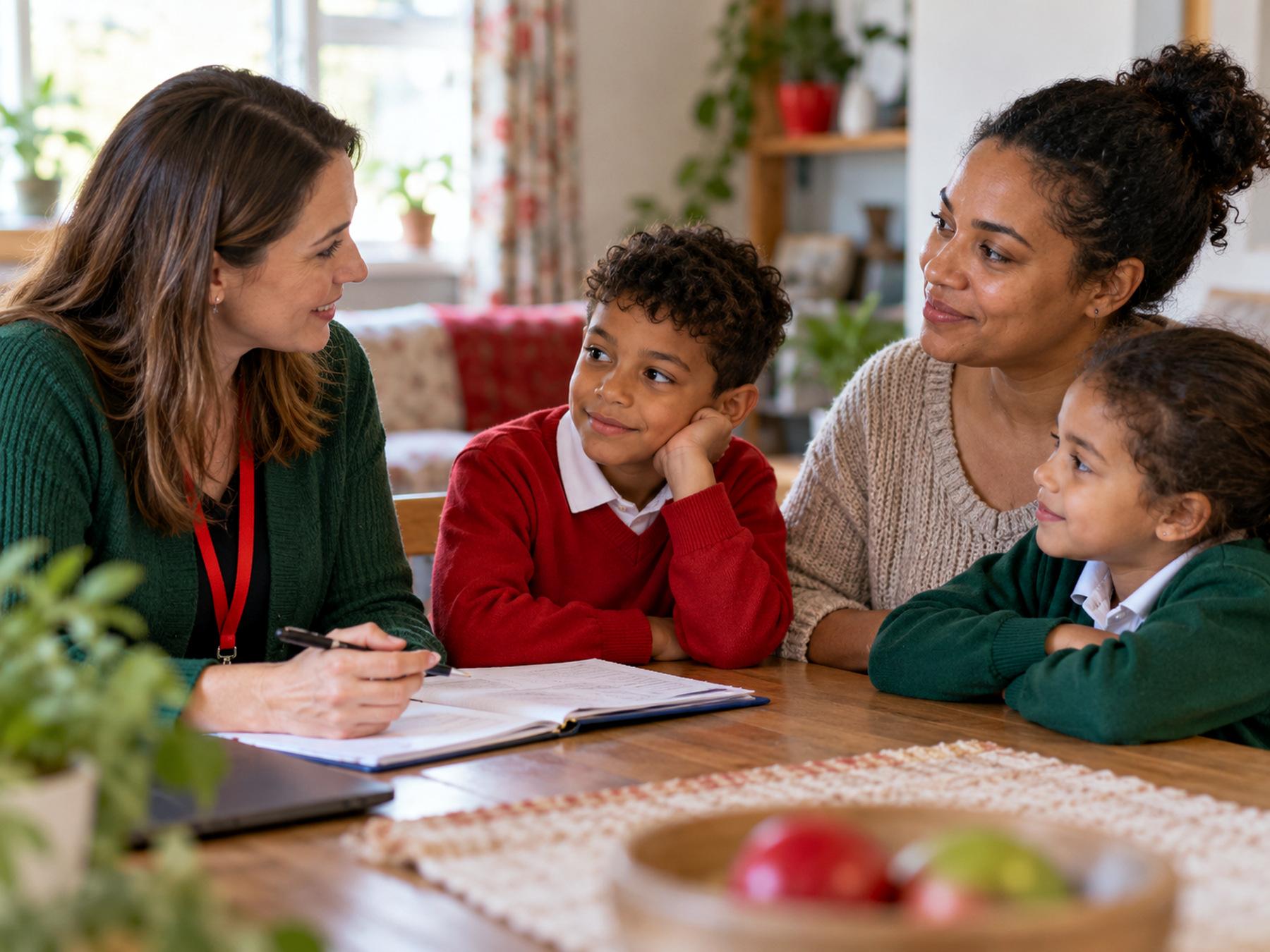
After repeated moves between relatives’ homes, ten-year-old Kojo misses school and loses confidence. His caregiver wants him back in education but is unsure how to navigate enrolment and obtain essential materials.
A local education partner helps the family understand enrolment options, checks for safeguarding concerns and agrees an attendance plan. A supportive teacher offers a predictable routine and follows up when Kojo is absent.
The intended outcome:
Kojo begins attending regularly, reconnects with friends and knows which trusted adult he can approach if he feels unsafe.
What should be monitored?
Child feels heard and knows how to raise a concern.
Enrolment, attendance and genuine engagement improve.
Caregiver can access help and maintain supportive routines.
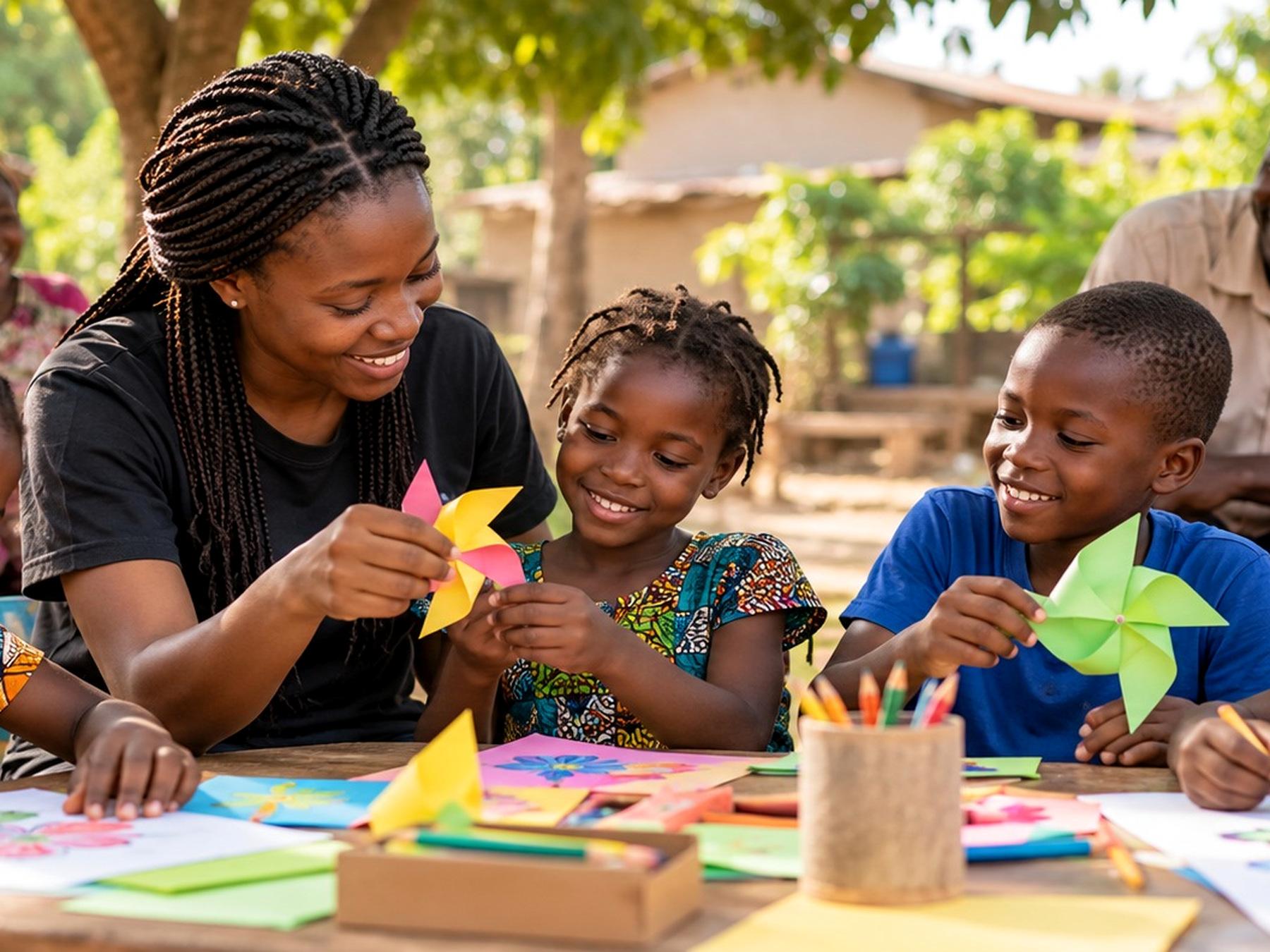
Displacement can interrupt school, support networks and everyday routines. Child-friendly responses should combine care, inclusion and appropriate protection referrals.
After displacement, eight-year-old Mariam is living with family members in an unfamiliar community. She avoids other children and feels frightened when separated from her caregiver.
A trained facilitator welcomes Mariam to an inclusive play-and-learning group. With caregiver consent and appropriate safeguards, she is offered consistent activities, a trusted adult to speak to and help accessing a local support service.
The intended outcome:
Mariam begins building friendships and confidence. Her family knows where to seek help and how to raise concerns.
Check supervision and consent arrangements; ensure safe access for every child; respond to distress without pressuring children to disclose; and refer high-risk concerns to appropriate specialists.
Scenario is fictional and illustrative of good practice; the accompanying photograph does not depict a named case-study child.
Every meaningful action can help build safer communities and stronger pathways to support.
The future we want is one where every child has trusted adults, opportunities to learn, support in difficult times and a genuine voice in decisions that affect them.
Choose how you will help
Give securely through the official Rescue Mission website.
Explore fundraising, advocacy and partnership opportunities.
Rescue Mission is a registered company limited by guarantee (Company No. 10413275) Registered Charity No. 1196944 (England & Wales) 20-22 Wenlock Road, London, N1 7GU, England, United Kingdom

