Family Support & Livelihoods

Helping households find stability today and build opportunities that last for generations.

OUR PURPOSE

Strong families. Greater choice. Brighter futures.

Every family deserves the opportunity to live with dignity, care for their children and plan confidently for tomorrow. Poverty can put pressure on all three.

Rescue Mission seeks to connect practical household support with relevant skills, income opportunities and trusted community partnerships.

SUPPORT  •  EQUIP  •  SUSTAIN

A stronger livelihood is not just a job or a grant. It is the ability to make choices, meet essential needs, respond to setbacks and help children thrive.

01 / HOUSEHOLD WELLBEING

Support families

Help families identify pressing concerns, access appropriate support and plan for stability.

02 / PRACTICAL OPPORTUNITY

Build skills & income

Create routes into vocational learning, enterprise readiness and sustainable work.

03 / LOCAL RESILIENCE

Strengthen communities

Work alongside local people so solutions reflect the places and people they serve.

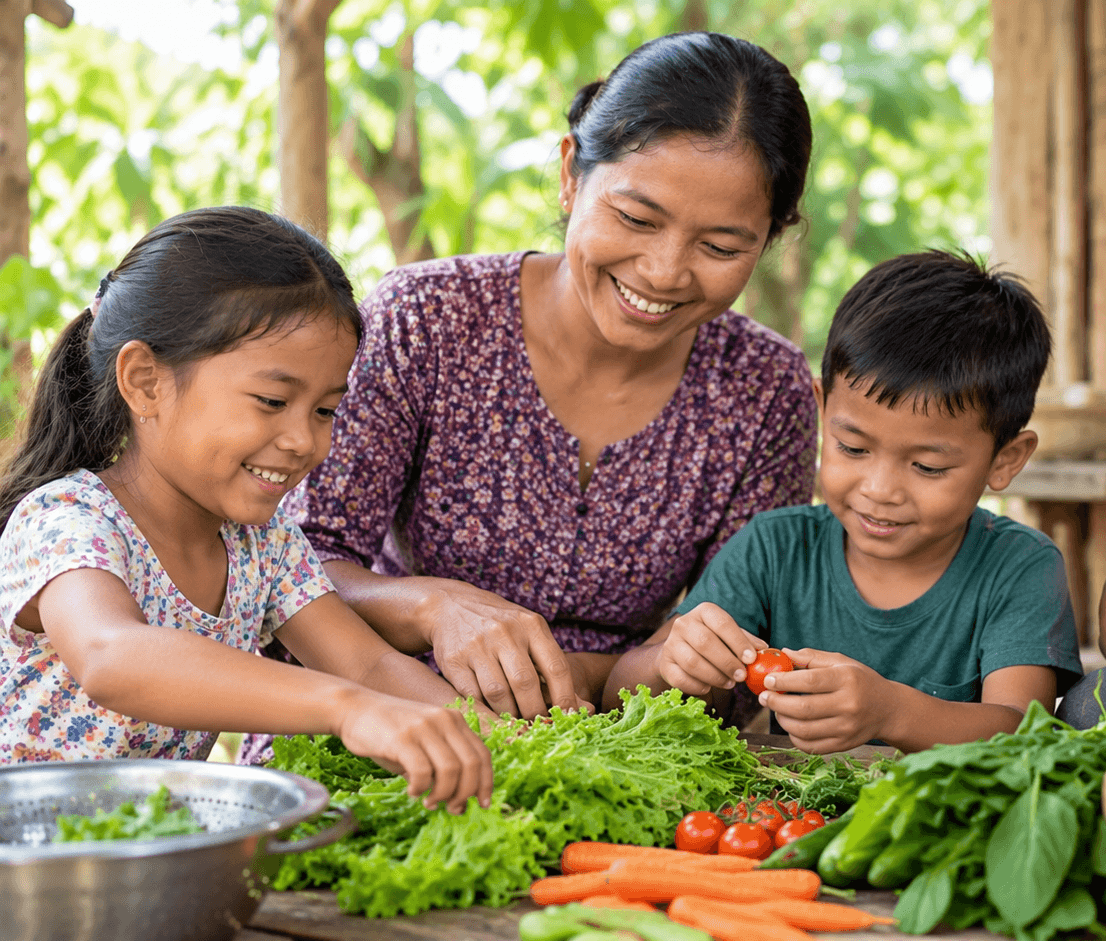
Family learning and caring relationships are part of household resilience.

When a family is secure, a child can thrive

Income, nutrition, safety and education are connected. An interruption in one area can affect the whole household.

THE FAMILY PERSPECTIVE

Small pressures can become major barriers.

Unpredictable income

When earnings change week to week, essential household costs become difficult to plan.

Interrupted learning

Transport, uniforms, books and competing needs can affect children’s school participation.

Limited choices

Care responsibilities, disability, isolation or a lack of local work may restrict earning options.

OUR RESPONSE CONNECTS FOUR IMPORTANT AREAS

STABILITY

Everyday essentials

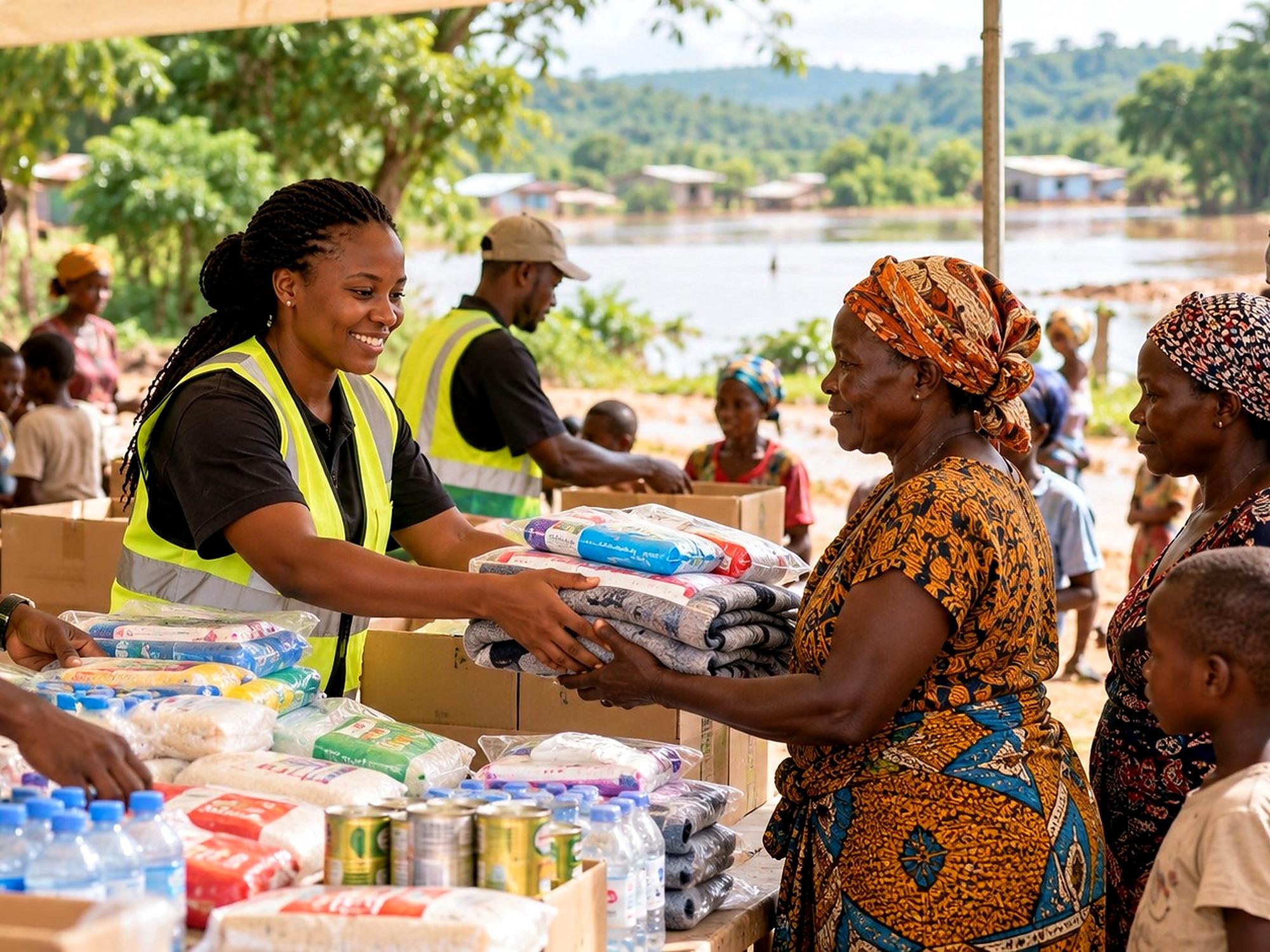
Respond to urgent practical concerns and signpost families to appropriate local help.

CAPABILITY

Learning & confidence

Support adaptable skills, coaching and financial awareness that can be used over time.

OPPORTUNITY

Pathways forward

Explore local markets, job readiness, livelihood tools and connections to services.

BELONGING

Networks & inclusion

Strengthen peer groups, caregiver participation and community problem-solving.

Families know their own circumstances. Our starting point is to listen, identify strengths, recognise barriers and agree practical steps that reflect each household’s priorities.

WHY IT MATTERS  •  A family-centred response should respect children’s rights, protect privacy and avoid creating unnecessary dependency. Support is tailored to need and local opportunity—not a one-size-fits-all package.

Practical pathways from learning to earning

Sustainable livelihoods grow when relevant skills are paired with market knowledge, mentoring and continued support.

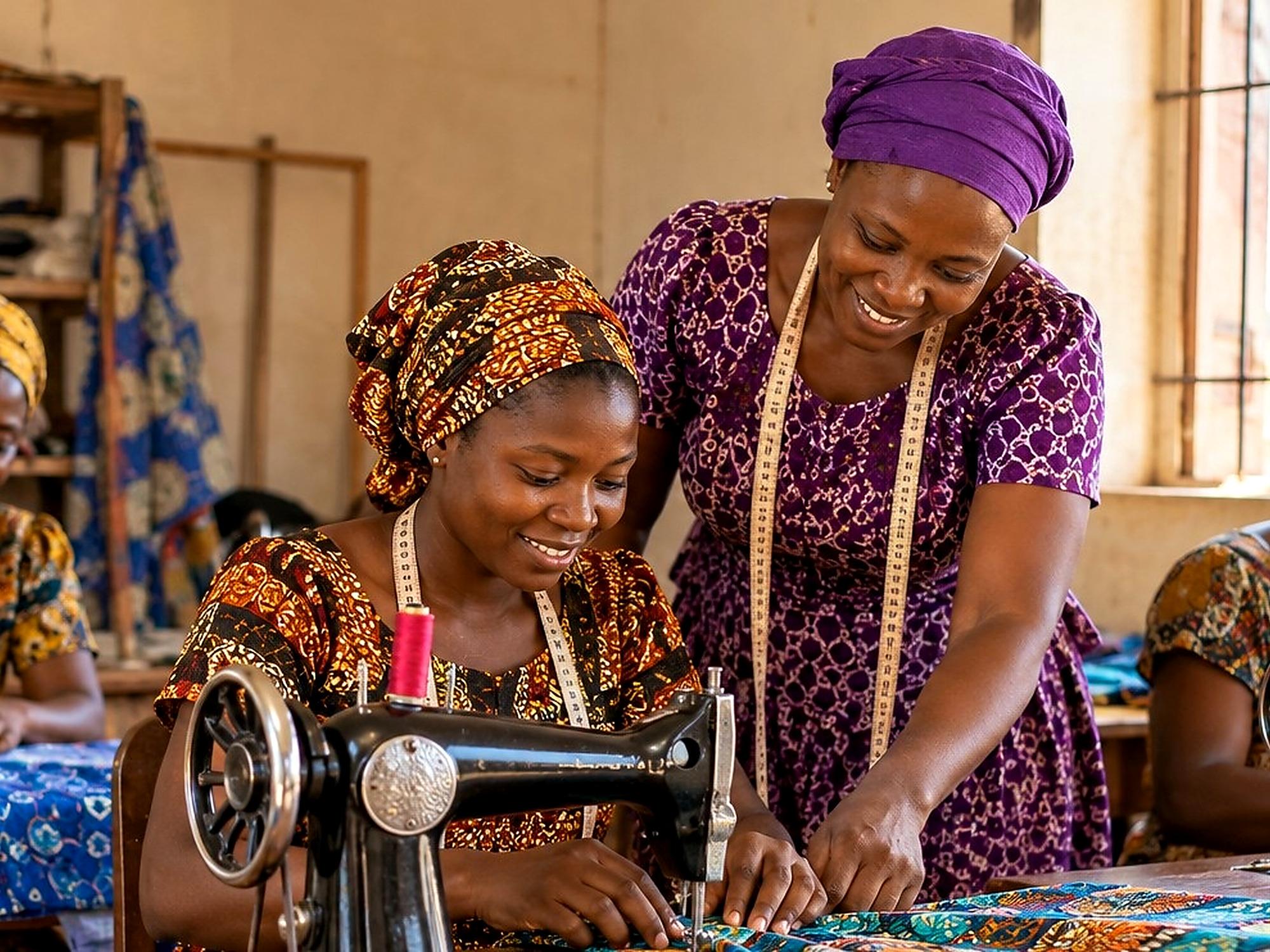
SKILLS & VOCATIONAL LEARNING

Confidence through capability

Locally useful skills may include tailoring, repair, food preparation, digital literacy and other practical trades. Learning works best when it responds to genuine opportunities, accessibility needs and participant interests.

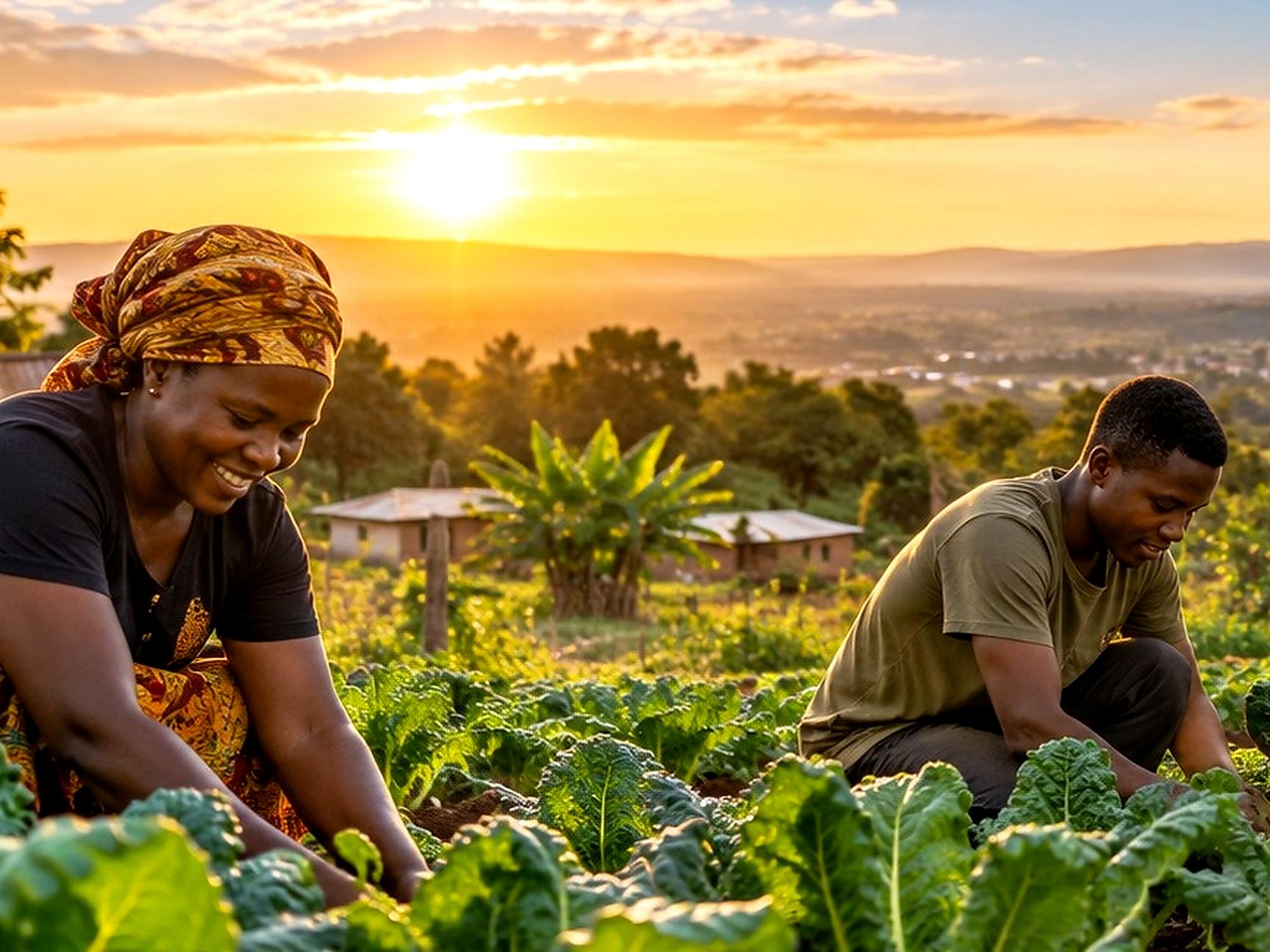
AGRICULTURE & MICROENTERPRISE

Turning effort into opportunity

For households engaged in small-scale farming or trading, practical advice, basic tools, savings discipline, mentorship and local connections can make livelihoods more resilient.

OUR RESPONSE CONNECTS FOUR IMPORTANT AREAS

01

Listen

Agree goals and recognise the skills a participant already brings.

02

Learn

Offer practical, safe, relevant training or signposting.

03

Apply

Explore practice, tools, placements or a small enterprise plan.

04

Connect

Build links to mentors, markets and peer networks.

05

Review

Check progress, remove barriers and adapt support.

Looking beyond income to family wellbeing

A secure livelihood has greater impact when children remain safe, healthy, supported and able to learn.

CHILDREN FIRST

When families feel supported, learning becomes more possible.

Changes in household income can influence school attendance, food choices, transport and access to basic healthcare. Family support should therefore recognise children’s needs alongside the goals of parents and caregivers.

Protection and inclusion

We consider safeguarding, disability inclusion, gender equity and safe referrals when planning appropriate support.

OUR RESPONSE CONNECTS FOUR IMPORTANT AREAS

CARE

Family guidance

Practical conversations about priorities, budgeting, family routines and routes to support.

HEALTH

Wellbeing awareness

Promote relevant nutrition, hygiene, maternal health awareness and service access.

LEARNING

Children’s opportunity

Support stable routines and help families identify barriers to school participation.

SAFETY

Safeguarding

Respect confidentiality, informed choices, reporting pathways and children’s welfare.

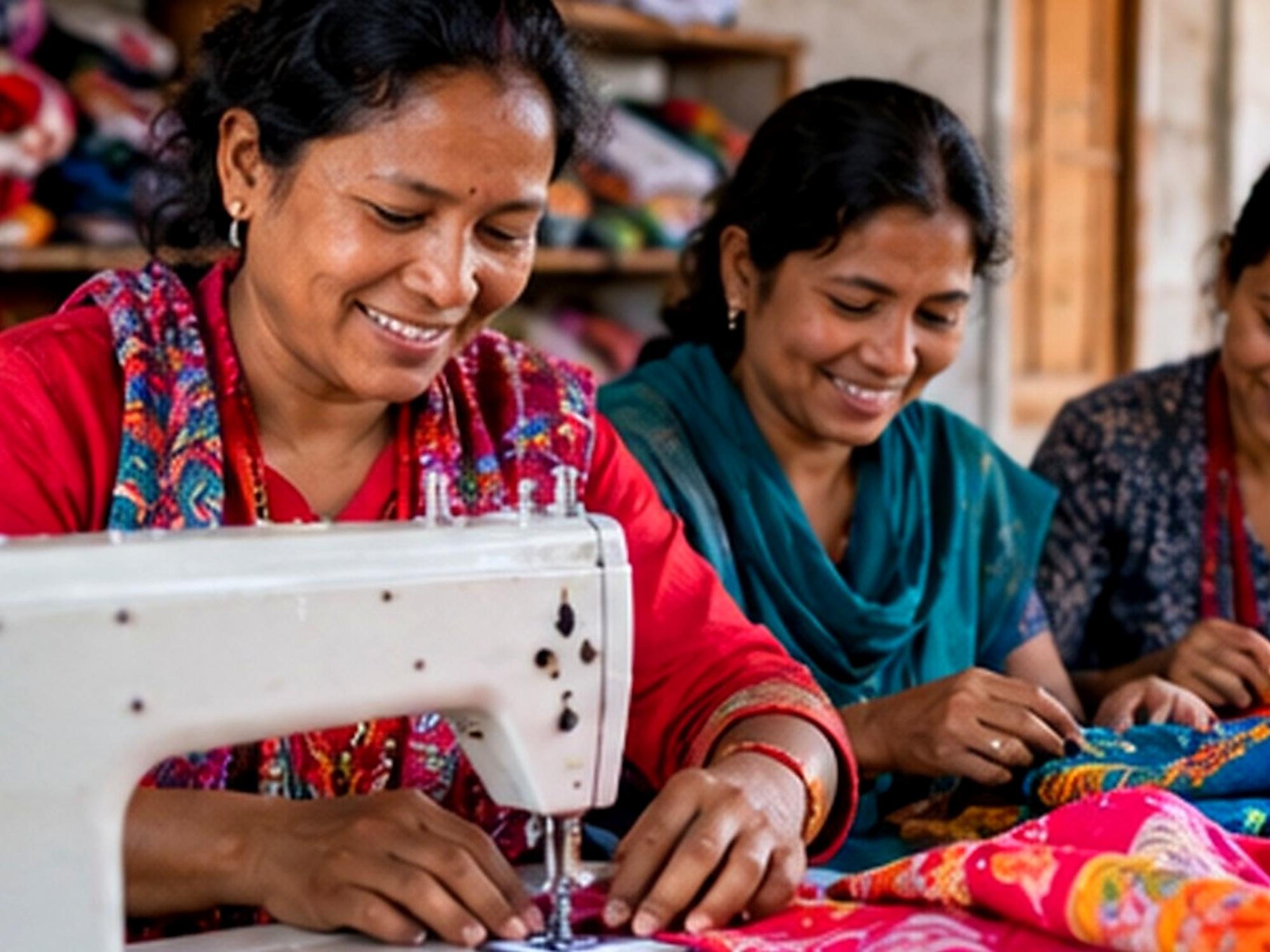
Representative image: vocational tailoring and peer learning.

A skill becomes a route to independence

The following is an illustrative scenario, not a verified Rescue Mission beneficiary story or a statement of achieved results.

A CAREGIVER’S LIVELIHOOD JOURNEY

From irregular work to a practical plan.

Starting point

A caregiver with two children relies on irregular earnings. School expenses and household bills are becoming harder to manage.

Practical response

An appropriate pathway could combine tailoring training, safe access to tools, basic pricing advice, mentoring and a local savings group.

Potential change

With time and suitable local demand, the caregiver may begin taking paid orders, track income more confidently and plan essential spending.

WHAT SUCCESS WOULD LOOK LIKE

INCOME

More consistency

Earnings are monitored over time rather than based on a single success story.

LEARNING

Continued attendance

Children are supported to remain engaged in learning and daily routines.

CONFIDENCE

Greater agency

The caregiver sets their own goals and knows where to seek advice when needs change.

This scenario demonstrates the value of linking livelihood support with realistic plans, childcare considerations, participant choice and follow-up—not promising that a short course alone will eliminate poverty.

Growing food, confidence and resilience

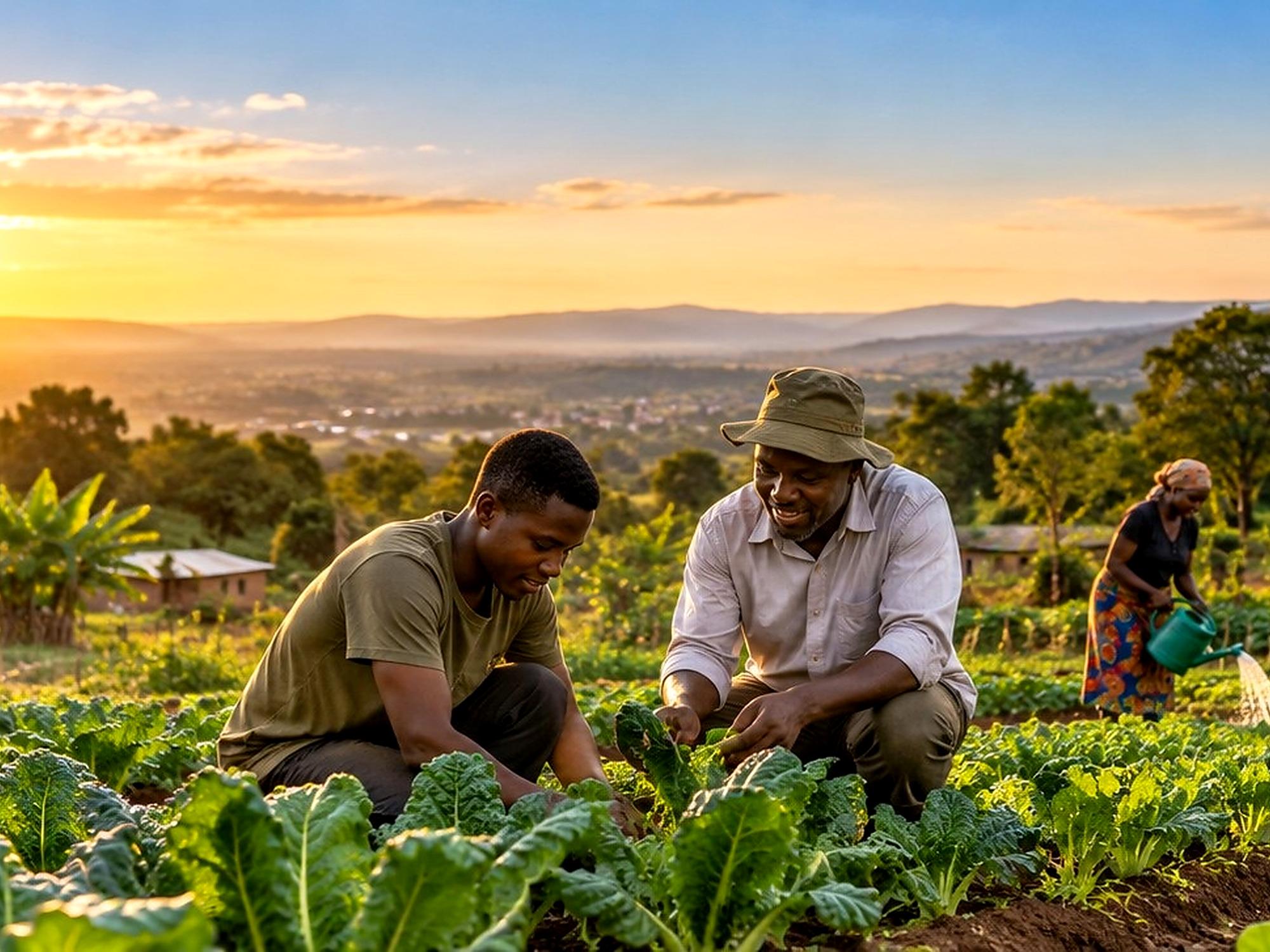
This example is an illustrative programme scenario, not an actual or independently verified beneficiary account.

A HOUSEHOLD FACING SEASONAL INSECURITY

Stronger plans begin with local knowledge.

Starting point

A smallholder household experiences fluctuating harvests and unpredictable food and transport costs. Limited savings increase vulnerability to setbacks.

Practical response

Working with suitable local experts, support might cover climate-aware growing practices, basic crop planning, financial skills, peer learning and appropriate market links.

Potential change

The family may improve planning for seasonal costs, diversify income sources and maintain steadier access to food when conditions permit.

THE RESILIENCE PRINCIPLE

01

Prepare

Understand seasonal risks and household priorities.

02

Equip

Match advice and resources to local realities.

03

Connect

Strengthen links with neighbours, advisers and buyers.

04

Adapt

Adjust activities to weather, costs and changing needs.

Agricultural livelihoods depend on weather, land access, markets and other factors beyond a single project’s control. Programmes should therefore be developed with community partners, use appropriate safeguards and avoid guarantees about income.

How change is built with communities

Our role is to work alongside families, local leaders and responsible partners—not to make decisions in their place.

OUR DELIVERY PRINCIPLES

Listen first

Understand aspirations, priorities, existing capabilities and practical barriers.

Plan together

Agree feasible goals with participants and community partners.

Safeguard dignity

Protect children and adults at risk, privacy and informed choice.

Review outcomes

Learn what is working, respond to feedback and avoid unsupported claims.

MEASURING PROGRESS RESPONSIBLY

PARTICIPATION

Who can take part?

Measure accessibility, inclusion, barriers and participant feedback.

CAPABILITY

What has been learned?

Record skills, confidence and practical steps completed.

HOUSEHOLD STABILITY

Is daily life improving?

Review relevant indicators such as planning, access to services and sustained activity.

ACCOUNTABILITY

What needs adapting?

Use concerns, partner learning and safe feedback to shape improvements.

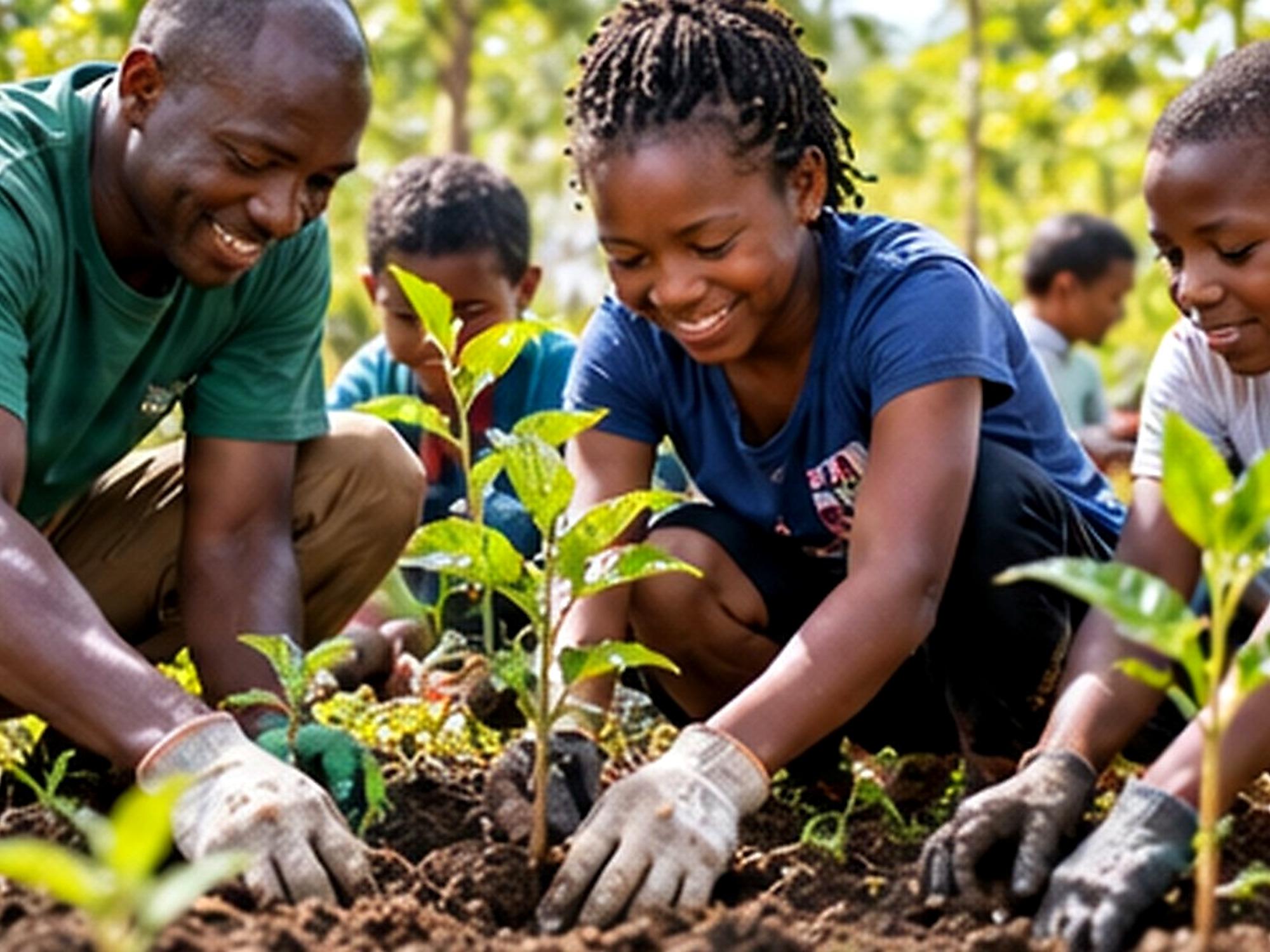
Any photography, testimonial or personal case study published on the live website should have appropriate rights, informed consent and safeguarding review. The images here are representative and do not document a specific Rescue Mission intervention.

Be part of a stronger future for families

There are practical ways for individuals, businesses, community groups and volunteers to contribute.

CHOOSE HOW TO MAKE A DIFFERENCE

DONATE NOW

Make a one-off or regular contribution towards Rescue Mission’s charitable priorities.

FUNDRAISE

Bring a workplace, faith group, club or school together around a purposeful appeal.

GET INVOLVED

Volunteer skills, introduce community contacts or support awareness and outreach.

PARTNER WITH US

Explore responsible opportunities for training, services, funding and local collaboration.

YOUR INVOLVEMENT CAN HELP OPEN DOORS

01

Give

Support the work through the official donations page.

02

Share

Help more people understand why livelihoods matter.

03

Connect

Introduce us to useful local networks or expertise.

04

Sustain

Consider ongoing support for long-term priorities.